



To ensure defined elegance, what are Pro Artist Portfolio’s best practices for image curation?

The Art of Selection: Defining Your Visual Narrative
For any professional artist, a portfolio is far more than just a collection of works; it’s a meticulously crafted statement of their artistic identity, skill, and vision. In an increasingly visual and competitive world, the elegance and impact of an artist’s portfolio hinge significantly on expert image curation. This process goes beyond simply showcasing your art; it’s about telling a story, demonstrating consistency, and leaving a lasting impression on gallerists, clients, and collaborators.

Prioritize Quality Over Quantity
One of the most common pitfalls artists face is including too many pieces. A truly elegant portfolio prioritizes quality over quantity. Instead of every piece you’ve ever created, select only your absolute best, most representative works. These should be pieces that not only demonstrate your technical prowess but also encapsulate your unique artistic voice and thematic interests. Each image must stand strong individually while contributing to the overall strength of the collection. Be ruthless in your editing; if a piece doesn’t elevate the entire portfolio, it doesn’t belong.
Cultivate Cohesion and a Unified Aesthetic
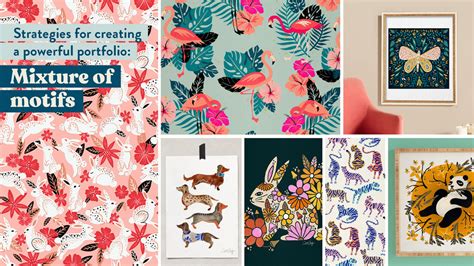
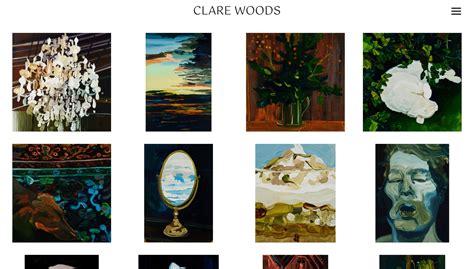
An elegant portfolio presents a cohesive body of work. This doesn’t necessarily mean every piece must be in the same style or medium, but there should be an underlying narrative, theme, or aesthetic thread that ties them together. Think about the flow from one image to the next. Does your selection demonstrate a clear evolution, a consistent exploration of a particular concept, or a mastery across a specific discipline? A well-curated portfolio guides the viewer through your artistic journey, making connections rather than presenting disparate works.

Master High-Quality Presentation
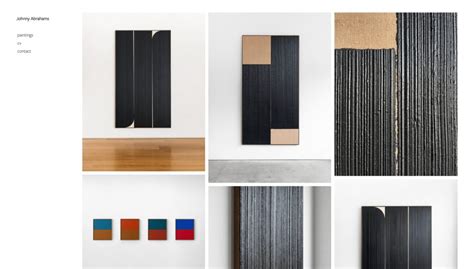
Even the most stunning artwork can be undermined by poor photographic representation. High-quality images are non-negotiable for a professional portfolio. This means ensuring proper lighting, sharp focus, accurate color representation, and high resolution. Invest in professional photography if necessary, or learn the best practices for photographing your own work. Backgrounds should be clean and unobtrusive, allowing the artwork to be the sole focus. Consistency in image size, formatting, and presentation style throughout the portfolio further enhances its professional elegance.

Curate for Your Target Audience
Understanding who you are trying to reach is paramount to effective image curation. Are you seeking gallery representation, commissions, teaching positions, or specific commercial projects? Tailor your portfolio to highlight the works most relevant to your goals and the interests of your intended audience. While a core set of your best work should always be present, don’t hesitate to create slightly different versions of your portfolio that emphasize different aspects of your practice for varying opportunities. This strategic approach demonstrates thoughtfulness and professionalism.

Regular Review and Refinement
Your artistic journey is dynamic, and so too should be your portfolio. Regularly review and refine your image selection. As your skills evolve, your artistic voice matures, and new opportunities arise, your “best” work will change. Set aside time periodically to assess your portfolio with fresh eyes, perhaps even seeking feedback from trusted peers or mentors. Removing older, less relevant pieces and integrating new, stronger works ensures your portfolio remains a current, compelling, and elegant representation of your artistic capabilities.
Conclusion: The Lasting Impression of Intentional Curation
The quest for defined elegance in a pro artist portfolio culminates in intentional image curation. By being selective, fostering cohesion, ensuring impeccable presentation, understanding your audience, and committing to ongoing refinement, artists can craft a portfolio that not only showcases their talent but also articulates their unique vision with professionalism and impact. This thoughtful approach transforms a simple collection of art into a powerful tool for career advancement and artistic expression.