



What curation strategies enhance Pro Artist Portfolio elegance to captivate discerning clients?
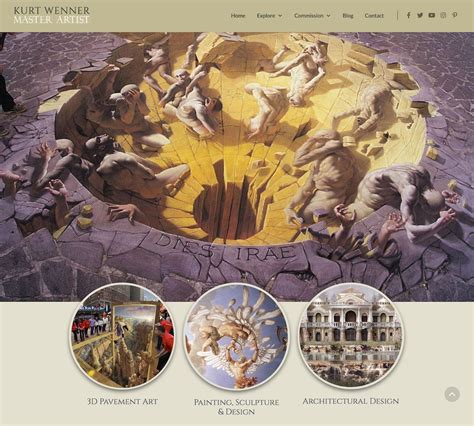
The Art of Refinement: Crafting an Irresistible Portfolio
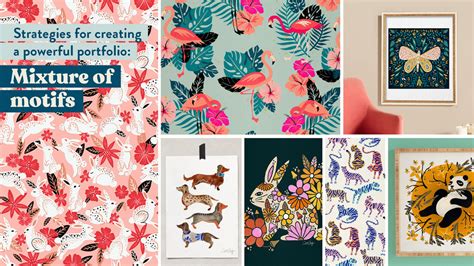
For professional artists, a portfolio is far more than a collection of works; it’s a meticulously curated narrative, a strategic window into their unique vision and skill. Discerning clients – those who value artistic excellence and are willing to invest in it – demand not just talent, but also a sophisticated presentation that speaks volumes about an artist’s professionalism and aesthetic judgment. Enhancing portfolio elegance isn’t about adding superficial glitter; it’s about intelligent selection, thoughtful arrangement, and a deep understanding of what truly resonates with a sophisticated audience.

Quality Over Quantity: The Foundation of Elegance
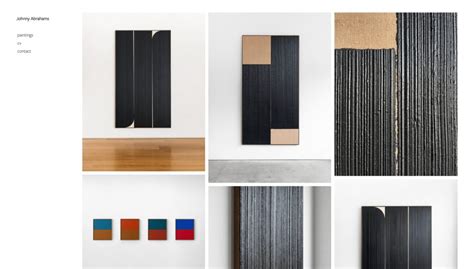
The cardinal rule for captivating discerning clients is ruthless selection. Every piece included in your portfolio must be exemplary, representing your absolute best work. Avoid the temptation to include every project you’ve ever completed. Instead, focus on a cohesive collection that demonstrates mastery, consistency, and a distinctive artistic voice. Clients are looking for evidence of skill and originality, not an exhaustive inventory. Prioritize depth over breadth, showcasing a refined aesthetic and technical prowess that leaves no doubt about your capabilities.
Consider the narrative arc of your portfolio. Does it tell a story about your artistic evolution or specialization? Ensure that the works flow together logically, creating a harmonious viewing experience that highlights your artistic range while maintaining a strong sense of identity. This precision in selection communicates confidence and a clear artistic direction.
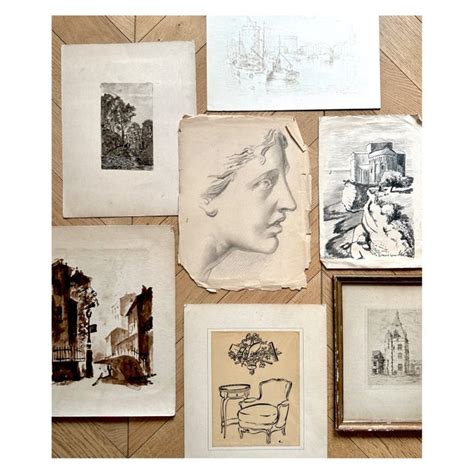
Tailoring for Impact: Speaking Directly to Your Audience
Elegance in a portfolio is also about relevance. A generic portfolio, however beautiful, may miss the mark with a specific high-value client. Research is key. Understand the client’s aesthetic preferences, their brand, or the specific project they are commissioning. Then, strategically select pieces from your body of work that directly align with their needs and interests. This bespoke approach demonstrates thoughtfulness and a genuine understanding of their vision, making your portfolio feel personalized and exceptionally compelling.
If you work across multiple styles or mediums, consider creating specialized sub-portfolios or sections within your main portfolio. This allows you to present a focused selection of work that is highly pertinent to a potential client’s specific requirements, showcasing your versatility without overwhelming them with irrelevant pieces. The goal is to make it effortless for them to see how your art fits perfectly into their world.
![Free Printable Client Intake Form Templates [Word, PDF, Excel] Example](/images/aHR0cHM6Ly90czIubW0uYmluZy5uZXQvdGg/aWQ9T0lQLlg5OURkTXJNZE0tX1VWRzR4V0xTQmdIYUpsJnBpZD0xNS4x.webp)
Professional Presentation: Beyond the Art Itself
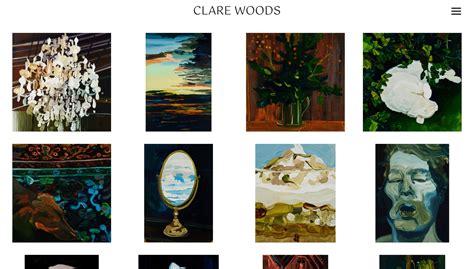
The physical or digital presentation of your portfolio is as critical as the art it contains. High-resolution images, consistent lighting, and accurate color representation are non-negotiable. For digital portfolios, ensure a clean, intuitive user interface on your website or platform. Easy navigation, fast loading times, and mobile responsiveness contribute significantly to a professional and elegant viewing experience. Each artwork should be accompanied by concise, informative descriptions, including title, medium, dimensions, and perhaps a brief conceptual statement that adds depth without being overly verbose.
Physical portfolios demand impeccable craftsmanship – high-quality printing, thoughtful layout, and durable materials. Whether digital or physical, consistency in branding elements like fonts, colors, and logos reinforces a cohesive and professional identity. Attention to these details signals a serious commitment to your craft and respect for your client’s time and aesthetic sensibilities.

The Power of Narrative and Strategic Editing
Beyond individual pieces, an elegant portfolio tells a story. It communicates your artistic philosophy, your process, and your journey. This narrative element can be subtle, woven through the selection and arrangement of works, or more explicit through an artist statement that resonates with authenticity and passion. Allow your portfolio to speak to your unique perspective and what drives your creative practice.
Finally, continuous strategic editing is vital. Your portfolio is a living document that should evolve with your artistic practice. Regularly review your work, removing older pieces that no longer represent your current skill level or artistic direction, and incorporating new, stronger works. Seek feedback from trusted peers or mentors to gain an objective perspective. An elegantly curated portfolio is never truly “finished” but is perpetually refined to reflect the peak of your artistic expression.

Conclusion: Curation as a Strategic Art Form
Ultimately, enhancing the elegance of a professional artist’s portfolio is a strategic art form in itself. It requires a discerning eye, a deep understanding of your target audience, and an unwavering commitment to presenting your work with the highest degree of professionalism and refinement. By prioritizing quality over quantity, tailoring your presentation, maintaining impeccable standards, and continuously refining your narrative, artists can create a portfolio that not only showcases their talent but also captivates, impresses, and secures the most discerning clients.