



What curation strategy best enhances Pro Artist Portfolio elegance to attract discerning collectors?

The Art of Strategic Portfolio Curation
For professional artists, a portfolio is far more than a mere collection of works; it is a meticulously crafted narrative, a silent testament to skill, vision, and artistic journey. Attracting discerning collectors requires an approach that transcends simple display, elevating the portfolio to an elegant, coherent experience designed to captivate and convince. The key lies in strategic curation, a thoughtful process that sifts, refines, and presents your art in its most impactful form.
1. Intentional Selection: Quality Over Quantity
The first principle of an elegant portfolio is ruthless selection. Discerning collectors are not impressed by sheer volume, but by consistent excellence. Focus on showcasing your strongest, most representative pieces that align with your current artistic direction. Every piece included should speak to a cohesive theme, a particular skill, or a significant period of development. Avoid including experimental pieces or works that deviate too much from your core aesthetic, as this can dilute your artistic identity.
Ensure that the selected works demonstrate mastery in technique, depth in concept, and a unique artistic voice. A tightly curated selection conveys confidence and a clear artistic vision, signalling to collectors that they are engaging with a serious, professional artist.
2. Crafting a Compelling Visual Narrative
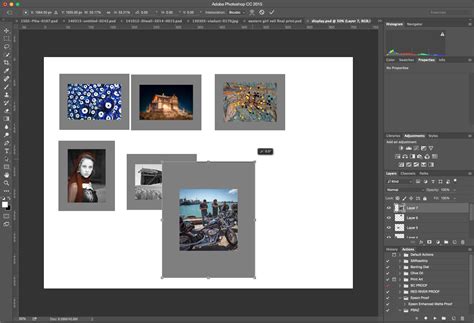
An elegant portfolio tells a story. The arrangement of your artworks should guide the viewer through your artistic world, revealing connections, progressions, and underlying themes. Think about how one piece leads to the next, creating a visual flow that is both logical and aesthetically pleasing. This narrative can highlight the evolution of a series, explore variations on a single concept, or demonstrate your versatility within a defined style.
Support your visual narrative with concise, professional artist statements and individual artwork descriptions. These should provide context, articulate your intentions, and offer insights without over-explaining. The goal is to enhance the viewer’s understanding and appreciation, not to dictate their interpretation.
3. Mastering Presentation and Professionalism
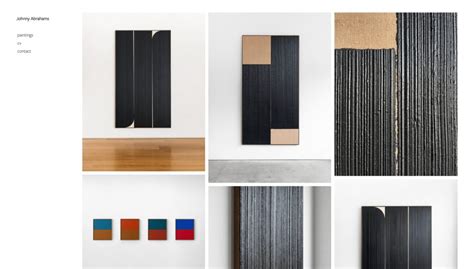
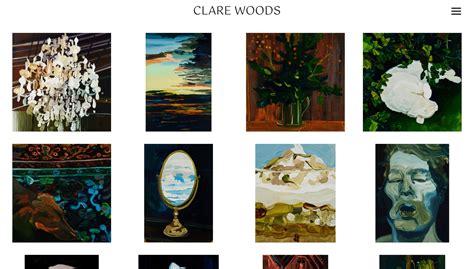
The elegance of your portfolio is significantly influenced by its presentation. High-resolution, professionally lit photography of your artwork is non-negotiable. Ensure consistent lighting, neutral backgrounds, and accurate color representation for all images. Poor quality images can severely detract from even the most exquisite artwork.
For digital portfolios, choose a clean, intuitive, and mobile-responsive website or platform. Navigation should be seamless, allowing collectors to explore your work effortlessly. For physical portfolios, invest in high-quality prints and a sophisticated binder or display case. Every detail, from font choices to paper quality, contributes to the overall impression of professionalism and elegance.

4. Tailoring to the Discerning Eye
Understanding your target collector is paramount. Discerning collectors often have specific interests, whether it’s a particular genre, medium, or investment potential. While maintaining your artistic integrity, consider tailoring your portfolio for different opportunities. For example, a portfolio submitted to a gallery specializing in abstract expressionism might differ slightly from one presented to a private collector interested in portraiture.
Research the collectors or institutions you wish to attract and curate your portfolio to subtly align with their aesthetic or acquisition focus. This doesn’t mean compromising your vision, but rather highlighting the aspects of your work that resonate most strongly with their preferences.

5. Continuous Refinement and Evolution
An elegant portfolio is not a static entity; it is a living document that evolves with your artistic practice. Regularly review your portfolio, perhaps annually or after completing a significant body of work. Be prepared to remove older pieces as newer, stronger works emerge. This ongoing refinement ensures that your portfolio always reflects your current artistic pinnacle.
Seek constructive feedback from trusted peers, mentors, or gallerists. An outside perspective can offer valuable insights into how your work is perceived and identify areas where your curation could be strengthened. Embrace this iterative process as a crucial component of maintaining an appealing and relevant portfolio.

Conclusion: The Art of Presenting Art
Ultimately, enhancing your pro artist portfolio’s elegance to attract discerning collectors is an art in itself. It demands a meticulous eye for detail, a deep understanding of your artistic identity, and a strategic approach to presentation. By intentionally selecting your finest works, crafting a compelling visual narrative, ensuring impeccable presentation, tailoring your approach to your audience, and continuously refining your collection, you transform your portfolio into an irresistible invitation for collectors to invest in your unique artistic vision.