



What curation strategy defines elegance and enhances an artist’s portfolio for discerning clients?

The Art of Refined Presentation: Defining Elegance in Your Portfolio
For artists targeting discerning clients—collectors, galleries, and high-end patrons—a portfolio isn’t merely a collection of work; it’s a meticulously crafted narrative, a statement of artistic intent and professionalism. Elegance in this context isn’t just about aesthetics; it’s about intentionality, quality, and the sophisticated presentation of your unique artistic voice. A well-curated portfolio doesn’t just display art; it embodies your brand and communicates your value proposition.
Defining elegance in an artist’s portfolio moves beyond superficial beauty. It encompasses clarity, coherence, and a profound respect for the viewer’s experience. It’s about showcasing mastery with restraint, allowing the inherent power of your best work to shine without distraction. For discerning clients, elegance signifies confidence, professionalism, and a serious commitment to your craft, ultimately enhancing the perceived value of your art.
Strategy 1: Ruthless Selectivity and Focused Impact
The cornerstone of elegant curation is unwavering selectivity. Less is unequivocally more when appealing to a high-caliber audience. Instead of presenting every piece you’ve ever created, focus on a concise collection of your absolute strongest, most representative works. Each piece chosen should not only demonstrate your technical skill but also resonate with your artistic vision and the specific tastes of your target client base. Eliminate anything that doesn’t elevate the overall impression or feels inconsistent with your current direction.
Think critically: Which pieces best exemplify your signature style, your highest level of accomplishment, and the emotional or conceptual depth you wish to convey? A portfolio of 10-15 exceptional pieces often makes a far greater impact than one with 50 good-to-average works. This focused approach demonstrates discipline and a clear understanding of your artistic identity.

Strategy 2: Cohesion and Narrative Flow
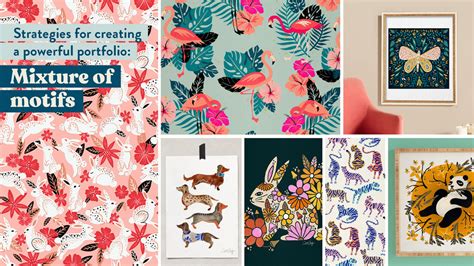
An elegant portfolio tells a story. It has a beginning, a middle, and an end, even if subtly conveyed. This doesn’t necessarily mean presenting works in chronological order, but rather arranging them in a way that creates a coherent visual and conceptual journey. Group works by series, theme, medium, or period to illustrate a development or a consistent artistic exploration.
Discerning clients appreciate an artist who can articulate their vision and demonstrate a consistent artistic voice. When pieces speak to each other, they build a stronger collective impact. Consider how each piece relates to the next and to the overall collection, ensuring a harmonious flow that reinforces your artistic statement rather than fragmenting it. This narrative cohesion elevates the portfolio from a mere gallery of images to a thoughtful artistic statement.

Strategy 3: Impeccable Presentation and Professional Detail
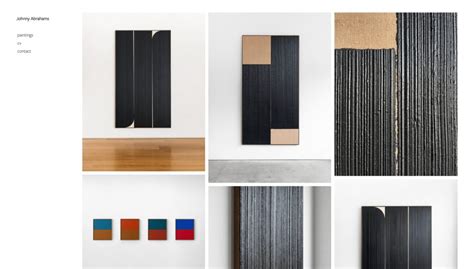
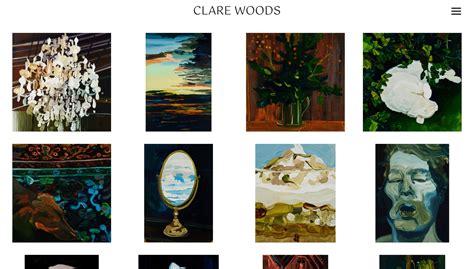
The manner in which your art is presented is as crucial as the art itself. For online portfolios, this means high-resolution, professionally photographed images that accurately represent the color, texture, and scale of your work. Ensure consistent lighting and backgrounds, and avoid distracting elements. For physical portfolios, use museum-quality prints or original works, presented in archival sleeves or frames.
Beyond the visuals, pay attention to supporting details. Concise, well-written artist statements and artwork descriptions (title, medium, dimensions, year) are essential. Avoid jargon and focus on clarity and impact. An elegant presentation also extends to the portfolio’s platform itself—whether it’s a sleek website, a custom-designed book, or a professional PDF. Every element should exude professionalism and attention to detail, signaling to discerning clients that you value your work and respect their time.
Strategy 4: Understanding and Tailoring to Your Discerning Audience
Elegance in curation is also about understanding your audience. Discerning clients are often sophisticated individuals with specific tastes and expectations. Research the galleries you’re approaching, the collectors you admire, or the art consultants you hope to work with. What kind of art do they typically represent or collect? What values do they seem to prioritize?
While maintaining your authentic voice, subtly tailor your portfolio to resonate with the specific client you are targeting. This might involve emphasizing certain series, highlighting particular themes, or adjusting the order of presentation. A bespoke approach demonstrates thoughtfulness and a genuine interest in forming a meaningful connection, distinguishing you from artists who present a generic, one-size-fits-all portfolio. This strategic alignment enhances the perceived relevance and desirability of your work.
The Undeniable Impact on Discerning Clients
An elegantly curated portfolio is more than just an impressive display; it’s a powerful tool for building trust and establishing credibility. Discerning clients are not just buying art; they are investing in an artist’s vision, professionalism, and potential. A portfolio that exudes elegance signals that you are a serious artist, dedicated to excellence in every aspect of your practice.
This strategic approach elevates the conversation from mere aesthetics to a deeper appreciation of your artistic journey and professional integrity. It fosters a sense of confidence in the client, assuring them that their investment will be well-placed. Ultimately, an elegantly curated portfolio doesn’t just open doors; it invites discerning clients to step into your artistic world, enhancing your reputation and solidifying your position in the professional art market.