



What curation tips define an elegant, impactful Pro Artist Portfolio?
Professional artists understand that a portfolio is far more than just a collection of their work; it’s a strategic marketing tool, a visual resume, and a statement of their artistic identity. Crafting an elegant and impactful portfolio requires thoughtful curation, an eye for detail, and a deep understanding of who you are trying to reach. It’s about presenting your best self in a way that commands attention and communicates your unique vision.
1. The Power of Precision: Less is More
One of the most crucial principles of an elegant portfolio is selective editing. Resist the urge to include every piece you’ve ever created. Instead, focus on quality over quantity. Choose only your strongest, most resolved works – those that best represent your current style, skill, and artistic direction. A portfolio with 10 stellar pieces is far more impactful than one with 50 mediocre ones. Each piece should be purposeful and contribute to the overall narrative of your artistic practice.

2. Crafting Your Narrative: Consistency and Brand
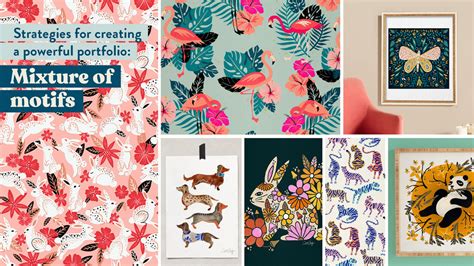
Your portfolio should tell a cohesive story. This means showcasing a consistent aesthetic, thematic approach, or technical expertise. While it’s good to demonstrate versatility, ensure there’s an underlying thread that ties your work together, defining your unique artistic voice. Think about your personal brand – what feeling or message do you want to convey? Every piece, and the way it’s presented, should reinforce this brand identity, making your portfolio instantly recognizable and memorable.
Highlighting Your Unique Voice
An elegant portfolio doesn’t just show what you can do; it reveals who you are as an artist. What makes your work unique? What stories do you tell? What techniques do you master? Ensure that the selection clearly communicates your distinct vision and artistic philosophy. This authenticity is what truly resonates with gallerists, clients, or collectors.

3. Understanding Your Audience and Goals
Before curating, consider who your portfolio is for and what you want to achieve. Are you seeking gallery representation, commissions, teaching positions, or residencies? Different goals require different approaches. A portfolio tailored for a contemporary art gallery might emphasize conceptual depth, while one for commercial illustration would focus on client-ready work and adaptability. Research your target audience thoroughly and select pieces that align with their expectations and needs.
Tailoring for Specific Opportunities
If you’re applying for a specific opportunity, it’s often wise to create a custom selection of works. This doesn’t mean creating new art, but rather selecting from your existing body of work those pieces that are most relevant to that particular call or institution. This demonstrates professionalism and a keen understanding of the opportunity at hand.
4. Flawless Presentation: Quality and Usability
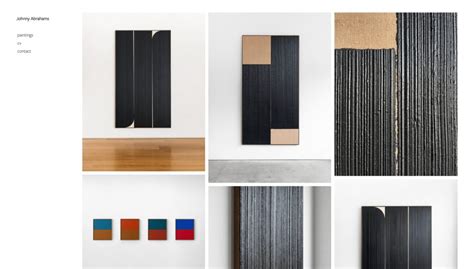
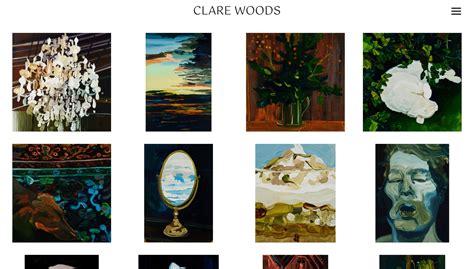
The impact of your work can be diminished by poor presentation. High-resolution, professional-quality photographs of your artwork are non-negotiable. If your work is 3D, consider multiple angles or detail shots. For digital work, ensure perfect screen resolution and color accuracy. Your portfolio platform – be it a website, PDF, or physical book – must be clean, intuitive, and easy to navigate. Include clear contact information, a concise artist statement, and brief, informative captions for each piece, providing context without overwhelming the viewer.
Digital vs. Physical Presentation
While a strong online presence is paramount in today’s digital age, don’t underestimate the impact of a well-designed physical portfolio for certain in-person meetings. Both should reflect the same high standards of quality and attention to detail.

5. The Art of Continuous Refinement and Feedback
An elegant portfolio is not a static entity; it’s a living document that evolves with your artistic practice. Regularly review and update your portfolio to reflect your most recent achievements and current direction. Seek feedback from trusted peers, mentors, or industry professionals. A fresh pair of eyes can often spot areas for improvement or highlight strengths you might overlook. This iterative process of refining and updating ensures your portfolio remains impactful and relevant throughout your career.

In conclusion, an elegant and impactful pro artist portfolio is a carefully constructed presentation of your artistic journey and potential. By adhering to principles of selective curation, narrative consistency, audience awareness, impeccable presentation, and continuous refinement, you can create a portfolio that not only showcases your art but also effectively communicates your professional value and unique vision.