


What curriculum elements make a makeup workshop truly enhance artistry & define individual elegance?
Beyond Basic Application: The Core of a Transformative Makeup Workshop
In a world saturated with beauty tutorials, what truly distinguishes a professional makeup workshop that promises to enhance artistry and define individual elegance? It’s far more than just demonstrating techniques; it’s about a meticulously crafted curriculum that delves deep into the ‘why’ behind the ‘how,’ fostering a profound understanding of beauty, form, and personal expression. A truly impactful workshop empowers individuals not just to mimic looks, but to create, adapt, and innovate, revealing the unique beauty within each person.
Foundational Mastery: Building a Strong Artistic Base
The bedrock of any exceptional makeup artistry lies in an unshakeable understanding of fundamentals. A superior workshop begins by reinforcing these crucial elements. This includes in-depth lessons on skin preparation, understanding different skin types, and mastering the art of creating a flawless canvas. Crucially, extensive training in color theory – how colors interact, complement, and correct – is paramount. Participants must learn to analyze face shapes, bone structures, and individual features to customize applications, rather than applying a one-size-fits-all approach.
Furthermore, attention to hygiene, tool selection, and product knowledge forms an indispensable part of this foundation. Knowing how to properly care for brushes, sanitize equipment, and understand ingredient lists ensures both safety and professional longevity, setting the stage for advanced learning.
Advanced Techniques for Creative Expression
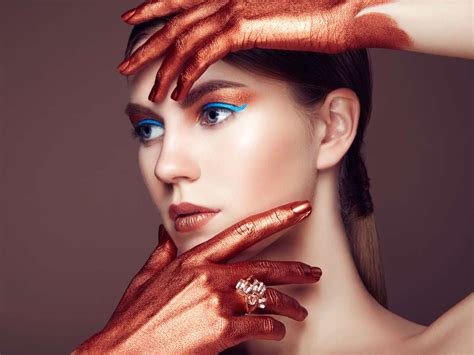
Once the foundation is solid, a workshop must transition into sophisticated techniques that allow for true creative expression. This encompasses detailed modules on advanced contouring and highlighting, eye makeup variations (from smoky eyes and cut creases to graphic liners and editorial looks), and mastering the application of various false lash styles. Understanding how to adapt these techniques for different eye shapes and desired effects is key.
Beyond the eyes, comprehensive training on brow shaping and filling, precise lip artistry, and the strategic use of textures and finishes (matte, dewy, glitter) are essential. The goal is not just to teach a technique, but to teach its versatility and how it can be manipulated to achieve specific artistic visions, allowing each participant to explore their unique aesthetic.
Defining Individual Elegance: The Art of Personalization
The hallmark of truly enhanced artistry is the ability to define individual elegance. This requires curriculum elements that go beyond technical skill to cultivate an artist’s eye for personalization. Workshops should emphasize understanding personal style, lifestyle, and the specific desires of a client or individual. This involves active listening, observation, and the ability to translate abstract concepts into tangible makeup looks.
A crucial component is learning to adapt current trends to suit unique features and preferences, rather than blindly following them. The focus shifts to accentuating natural beauty, enhancing unique features, and crafting signature looks that empower the individual, making them feel authentically elegant and confident. This element moves makeup from mere application to a form of personal branding.
The Role of Practical Application and Constructive Feedback
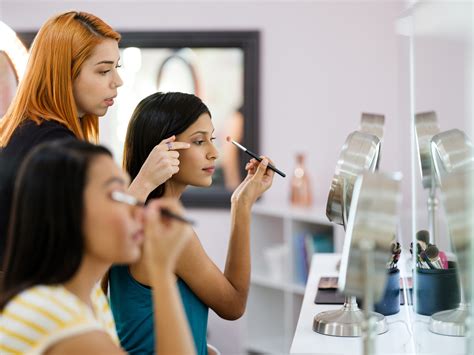
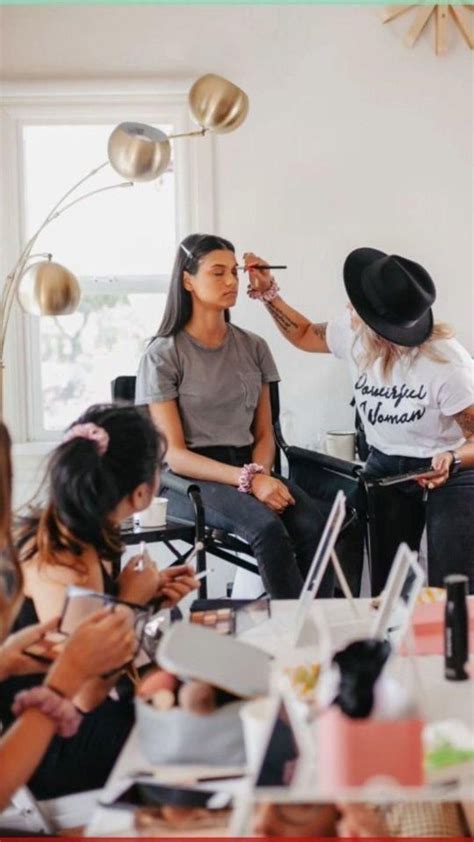
Theory without practice is incomplete. An exemplary makeup workshop integrates extensive hands-on practice, ideally with diverse models or face charts that represent a variety of skin tones, textures, and features. Live demonstrations followed by supervised practice sessions are vital for skill retention and development. The opportunity to experiment, make mistakes, and learn from them in a supportive environment accelerates mastery.
Equally important is a structured feedback system. Constructive criticism from experienced instructors, coupled with self-assessment techniques, helps participants identify strengths and areas for improvement. Portfolio building, either through professional photography sessions or guidance on documenting work, is also a valuable curriculum element, providing tangible evidence of enhanced artistry and a launchpad for future endeavors.
Beyond the Brush: Business Acumen and Professionalism
Finally, for those aspiring to professional careers, a comprehensive workshop extends beyond technical skills to include aspects of business acumen and professional etiquette. This might involve modules on client communication, time management, building a professional kit, marketing strategies, and understanding the industry landscape. Knowing how to conduct consultations, manage client expectations, and present oneself professionally are crucial for success.
Conclusion
A makeup workshop that truly enhances artistry and defines individual elegance is a carefully constructed journey. It systematically builds from fundamental knowledge to advanced techniques, instills the art of personalization, emphasizes rigorous practical application with expert feedback, and equips participants with professional insights. By focusing on these comprehensive curriculum elements, a workshop transforms students from mere makeup appliers into confident artists, capable of revealing and celebrating the unique beauty in every face.