



What elegant curation strategies maximize artistic impact in a Pro Artist Portfolio?

For professional artists, a portfolio is far more than a collection of images; it’s a meticulously crafted narrative, a visual argument for their unique talent and vision. In a competitive creative landscape, merely showing work isn’t enough. Elegant curation strategies are essential to transform a good portfolio into one that leaves a lasting artistic impression and opens doors to new opportunities. It’s about intentional selection, thoughtful sequencing, and a deep understanding of what truly resonates with your target audience.
Defining Your Portfolio’s Purpose and Audience
Before selecting a single piece, clarify the portfolio’s primary goal. Are you seeking gallery representation, commissions, a specific job, or showcasing a new series? Your purpose dictates your audience, whether they are curators, art directors, clients, or collectors. Understanding their expectations and aesthetic preferences allows you to tailor your selection and presentation to speak directly to them, making your impact immediate and relevant.
A portfolio curated for a gallery might emphasize conceptual depth and a consistent body of work, while one aimed at commercial illustration would highlight versatility, technical skill, and problem-solving abilities. This foundational understanding ensures every subsequent curation decision serves a strategic objective.
The Power of ‘Less is More’: Quality Over Quantity
One of the most crucial, yet often overlooked, strategies is ruthless editing. A portfolio’s strength is defined by its weakest link. Instead of overwhelming viewers with every piece you’ve ever created, present only your absolute finest work. Each included piece should be a testament to your highest capabilities, showcasing mastery of your medium, technique, and conceptual understanding. Eliminate anything that doesn’t elevate the overall impression or feels redundant.
A tight, impactful selection of 10-15 exceptional pieces often makes a stronger statement than a sprawling collection of 30 that includes a few mediocre ones. The goal is to leave the viewer wanting more, not feeling fatigued. This focused approach demonstrates confidence and a keen eye for self-assessment.
Crafting a Cohesive Narrative and Visual Flow
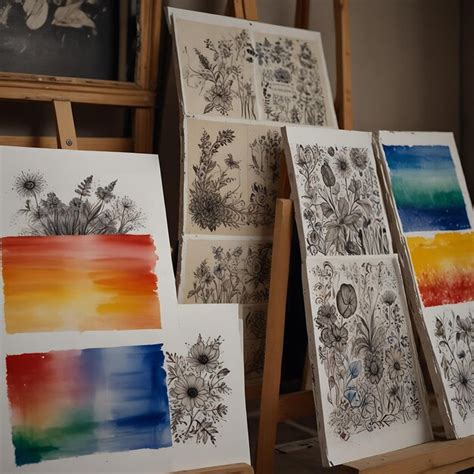
Your portfolio should tell a story, even without explicit text. Arrange your pieces in a sequence that creates a natural visual flow and builds a compelling narrative. Consider how one image transitions to the next, paying attention to color palettes, thematic connections, compositional elements, and emotional tone. A strong narrative can highlight your artistic evolution, a particular series, or the breadth of your conceptual interests.
Cohesion doesn’t necessarily mean every piece must look identical, but there should be an underlying thread that links them, showcasing a distinct artistic voice or signature style. This consistency helps viewers grasp your unique perspective and remember your work long after they’ve closed your portfolio.

The Importance of High-Quality Presentation
Even the most brilliant artwork can be undermined by poor presentation. Invest in high-resolution, professional-grade photography or scans of your work. Ensure lighting is even, colors are accurate, and there are no distracting backgrounds or glare. For digital portfolios, optimize image files for web viewing without sacrificing quality.
Accompany each artwork with concise, informative descriptions. Include the title, medium, dimensions, and year of creation. Briefly explain any relevant conceptual background or technical details if it adds value. Clarity and professionalism in presentation reflect your dedication and respect for your craft.
Strategic Sequencing and the ‘Hero Piece’
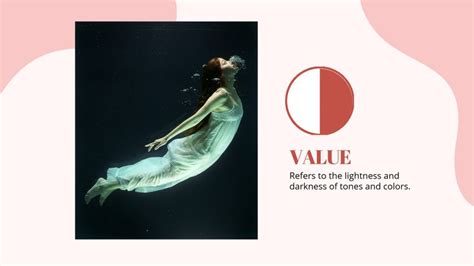
The order of your work profoundly impacts how it’s perceived. Start with a ‘hero piece’ – your absolute strongest, most captivating artwork – to immediately grab attention and set a high standard. Follow this with other strong pieces that reinforce your artistic identity. Position slightly weaker (but still excellent) pieces in the middle, and conclude with another strong work to leave a lasting, positive impression.
Think of it like a perfectly curated exhibition; each piece contributes to the overall experience, and the flow is designed to engage and enthrall the viewer from beginning to end.
Seeking Feedback and Continuous Refinement
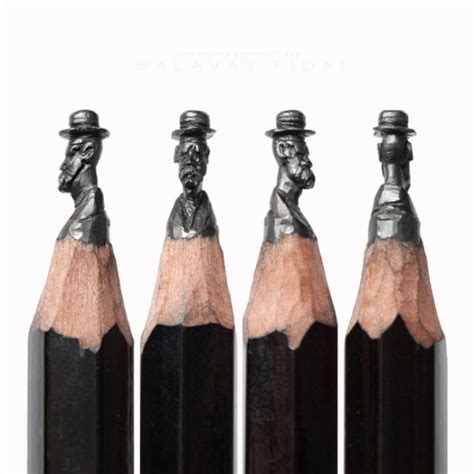
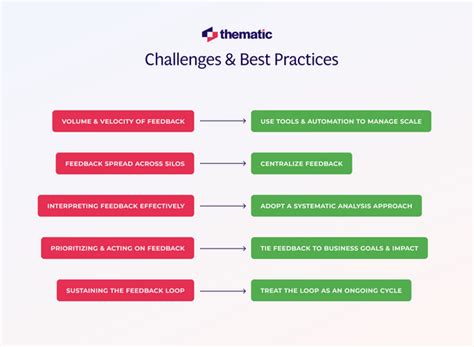
A portfolio is a living document that should evolve with your artistic practice. Periodically seek feedback from trusted mentors, fellow artists, or professionals in your target field. An outside perspective can reveal blind spots or suggest alternative arrangements that enhance impact. Be open to constructive criticism and use it as an opportunity to refine your curation choices.
Regularly update your portfolio to reflect your latest and strongest work. This demonstrates growth, relevance, and a commitment to continuous improvement, ensuring your artistic impact remains fresh and potent.
Conclusion
Elegant curation is the art of strategic omission and deliberate presentation, transforming a collection of artworks into a powerful statement of artistic identity. By defining your purpose, embracing quality over quantity, crafting a cohesive narrative, ensuring professional presentation, and continuously refining your selection, professional artists can maximize their portfolio’s impact, captivate their audience, and successfully advance their careers in the vibrant world of art.