



What elegant features define a Pro Portfolio for peak artistry & gallery impact?

The Crucial Role of a Professional Artist Portfolio
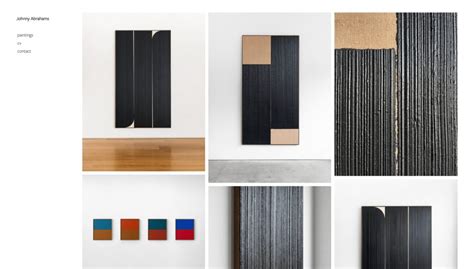
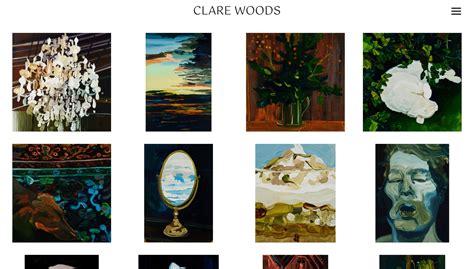
For any artist aspiring to gallery representation, lucrative commissions, or critical acclaim, a professional portfolio is more than just a collection of work—it’s a meticulously crafted narrative, a visual resume, and a powerful statement of artistic intent. It must transcend mere display, embodying elegance and strategic thought to achieve peak artistry and leave a lasting gallery impact. The difference between a good portfolio and an outstanding one often lies in a handful of sophisticated features that elevate it from a compilation to a captivating experience.
Impeccable Curation: Quality Over Quantity
The cornerstone of an elegant professional portfolio is ruthless curation. It’s not about showcasing every piece ever created, but rather presenting a cohesive, high-quality body of work that demonstrates skill, consistency, and artistic vision. Each artwork chosen should represent the artist at their best, aligning with the overall theme or direction the artist wishes to convey. A smaller, perfectly curated selection speaks volumes more than a large, inconsistent one.
Furthermore, a professional portfolio establishes a clear artistic voice and direction. The selected works should visually communicate the artist’s unique perspective, recurring themes, and stylistic evolution. This thematic coherence assures galleries and collectors that the artist has a defined path and a recognizable signature style.
Uncompromising Visual Excellence & Presentation
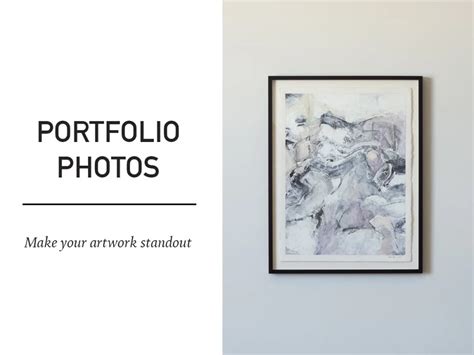
In a competitive art world, the quality of your images is as important as the quality of the art itself. A professional portfolio demands high-resolution, perfectly lit, and color-accurate photographs of each artwork. Poor photography can diminish the impact of even the most magnificent piece, while expert photography can enhance its appeal significantly. This often means investing in professional art photography.
Beyond individual images, the overall presentation of the portfolio—whether digital or physical—must exude professionalism. For digital portfolios, a clean, intuitive, and mobile-responsive website design is paramount. Navigation should be effortless, allowing viewers to appreciate the art without distractions. For physical portfolios, high-quality prints, durable binders, and thoughtful sequencing contribute to a refined experience.

Crafting a Cohesive Artistic Narrative
An elegant portfolio doesn’t just show art; it tells a story. This narrative is articulated through a compelling artist statement, concise artwork descriptions, and the strategic sequencing of pieces. The artist statement should articulate the artist’s philosophy, influences, and the conceptual underpinnings of their work, offering context and depth that enhances the viewer’s understanding and connection.
Each artwork description should provide essential details (title, medium, dimensions, year) and, where appropriate, a brief insight into the piece’s inspiration or process. The arrangement of works should guide the viewer through a visual journey, highlighting connections between pieces and reinforcing the overarching themes, thus revealing a thoughtful and mature artistic practice.
Seamless Accessibility & Professional Communication
A professional portfolio must be readily accessible to its intended audience. For most contemporary artists, this means a robust online presence. A dedicated website with a professional domain, clear contact information, and integrated social media links ensures that galleries, collectors, and media can easily find and engage with the artist’s work. The website should also be easy to update, allowing for fresh content and consistent engagement.
Beyond the digital realm, professional communication skills are integral. This includes prompt responses to inquiries, well-formatted email correspondence, and the ability to articulate one’s artistic vision clearly and confidently. A portfolio is often the first step in a relationship, and professional demeanor solidifies the impression made by the artwork itself.

Strategic Impact & Adaptability
Finally, an elegant portfolio is not a static entity; it is a dynamic tool adapted for specific opportunities. A professional artist understands that a portfolio submitted to a contemporary gallery might differ subtly from one presented to a corporate client or a public art commission. Tailoring the selection and emphasis to the specific context demonstrates strategic thinking and respect for the viewer’s interests.
This adaptability, coupled with an awareness of current art market trends and gallery aesthetics, allows the artist to position their work for maximum impact. A truly elegant portfolio anticipates the needs and expectations of its audience, making it an irresistible proposition for those seeking innovative, high-quality art.
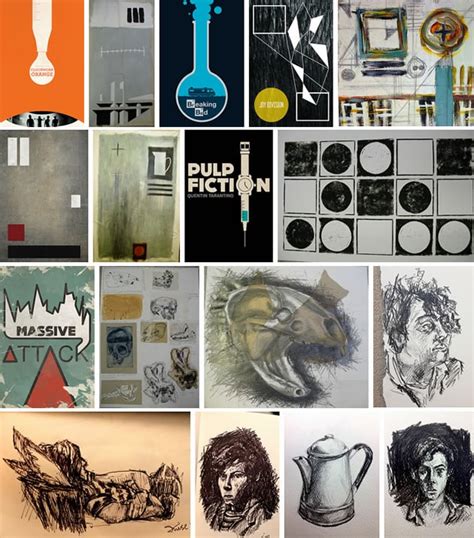
Conclusion: Elevating Artistry Through Professional Presentation
The elegant features defining a professional portfolio – impeccable curation, visual excellence, a compelling narrative, seamless presentation, and strategic adaptability – are not mere embellishments. They are foundational elements that transform a collection of artworks into a powerful statement of artistic maturity and market readiness. By meticulously refining these aspects, artists can ensure their portfolio not only reflects their peak artistry but also achieves significant impact within the competitive gallery world, opening doors to new opportunities and recognition.