

What guidance yields reviews highlighting product artistry & elegance?
Beyond Functionality: Cultivating Reviews That Celebrate Artistry
In a marketplace saturated with products, discerning consumers are increasingly looking beyond mere specifications and utility. They seek items that resonate on an aesthetic and emotional level, products that embody artistry and elegance. For brands aiming to capture this market segment, guiding reviewers to articulate these nuanced qualities is paramount. But what specific guidance proves most effective in yielding reviews that genuinely highlight a product’s artistic merit and sophisticated design?
Encouraging Sensory and Evocative Language
The first critical step is to empower reviewers with the vocabulary and mindset to move beyond a checklist of features. Guidance should encourage the use of sensory language. Instead of “it looks good,” prompt them to describe how it looks: “The satin finish catches the light, revealing subtle variations in its depth,” or “The ergonomic curve feels like a natural extension of the hand.” Encourage them to consider texture, form, balance, and the overall visual impact. This shifts the focus from objective reporting to subjective, yet descriptive, appreciation.
Provide examples of adjectives and phrases that convey elegance and artistry—words like “svelte,” “timeless,” “masterful,” “harmonious,” “intricate,” “refined,” or “bespoke.” Training reviewers to observe and articulate these details transforms a basic review into a compelling narrative that truly captures the product’s aesthetic essence.
Highlighting Design Intent and Craftsmanship
Artistry isn’t just about the end result; it’s also about the journey and the philosophy behind it. Guidance should prompt reviewers to consider the designer’s intent. What story does the product tell? What design principles are evident? Questions like “What specific details reveal superior craftsmanship?” or “How does the design reflect a particular aesthetic movement or philosophy?” can be incredibly powerful.
Encourage reviewers to look for indicators of quality materials, meticulous construction, and thoughtful finishing. For instance, “The perfectly aligned stitching speaks volumes about the artisan’s precision,” or “The seamless integration of disparate materials showcases innovative engineering.” This depth of observation elevates a review from a simple opinion to an informed critique of design and fabrication.

Contextualizing Elegance and Visual Storytelling
Elegance is often best understood in context. Reviewers should be encouraged to describe how the product integrates into its intended environment. Does it elevate a space? Does it command attention subtly or overtly? “The vase, with its minimalist lines, became the focal point of the dining table, adding an unexpected touch of serenity.”
For products where visuals are key, provide guidance on how to capture their artistry through photography. Suggest focusing on specific angles that highlight form, texture, or intricate details. Encourage reviews that combine evocative descriptions with high-quality imagery, creating a holistic appreciation of the product’s beauty.

Prompting Emotional and Sensory Resonance
True artistry often evokes an emotional response. Effective guidance should prompt reviewers to reflect on how the product makes them feel. Does it inspire awe, tranquility, joy, or a sense of luxury? “Holding the pen, I felt a connection to the centuries of meticulous calligraphy; it wasn’t just a writing tool, but an heirloom.”
Questions such as “What emotions does this product’s design evoke?” or “How does interacting with its form or texture enhance your experience?” can unearth profound insights that standard feature-based reviews often miss. This subjective, yet deeply personal, feedback is invaluable for consumers seeking more than just functionality.
Structured Prompts and Scoring Rubrics for Aesthetic Qualities
While open-ended prompts are valuable, sometimes more structured guidance can ensure these artistic elements are consistently addressed. Consider incorporating specific questions into review forms, such as:
- “Describe the product’s overall aesthetic and how it contributes to its perceived value.”
- “What specific design elements (e.g., curves, finishes, materials) do you find particularly appealing or unique?”
- “How does the craftsmanship compare to similar products you’ve encountered?”
- “Does the product feel luxurious, sophisticated, minimalist, or something else entirely? Elaborate.”
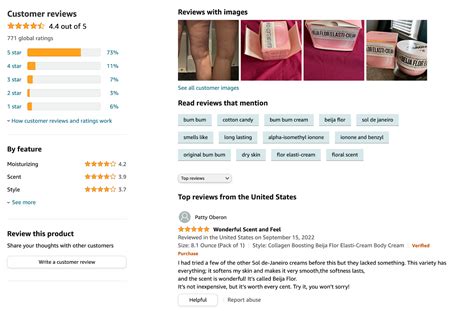
Additionally, a scoring rubric that includes categories like “Design Elegance,” “Craftsmanship Quality,” “Material Harmony,” and “Aesthetic Impact” can help reviewers quantify their observations, even if the descriptions remain qualitative.
Conclusion: Elevating the Review to an Art Form Itself
By providing clear, actionable guidance that encourages sensory description, an understanding of design intent, contextual appreciation, and emotional resonance, brands can transform their product reviews. Moving beyond mere functionality, these enriched reviews become compelling narratives that truly celebrate the artistry and elegance embedded within a product. This not only benefits potential buyers seeking sophisticated items but also elevates the brand’s perception, reinforcing its commitment to beauty and quality.