



What portfolio curation strategy best enhances artistry and defines elegance for client impact?
Crafting a Compelling Professional Art Portfolio
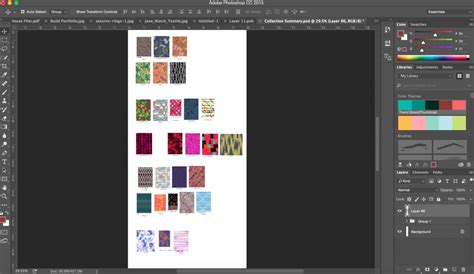
For professional artists, a portfolio is far more than just a collection of work; it’s a meticulously curated narrative of their artistic journey, capabilities, and unique vision. The strategic curation of this collection is paramount, serving as the primary bridge between an artist’s personal expression and their professional impact on clients. It’s about distilling the essence of one’s artistry into a compelling visual statement that not only showcases technical skill but also exudes an undeniable elegance, fostering trust and admiration.
Defining Artistry Through Intentional Selection
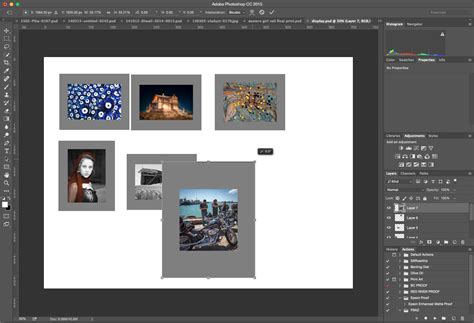
The first step in any powerful portfolio strategy is a ruthless yet honest selection process. Every piece included must serve a purpose, reflecting your most refined technical abilities, innovative approaches, and authentic artistic voice. Resist the urge to include everything; instead, focus on quality over quantity. Each artwork should be a testament to your unique aesthetic and demonstrate a clear understanding of your medium and message. This selective approach elevates the perceived value of your work, making it clear that you are a master of your craft.
Showcasing Your Signature Style
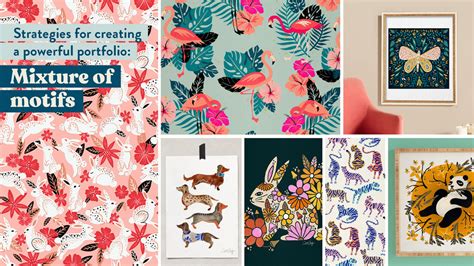
Clients are looking for a consistent visual language that resonates with their needs. Ensure your portfolio highlights your signature style and thematic interests. While versatility can be an asset, a strong portfolio first establishes a cohesive identity. This doesn’t mean every piece must look identical, but rather that a clear artistic thread runs through the collection, making your work instantly recognizable and memorable.
Cultivating Elegance in Presentation
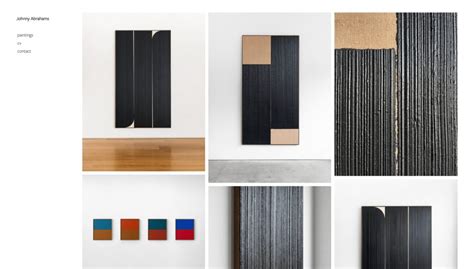
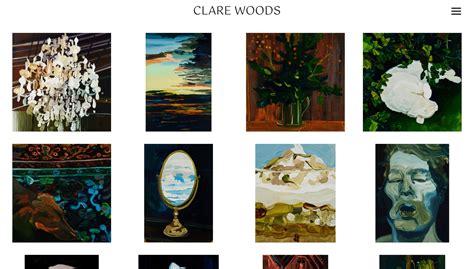
Elegance in a portfolio extends beyond the artwork itself to its presentation. This encompasses everything from the quality of photography to the layout and overall user experience. High-resolution images, professional lighting, and accurate color representation are non-negotiable. A clean, intuitive layout, whether digital or physical, allows the artwork to breathe and speak for itself without unnecessary distractions.

The Power of Context and Storytelling
Providing context for your work can significantly enhance its elegance and impact. This might involve concise captions, an artist statement that clarifies your intentions, or even mock-ups that show your art in a professional setting or application. This not only adds depth but also helps clients visualize how your work might fit into their own projects, demonstrating your professionalism and foresight.
Strategic Curation for Client Impact
Understanding your target client is crucial for effective portfolio curation. While your core portfolio should represent your best overall work, consider creating specialized galleries or sections tailored to specific client demographics or project types. Are you targeting interior designers, art collectors, or publishing houses? Each may have different expectations and preferences. A portfolio that subtly speaks to these specific needs demonstrates your understanding of the market and your commitment to meeting client expectations.

Highlighting Success and Adaptability
If appropriate, include examples of commissioned work or projects that demonstrate your ability to collaborate and deliver on client briefs. This not only showcases your adaptability but also provides social proof of your professional capabilities. Elegance also comes from confidence in your work, and successfully completed projects are powerful endorsements.
Maintaining a Dynamic and Refined Collection
A professional portfolio is never truly “finished”; it’s a living, evolving entity. Regularly review your work, removing older pieces that no longer reflect your current skill level or artistic direction, and incorporating new, stronger creations. Seek feedback from trusted peers or mentors. This ongoing process of refinement ensures that your portfolio always presents your best and most relevant work, solidifying your reputation as a forward-thinking and sophisticated artist.
The Digital Edge: Accessibility and SEO
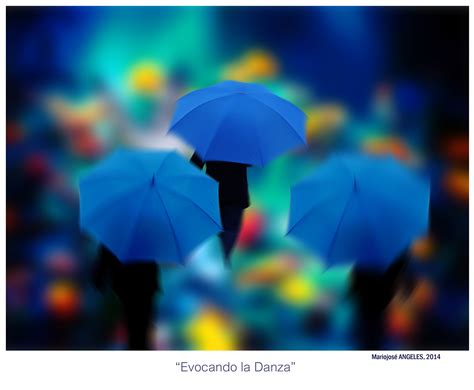
For digital portfolios, consider accessibility and search engine optimization (SEO). Use descriptive alt tags for images, organize your site logically, and ensure it’s mobile-responsive. An elegant portfolio is one that is easily discovered and seamlessly experienced by potential clients, regardless of how they access it.
Conclusion: The Art of Professional Presentation
Ultimately, a portfolio curation strategy that best enhances artistry and defines elegance for client impact is one rooted in authenticity, refined through meticulous selection, elevated by impeccable presentation, and strategically aligned with client needs. It’s about telling a compelling visual story that not only showcases your talent but also communicates your professionalism, vision, and the unique value you bring to every project. By investing thought and effort into this crucial aspect of your artistic career, you transform your portfolio into a powerful tool for attracting your ideal clients and building a lasting legacy.