
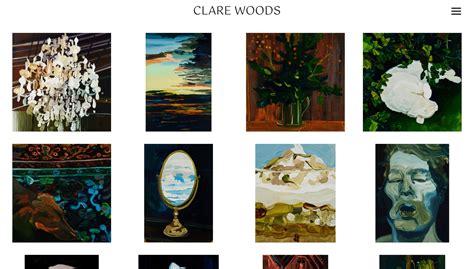


What Pro Artist Portfolio curation strategy best defines ‘Elegance’ for high-end art?

Understanding ‘Elegance’ in High-End Art Portfolios
In the rarefied world of high-end art, ‘elegance’ transcends mere aesthetic appeal. It’s a sophisticated interplay of refinement, timelessness, and an understated luxury that speaks volumes without shouting. For a professional artist, defining and embodying this elegance within their portfolio is paramount to attracting discerning collectors, top galleries, and critical acclaim. It’s about presenting a body of work that exudes a quiet confidence, an inherent quality that resonates with those who understand and appreciate the subtleties of true artistry.
Unlike flashy or trend-driven presentations, an elegant portfolio showcases a profound understanding of composition, technique, and conceptual depth. It suggests a mastery that has been honed over time, presenting art not just as objects, but as significant cultural contributions. The challenge lies in curating a selection that not only highlights the artist’s best work but also communicates their unique artistic language with a polished, dignified grace.
The Core Principles of Elegant Curation
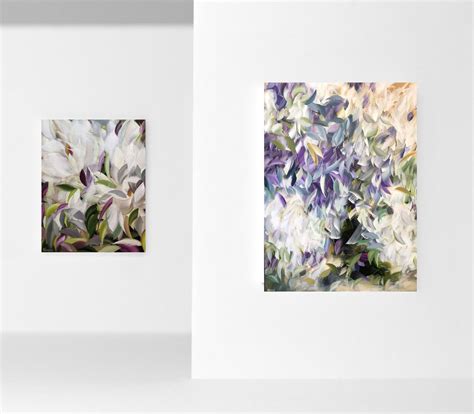
Achieving an elegant portfolio hinges on several foundational principles. Firstly, selectivity and scarcity are crucial. Rather than presenting every piece ever created, an elegant portfolio champions quality over quantity. Each artwork included must be exceptional, representing the pinnacle of the artist’s skill and vision. This creates an aura of exclusivity and high value.
Secondly, cohesion and narrative are vital. The portfolio should tell a story, or at least present a consistent artistic voice, even if it spans different series or periods. This narrative continuity assures viewers of the artist’s focused trajectory and mature conceptual framework. A disjointed collection, however brilliant individual pieces may be, often detracts from the overall sense of elegance.
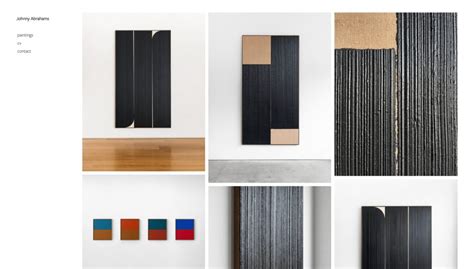
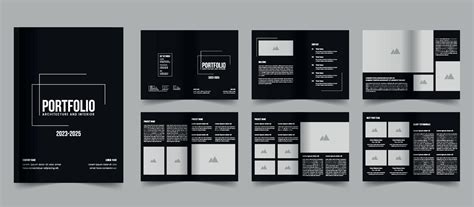
Finally, impeccable presentation forms the bedrock. This encompasses high-resolution photography, consistent and professional framing (if applicable), a clean and uncluttered layout, and minimalist design. Every element, from the choice of font to the amount of white space, contributes to the perception of sophistication and attention to detail.
Strategic Content Selection for Impact
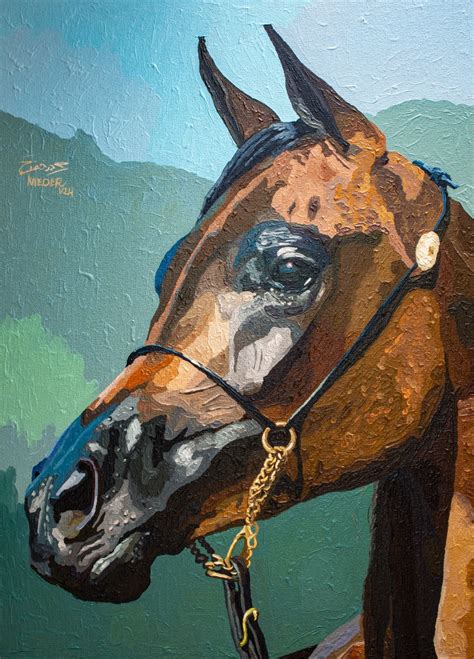
When curating for elegance, the focus should be on signature pieces or series that unequivocally embody the artist’s unique voice and demonstrate exceptional technical skill. These are the artworks that define the artist’s style and leave a lasting impression. Consider the target audience: high-end collectors, gallerists, and art consultants have a sophisticated eye and specific expectations for works in their sphere.
Tailoring the selection to these expectations means showcasing pieces that reflect rarity, significant artistic achievement, and a potential for enduring value. While it can be valuable to include insights into the artistic process or conceptual depth, this should always be presented in an accessible and elegant manner, enhancing rather than distracting from the visual impact of the work itself.
The Art of Subtlety and Refinement
True elegance often resides in what is understated and thoughtfully omitted. An elegant portfolio avoids any sense of ‘overkill’ or excessive self-promotion. Instead, it relies on the intrinsic power of the artwork and the refinement of its presentation to speak for itself. Attention to minute details is paramount: typography should be legible and tasteful, white space utilized effectively to give each piece room to breathe, and descriptions should be concise yet informative, avoiding jargon.
If including testimonials, press mentions, or artist statements, they must be integrated seamlessly and discreetly, adding credibility without dominating the visual experience. The overall impression should be one of quiet authority and established artistic presence, rather than a desperate plea for attention. This subtlety communicates a confidence in the work itself.
Mastering Digital and Physical Presentation
In today’s art market, an elegant portfolio must excel in both digital and physical forms. For digital presentation, this means a dedicated, beautifully designed website with high-resolution images, a user-friendly interface, and responsive design that functions flawlessly across all devices. The online experience should mirror the exclusivity and quality of the art itself, offering an immersive yet clean viewing environment.
For physical presentation, which remains crucial for many high-end interactions, quality is paramount. This could involve custom-bound portfolio books with archival-quality prints, professional framing, and impeccable display materials. The tactile experience of a physical portfolio should reinforce the sense of luxury and attention to detail. Consistency between the digital and physical representations is key to maintaining a coherent and elegant brand identity, ensuring that the artist’s ‘elegance’ is perceived uniformly across all touchpoints.

Conclusion: The Statement of Elegance
Ultimately, a high-end art portfolio curated for ‘elegance’ is far more than just a collection of images; it is a meticulously crafted statement of an artist’s brand, vision, and market positioning. It is a strategic tool that embodies sophistication, rarity, and a seamless visual narrative, designed to captivate and reassure the most discerning collectors and gallerists. By adhering to principles of selectivity, cohesion, impeccable presentation, and a profound sense of subtlety, artists can define and convey ‘elegance’ in a way that not only showcases their extraordinary talent but also firmly establishes their presence within the exclusive echelons of the art world.