

What Pro Artist Portfolio tools enhance visual ‘elegance’ for high-end art display?

Defining Elegance in Art Presentation
For professional artists targeting the high-end market, a portfolio is far more than a collection of images; it is a meticulously curated experience designed to convey sophistication, prestige, and the intrinsic value of their work. Visual ‘elegance’ in this context means seamless presentation, impeccable quality, and an aesthetic that complements rather than competes with the artwork itself. Achieving this requires a thoughtful integration of advanced tools and strategic approaches, transforming a simple display into an immersive journey for potential buyers and gallerists.
The journey to an elegant portfolio begins with understanding the audience and the specific nuances of high-end art display. It’s about creating an atmosphere of exclusivity and meticulous attention to detail from the first glance.
Curatorial Software and Digital Platforms
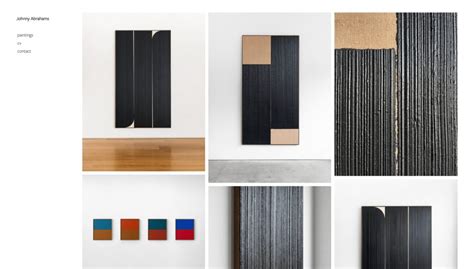
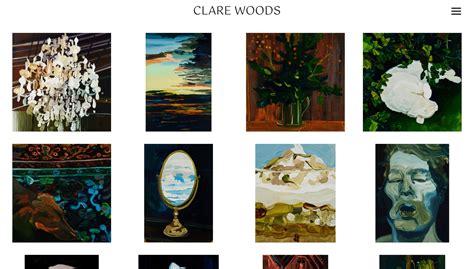
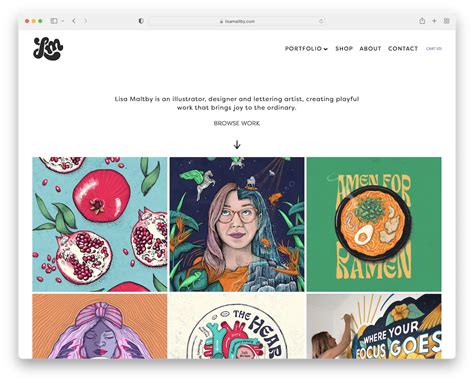
At the heart of a truly elegant digital portfolio lies robust curatorial software and a professional online platform. Generic website builders often fall short, lacking the customizable features and sophisticated aesthetics required. Tools like Artlogic, Artbinder, or custom-built solutions offer unparalleled control over layout, typography, and image display, allowing artists to create a seamless brand experience. These platforms prioritize visual clarity, offer deep customization for branding, and ensure fast loading times, which are crucial for retaining attention. They provide advanced gallery functions, private viewing rooms, and client management features, all contributing to a polished, professional interaction.
Beyond basic image grids, these platforms facilitate storytelling around each piece, offering space for detailed descriptions, provenance, and contextual information that enriches the viewer’s understanding and appreciation of the art.
High-Resolution Imaging and Color Fidelity
No tool is more fundamental to an elegant portfolio than high-resolution, color-accurate photography of the artwork. This isn’t merely about having a good camera; it involves professional lighting, color calibration, and post-production techniques. Artists often employ professional art photographers who specialize in capturing the texture, depth, and true color of a piece. Tools like professional-grade DSLRs or mirrorless cameras, coupled with specific lenses for art reproduction, are indispensable. Software such as Adobe Photoshop and Lightroom are then used for meticulous color correction and detail enhancement, ensuring that the digital representation is as close to the physical original as possible.
Interactive Elements and Immersive Experiences
To truly elevate visual elegance, modern portfolios can incorporate interactive elements that go beyond static images. 3D renderings of sculptures, virtual reality (VR) walkthroughs of installations, or short, high-quality video documentaries about the artistic process can provide a deeper, more immersive experience. Tools like Sketchfab for 3D models, or specialized VR/AR development kits, allow artists to showcase their work in dynamic ways. For video content, professional editing software such as Adobe Premiere Pro or DaVinci Resolve, combined with high-quality cameras and audio equipment, ensures cinematic quality that reflects the caliber of the art.
These interactive elements aren’t just flashy; they serve to contextualize the art, allowing viewers to appreciate its scale, texture, and environment in ways that flat images cannot.
Physical Presentation: Print Quality and Packaging
While digital portfolios are paramount, for high-end art, a physical component often seals the deal. The ‘elegance’ extends to how printed materials are presented. This involves using archival-quality papers, professional printing services (e.g., Giclée prints for reproductions), and custom-designed packaging. Tools for this might include professional printers like Epson or Canon for in-studio proofs, but ultimately, trusted print houses with expertise in fine art reproduction are key. Bespoke binders, custom folios, and engraved boxes add a tactile luxury that reinforces the value of the art.
Conclusion: A Holistic Approach to Elevated Display
Achieving visual elegance in a high-end artist portfolio is a multifaceted endeavor, requiring a holistic approach that integrates advanced digital platforms, meticulous imaging, immersive technologies, and impeccable physical presentation. It’s about crafting an experience where every element, from the pixel-perfect image to the luxurious tactile feel of a printed piece, reinforces the artist’s brand and the intrinsic value of their work. By leveraging these specialized tools and strategies, professional artists can create a portfolio that doesn’t just display art, but truly elevates it, captivating a discerning audience and distinguishing themselves in the competitive high-end art market.