

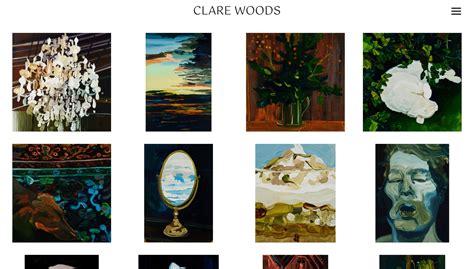


What pro tips ensure portfolio elegance and client-attracting artistry?

The Foundation: Curated Quality Over Sheer Quantity
For any professional artist, a portfolio isn’t merely a collection of work; it’s a meticulously curated showcase designed to tell a story, demonstrate skill, and ultimately, attract the right clients. The first, and arguably most crucial, tip is to prioritize quality over quantity. Resist the urge to include every piece you’ve ever created. Instead, select only your absolute best, most representative, and most relevant works that align with the type of clients or projects you aim to secure.
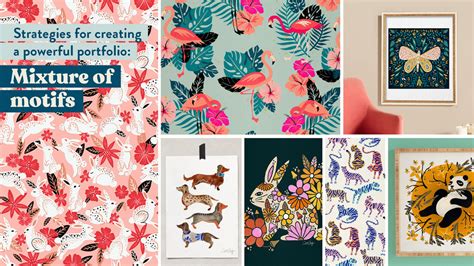
Each piece chosen should serve a purpose, highlighting a specific skill, style, or thematic strength. Consider what message your overall selection conveys. Does it speak to a consistent vision, or does it feel disjointed? A concise, powerful portfolio with 10-15 exceptional pieces will always outperform a sprawling collection of 50-100 inconsistent works. Think of it as an art gallery; every piece on display is there for a reason, contributing to the overall experience and message.
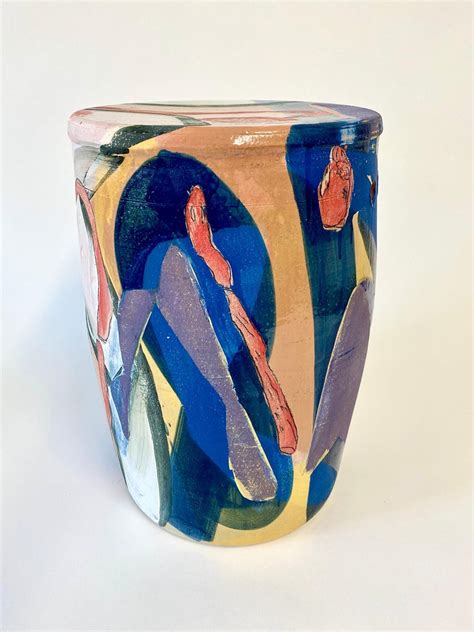
Crafting Your Unique Narrative and Niche
Beyond individual pieces, an elegant and client-attracting portfolio tells a coherent story about you as an artist. What is your unique voice? What problems do you solve for clients? Defining your niche is paramount. Are you a portrait artist specializing in hyperrealistic pet portraits, a concept artist for sci-fi games, or a muralist focusing on community-centric public art?
Once your niche is clear, tailor your portfolio to reflect it. If you want to work on editorial illustrations, include pieces that demonstrate strong narrative qualities and conceptual thinking. If you’re seeking architectural rendering commissions, showcase technical precision and spatial understanding. Your portfolio should not just show what you can do, but what you want to do, guiding potential clients directly to your desired projects.

Professional Presentation: Beyond the Art Itself
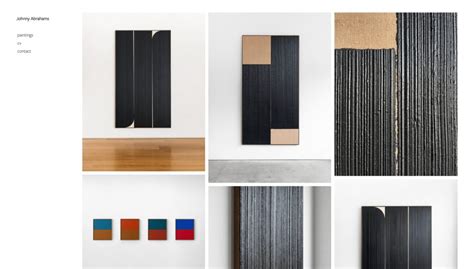
The medium through which your art is presented is as vital as the art itself. A polished, professional presentation elevates your work from amateur to expert. This means investing in a high-quality website or digital platform that is easy to navigate, mobile-responsive, and visually appealing. Avoid cluttered layouts, overwhelming animations, or hard-to-read fonts.
Ensure all your images are high-resolution, accurately color-corrected, and professionally photographed or scanned. Blurry, poorly lit, or low-quality images can instantly devalue even the most brilliant artwork. Consistency in branding – from your logo and color palette to your artist statement and contact information – reinforces your professionalism and makes your portfolio memorable.
Strategic Storytelling and Client Focus
An elegant portfolio doesn’t just display art; it demonstrates value. For each piece, consider adding a brief, compelling description. Explain the medium, the inspiration, or even the client brief and your solution (if applicable). This adds context and allows clients to understand your thought process and problem-solving abilities.
Include testimonials or case studies if you have them. Seeing positive feedback from previous clients provides social proof and builds trust. Remember, clients aren’t just buying art; they’re investing in a solution to their need or a vision for their project. Position your work not just as beautiful, but as purposeful and impactful.

Continuous Evolution and Feedback
A professional artist’s portfolio is a living document, not a static monument. It should evolve as your skills grow, your style refines, and your career direction shifts. Regularly review your portfolio, at least once or twice a year, to update it with new, stronger work and remove anything that no longer aligns with your current goals or level of expertise.
Don’t be afraid to seek constructive criticism from trusted peers, mentors, or even art directors. An outside perspective can reveal blind spots and offer valuable insights into how your portfolio is perceived. Embracing feedback is a mark of a true professional committed to continuous improvement.
Ultimately, ensuring portfolio elegance and client-attracting artistry is a delicate dance between artistic integrity and strategic presentation. By meticulously curating your best work, defining your unique narrative, maintaining a professional online presence, telling a compelling story, and continuously refining your showcase, you will create a powerful tool that not only displays your talent but also effectively opens doors to exciting new opportunities.