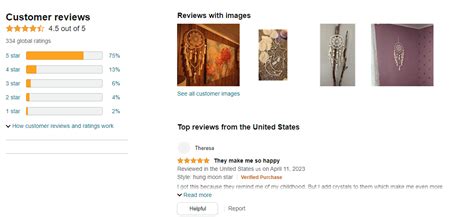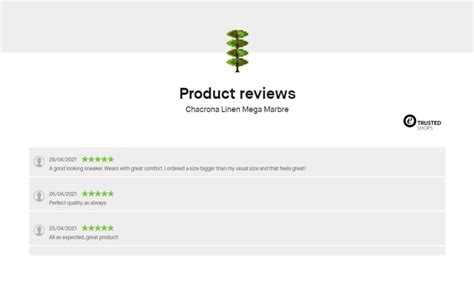





What prompts best elicit detailed, elegant reviews highlighting craftsmanship?

The Art of Eliciting Insightful Craftsmanship Reviews
In a marketplace saturated with products, items born from true craftsmanship stand apart. Yet, conveying the depth of this distinction through mere star ratings or generic comments can be a challenge. For businesses and artisans, obtaining detailed, elegant reviews that spotlight the intricate care, quality materials, and unique story behind a handcrafted item is invaluable. Such reviews don’t just sell products; they build trust, communicate value, and celebrate the artisan’s dedication. The key lies in asking the right questions – prompts that go beyond surface-level satisfaction and delve into the sensory, emotional, and practical experience of ownership.
Eliciting reviews that truly resonate requires a nuanced approach. Instead of simply asking, “Are you satisfied?”, we must guide the reviewer to articulate their experience in a way that captures the essence of the craftsmanship. This involves focusing on specific attributes that differentiate a handcrafted item from its mass-produced counterparts: the feel, the finish, the perceived durability, and the story it tells. By framing our requests thoughtfully, we can transform a mundane feedback request into an invitation for storytelling and genuine appreciation.
Targeting the Sensory and Aesthetic Experience
Craftsmanship often appeals first to our senses. Prompting reviewers to describe these immediate, tangible reactions can unlock rich, descriptive feedback. Encourage them to articulate what they see, touch, and even hear or smell when interacting with the product. This moves beyond a simple ‘good’ or ‘bad’ to a deeper, more evocative assessment.
- Visual Appeal: “Describe your initial visual impression. What specific details (e.g., stitching, carving, color variations, finish) immediately caught your eye and conveyed quality?”
- Tactile Feedback: “How does the item feel in your hands? Does the texture, weight, or balance communicate its handcrafted nature or material quality?”
- Attention to Detail: “Upon closer inspection, what subtle design elements or finishing touches stood out to you?”

Unveiling the Maker’s Journey and Effort
A significant part of craftsmanship is the perceived effort, skill, and time invested by the maker. While customers may not know the exact process, they can often sense when an item is made with care versus haste. Prompts that encourage reflection on the perceived dedication behind the product can be highly effective.
- Artisanal Quality: “In what ways does this product distinguish itself from similar, mass-produced items you might have encountered?”
- Durability and Construction: “Does the construction or material quality suggest that this item is built to last? What details give you this impression?”
- Value Perception: “Considering the craftsmanship, does this product meet or exceed your expectations for its value?”
Encouraging Narrative and Longevity
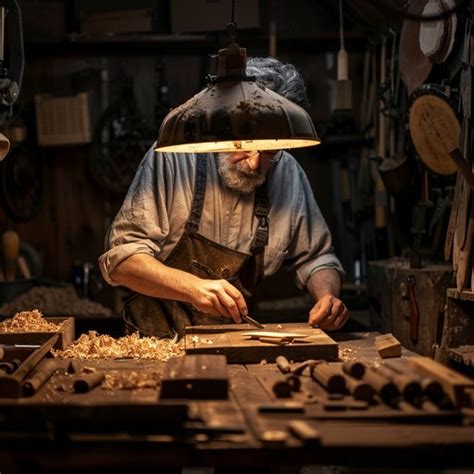
Great craftsmanship often results in products that become cherished possessions, telling a story over time. Prompts that invite customers to share their personal journey with the product, from unboxing to anticipated future use, can generate compelling narratives.
- Initial Experience: “Beyond the product itself, describe your experience from receiving to unboxing the item. Did the packaging reflect the care taken with the product inside?”
- Usage and Integration: “How has this item integrated into your daily life or space? What specific moments highlight its unique qualities?”
- Anticipated Future: “How do you envision this item aging or being enjoyed over time? What kind of legacy do you think it holds?”

Beyond Prompts: Cultivating a Review Culture
While targeted prompts are crucial, they are part of a larger strategy. Cultivating an environment where detailed reviews are encouraged and valued can significantly boost the quality of feedback. This includes making the review process user-friendly, providing examples, and expressing gratitude for thoughtful contributions.
- Provide Examples: Share snippets of excellent reviews (with permission) to illustrate the kind of detail you appreciate.
- Simplify the Process: Ensure the review submission is intuitive and mobile-friendly.
- Personalized Follow-up: A direct, appreciative thank-you email after a detailed review can encourage future thoughtful feedback.

Conclusion
Eliciting detailed, elegant reviews that spotlight craftsmanship isn’t about manipulating feedback; it’s about empowering customers to articulate their genuine appreciation for well-made goods. By employing carefully constructed prompts that focus on sensory details, perceived effort, and the product’s narrative, businesses can gather testimonials that truly reflect the value and artistry embedded in their creations. This not only benefits potential buyers but also provides invaluable affirmation and insight for the artisans themselves, fostering a deeper connection between maker, product, and consumer.