


What prompts elicit detailed reviews emphasizing product elegance and unique artistry?

In a marketplace saturated with utilitarian products, those that stand out often do so because of their inherent elegance and unique artistry. Capturing these nuanced qualities in product reviews is crucial for both consumers seeking beauty and brands aiming to highlight their distinctive craftsmanship. But how do we guide reviewers to move beyond mere functionality and articulate the profound aesthetic appeal of an item?
Crafting Questions That Spark Aesthetic Reflection
The journey to eliciting detailed reviews centered on elegance and artistry begins with the prompts themselves. Instead of generic “What did you like?”, effective questions should directly invite contemplation of design, form, and artistic intent. For instance, asking “How does the product’s design evoke a sense of sophistication or luxury?” or “What specific design elements contribute to its unique visual appeal?” encourages a deeper dive into aesthetics rather than just performance.

Encouraging Sensory and Emotional Language
Art and elegance are often felt as much as they are seen. Prompts that encourage reviewers to describe their sensory and emotional experience can unlock rich, descriptive language. Questions like “How does touching the product make you feel?” or “What emotions does its aesthetic inspire?” can lead to insights about texture, balance, and the overall ‘feel’ that contributes to its artistic merit. Describing the interplay of light on a surface or the subtle curve of a handle can elevate a review from good to exceptional.
Another powerful approach is to ask reviewers to compare the product to a piece of art or an experience. “If this product were a piece of music, what kind would it be?” or “What other artistic creations does its design remind you of?” these types of questions foster creative thinking and help reviewers articulate previously unexpressed perceptions of beauty and design.

Highlighting Craftsmanship and Material Story
True artistry often lies in the execution and the materials chosen. Prompts that focus on craftsmanship can reveal the dedication and skill behind a product. “How evident is the craftsmanship in the details?” or “What do the materials communicate about the product’s quality and design philosophy?” are excellent starting points. Encourage reviewers to look for subtle imperfections that tell a story of handmade quality, or the seamless finish that speaks to precision engineering.
Understanding the provenance or inspiration behind a design can also inform a review. Asking “Does the product’s design tell a story, or suggest a particular inspiration?” can prompt reviewers to consider the cultural or historical context of its artistry, adding layers of depth to their feedback.
The Power of Comparative Aesthetics
Sometimes, the best way to describe unique artistry is through comparison. Prompts like “How does the product’s aesthetic stand apart from similar items on the market?” or “What unique artistic choices distinguish this product?” can guide reviewers to articulate what makes an item truly special. This pushes them to identify specific innovations or traditional techniques that contribute to its distinctive appeal.
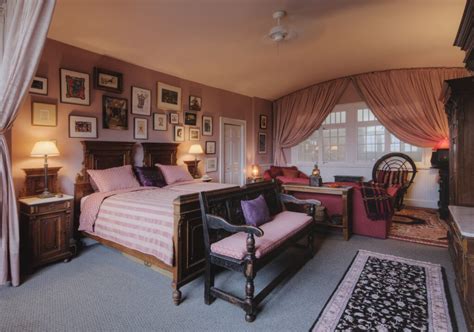
Encourage reviewers to think about the product’s place in their own environment. “How does this product enhance the aesthetic of your living space?” or “Does it feel like a statement piece?” can help them articulate its impact beyond its immediate function.

Conclusion: Cultivating a Culture of Appreciation
Eliciting detailed reviews that emphasize product elegance and unique artistry is not just about asking the right questions; it’s about cultivating a mindset among reviewers that values aesthetics as much as utility. By providing targeted prompts that encourage sensory description, emotional connection, critical comparison, and an appreciation for craftsmanship, brands and platforms can empower consumers to articulate the true beauty and artistic merit of the products they experience. This not only enriches the review landscape but also celebrates the artisans and designers who pour their heart into creating objects of enduring beauty.