


What prompts elicit detailed reviews on craftsmanship and aesthetic impact?

The Quest for Deeper Insights: Beyond Basic Feedback
In the vast ocean of online reviews, many comments often skim the surface, focusing on basic functionality or delivery speed. While these are valuable, they rarely capture the full story of a product’s intrinsic worth. For brands that pride themselves on quality, design, and attention to detail, eliciting reviews that delve into craftsmanship and aesthetic impact is crucial. These detailed accounts not only help potential buyers make informed decisions but also provide invaluable feedback for product development and marketing.
So, what specific prompts can inspire customers to articulate their experience with a product’s build quality and visual appeal, transforming generic feedback into rich, descriptive narratives?

Targeting Craftsmanship: Probing for Quality and Detail
To encourage detailed commentary on craftsmanship, prompts should guide the reviewer’s attention to specific aspects of the product’s construction, materials, and durability. Instead of asking a broad “What did you think?”, direct questions can unlock deeper observations:
- Material & Build Quality: “How would you describe the materials used in this product? Do they feel high-quality, durable, or unique?” or “Comment on the construction – does it feel solid, well-assembled, or precisely finished?”
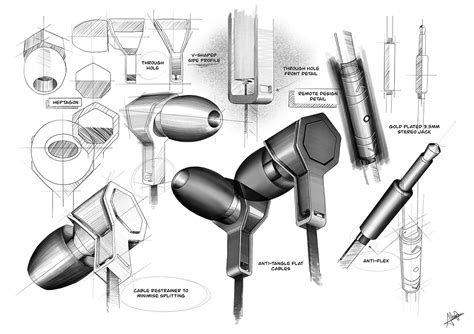
- Attention to Detail: “Did you notice any particular features or finishes that stood out to you, reflecting careful craftsmanship?” This could include stitching, joinery, engravings, or unique textures.
- Longevity & Durability: “After using it for [X time], how has the product held up? Does it show signs of wear, or does it maintain its original quality?”
- Functionality & Form Integration: “How does the product’s construction contribute to its overall performance or ease of use?”
Eliciting Aesthetic Impact: Capturing the Visual & Emotional Experience
A product’s aesthetic impact goes beyond mere attractiveness; it encompasses how its design integrates into a user’s life, evokes emotion, or fulfills a specific stylistic need. Prompts for aesthetic reviews should invite personal reflection and descriptive language:
- Visual Appeal & Design Elements: “What aspects of the product’s design immediately caught your eye? Describe its overall look and feel – is it modern, classic, minimalist, or something else?” or “How do the colors, textures, or patterns contribute to its appeal?”
- Integration & Environment: “Where did you place this product in your home/office, and how does its design complement or enhance that space?” This helps reviewers visualize its real-world application.
- Emotional Response: “How does interacting with this product make you feel? Does its design evoke a sense of luxury, comfort, inspiration, or joy?”
- Uniqueness & Originality: “Does this product stand out from similar items you’ve seen? What makes its design unique or memorable?”
Contextual Prompts and Follow-Up Strategies
Beyond direct questions within a review form, the timing and context of the prompt also play a vital role. Sending follow-up emails after a reasonable period of use (e.g., 2-4 weeks) can yield more thoughtful insights than an immediate post-purchase request. Furthermore, providing examples of detailed reviews or suggesting categories for feedback (e.g., “Design,” “Quality,” “Feel”) can guide reviewers towards more comprehensive responses.
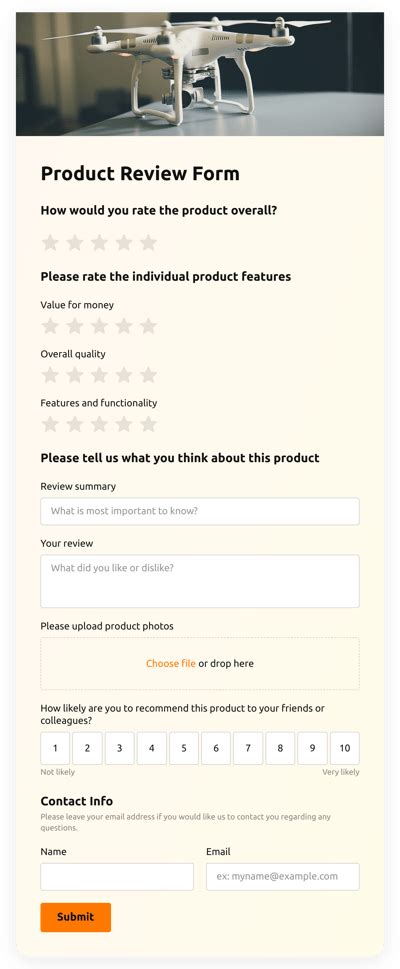
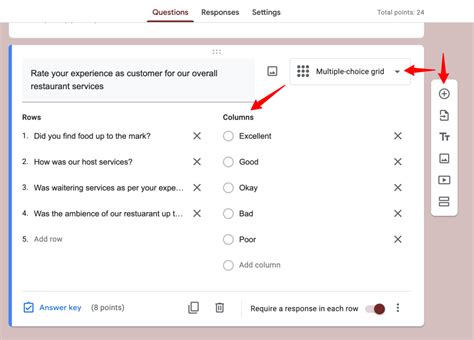
Consider multi-stage prompting: initial short questions, followed by optional deeper dives. Some platforms also allow for specific questions tied to product features, prompting users to rate and comment on those individually.
Encouraging Storytelling and Personalization
People love to share their experiences. Prompts that encourage storytelling can lead to incredibly detailed and authentic reviews. Instead of just asking for an opinion, ask them to recount a moment or describe how the product has changed their perception or environment. For example, “Tell us about the first time you used or displayed this product. What was your initial impression, and how has that evolved?” or “If you could show someone one detail about this product that exemplifies its quality, what would it be?”
Personalization, even subtle, can also boost engagement. Addressing the customer by name in the review request and referencing their specific purchase can make the request feel less generic and more valued. Additionally, offering a small incentive, such as entry into a prize draw or a discount on a future purchase, can significantly increase both the quantity and quality of reviews, provided it’s ethically managed and transparent.

Conclusion: The Art of Guiding Authentic Feedback
Eliciting detailed reviews on craftsmanship and aesthetic impact is an art that combines thoughtful questioning with strategic timing. By moving beyond generic requests and instead employing targeted, descriptive prompts, brands can empower their customers to become eloquent advocates for their products. These detailed insights not only serve as powerful social proof for prospective buyers but also provide a treasure trove of qualitative data, fueling continuous improvement and reinforcing a brand’s commitment to excellence in both form and function.