

What prompts yield detailed reviews of design elegance & craftsmanship from discerning clients?

Unlocking Deeper Insights into Design & Craftsmanship
For brands that pride themselves on exceptional design and meticulous craftsmanship, generic five-star ratings, while appreciated, often fall short. What truly matters is understanding the ‘why’ behind a client’s appreciation, especially from those with a discerning eye. These are the clients who notice the subtle curve, the seamless join, the perfect weight, or the exquisite finish – details that speak volumes about a product’s true value. The challenge lies in eliciting these nuanced observations in a review, transforming a simple ‘I love it’ into a rich narrative that illuminates the product’s elegance and quality.
This article delves into the art of prompting, exploring specific questions and environmental considerations that encourage discerning clients to share highly detailed, qualitative feedback. By understanding what motivates these clients and how to structure your requests, you can uncover invaluable insights that validate your brand’s commitment to excellence and resonate deeply with prospective buyers.

The Psychology of the Discerning Client
Discerning clients aren’t just buying a product; they’re investing in an experience, a statement, and a reflection of their own standards. They possess an inherent appreciation for aesthetics, quality materials, and skilled execution. Their expectations are high, not just in terms of functionality, but in the tactile, visual, and even auditory pleasure a product provides. They often have prior experience with high-quality items, enabling them to make subtle comparisons and identify superior attributes.
To tap into this unique perspective, prompts must acknowledge and appeal to their sophisticated understanding. Avoid questions that can be answered with a simple ‘yes’ or ‘no.’ Instead, invite them to share their observations as an expert would, guiding them to reflect on specific aspects of design and build.
Crafting Questions That Go Beyond “Good”
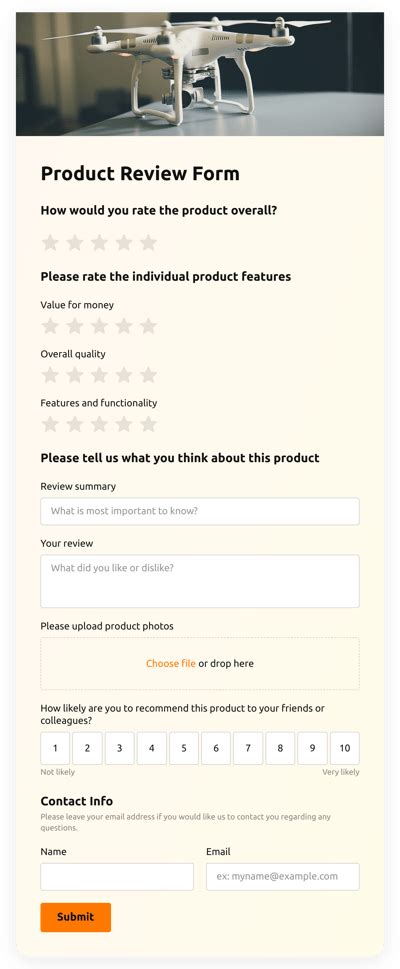
The secret to detailed reviews lies in asking targeted, open-ended questions that gently guide the client’s attention to the core aspects of design elegance and craftsmanship. Here are some categories of prompts and example questions:
- Initial Impression & Sensory Details:
“What were your immediate impressions upon unboxing/first interaction with the product? How did the texture, weight, or visual details contribute to that first moment?” - The ‘Why’ Behind the Appreciation:
“Could you elaborate on a specific design element or handcrafted detail that particularly caught your eye, and why it stands out to you?” - Comparing & Contrasting (Subtlety):
“Compared to similar products you’ve encountered, what unique design choices or indicators of craftsmanship make this item feel distinctly superior or special?” - Functional Elegance & Durability:
“How does the product’s design enhance its usability or everyday experience? Have you noticed any specific aspects of its construction that speak to its long-term durability or timelessness?”

Beyond Questions: Fostering a Reflective Experience
Sometimes, the environment in which a client experiences a product significantly influences their ability to articulate detailed feedback. Brands can proactively create conditions that encourage deeper reflection:
- Showcasing the Product Thoughtfully: Present the item in a way that highlights its craftsmanship – proper lighting, clear display, and accompanying materials that speak to its design philosophy and origin.
- Allowing Ample Time for Interaction: Don’t rush the client. Provide opportunities for them to physically interact with the product, examine its details, and reflect on their experience before asking for feedback.
- Providing a Framework for Evaluation: For highly complex items, a simple printed card outlining key design principles or craftsmanship details can serve as a mental checklist, prompting the client to notice and comment on those specific aspects.

Listening for Nuance and Encouraging Elaboration
When collecting feedback directly (e.g., in person or via video call), your listening skills are as crucial as your prompting. Be prepared to ask follow-up questions to expand on initial comments:
- Active Listening & Non-Verbal Cues: Pay attention to what the client emphasizes, their tone, and even their gestures when describing a feature.
- Asking Follow-Up Questions: If a client says, “The finish is exquisite,” follow up with, “What about the finish makes it exquisite to you? Is it the smoothness, the depth of color, or how it catches the light?”
- Documenting the Details: Ensure you have a method for capturing these rich descriptions accurately, whether through transcription, detailed notes, or audio recording (with consent).

Elevating Your Review Collection
Obtaining detailed reviews on design elegance and craftsmanship from discerning clients is an art, not a science. It requires a thoughtful approach that respects their discerning nature and provides them with the tools and prompts to articulate their sophisticated observations. By focusing on open-ended, targeted questions and creating an environment conducive to reflection, brands can unlock a treasure trove of qualitative feedback.
These detailed reviews not only serve as powerful testimonials, showcasing the true value of your product beyond its price tag, but also provide invaluable insights for continuous improvement and innovation. They transform mere satisfaction into articulate appreciation, a testament to the enduring quality and thoughtful design inherent in your brand’s offerings.