

What prompts yield most descriptive customer reviews about product elegance and craftsmanship?
In the competitive world of e-commerce, customer reviews are gold. While basic feedback on functionality and delivery is helpful, obtaining descriptive insights into a product’s elegance and craftsmanship offers an unparalleled advantage. These qualitative reviews can articulate the unique value proposition, justify premium pricing, and resonate deeply with potential buyers seeking more than just utility. The challenge lies in crafting prompts that guide customers beyond a simple star rating to elaborate on these often-overlooked yet critical attributes.
Understanding the Nuances: Elegance and Craftsmanship
Why Standard Prompts Fall Short
Many standard review prompts tend to focus on ease of use, performance, or value for money. While essential, these questions rarely encourage customers to articulate their experience with a product’s visual appeal, tactile qualities, or the intricate details of its construction. Elegance is subjective and sensory, while craftsmanship speaks to skill, materials, and durability – concepts that require more thoughtful prompting to capture.
The Value of Detailed Feedback
Reviews that highlight a product’s elegance (e.g., its graceful lines, harmonious colors, luxurious feel) or craftsmanship (e.g., precise stitching, seamless finish, durable materials) serve as powerful social proof. They help establish a brand’s reputation for quality, attract discerning customers, and provide marketing teams with authentic language to use in their campaigns. Such reviews can transform a mere product listing into a story of thoughtful design and superior creation.
Crafting Prompts for Aesthetic and Artisanal Insights
Targeting Sensory and Emotional Experiences
The most effective prompts invite customers to engage their senses and emotions. Instead of asking ‘Is it elegant?’, ask ‘How does the product feel in your hand?’ or ‘What first caught your eye about its design?’.
- “Describe the overall aesthetic appeal of [Product Name]. What specific design elements stand out to you?”
- “How does the finish or material quality enhance your experience with the product?”
- “When you unboxed the item, what was your initial impression of its appearance and feel?”
- “Does the product’s design evoke any particular feeling or atmosphere in your space?”
Focusing on Specific Design Elements and Materials
Guide customers to specific aspects rather than broad generalizations. If a product has intricate detailing, ask about it directly.
- “Can you comment on the quality of the stitching/joinery/engraving on [specific part]?”
- “How do the materials used contribute to the product’s overall sense of quality and durability?”
- “Were there any particular details in its construction that impressed you?”
- “How does the product’s design complement or stand out within your current décor/style?”
Encouraging Storytelling and Personal Connection
People love to share stories. Prompts that encourage personal anecdotes about how the product fits into their life or met their expectations can yield incredibly rich details.
- “How has [Product Name] elevated the look or feel of your [room/outfit/routine]?”
- “Imagine describing this product to a friend interested in high-quality items. What would you highlight about its design and build?”
- “Does this product feel like a lasting investment due to its construction and materials? Why or why not?”
Leveraging Open-Ended Questions and Guided Prompts
Beyond Star Ratings: The Power of Qualitative Questions
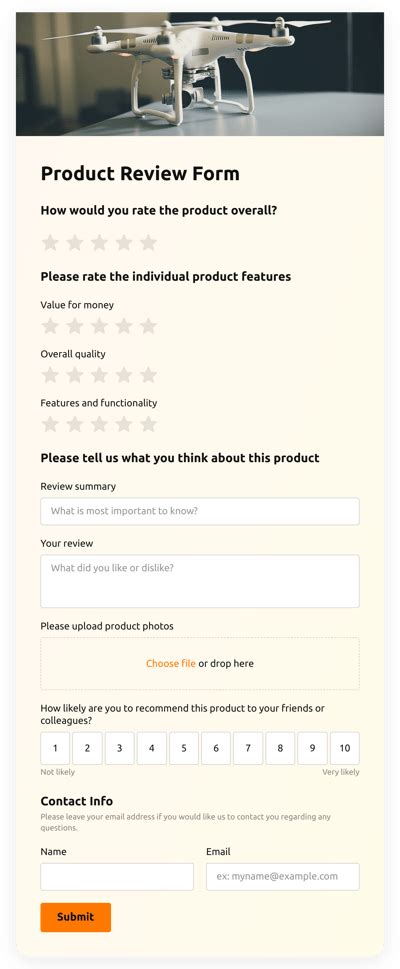
While star ratings are essential, pairing them with open-ended questions is crucial for descriptive feedback. Consider a multi-step review process where initial rating leads to more specific questions.
- “What aspects of the product’s design (e.g., color, shape, texture) do you appreciate most?”
- “Please elaborate on your experience with the product’s build quality. Does it feel sturdy, refined, or meticulously made?”
- “If you could highlight one feature that showcases the product’s quality or artistry, what would it be and why?”

Comparison and Expectation-Setting Prompts
Asking customers to compare their experience with expectations or other products can provide a benchmark for elegance and craftsmanship.
- “Did the product’s elegance and craftsmanship meet or exceed your expectations based on the product images/description?”
- “How does the build quality of this product compare to similar items you’ve owned in the past?”
- “In what ways does this product demonstrate superior craftsmanship compared to mass-produced alternatives?”
Best Practices for Implementing Effective Review Prompts
- Keep it Concise: While you want detail, don’t overwhelm customers with too many questions. Focus on 2-3 key prompts related to elegance and craftsmanship.
- Contextual Timing: Send review requests after the customer has had sufficient time to use and appreciate the product, ideally after a week or two.
- Incentivize Thoughtful Responses: Offer small incentives (e.g., a discount on a future purchase) for reviews that are particularly detailed or include photos/videos, subtly encouraging quality over quantity.
- Make it Easy: Ensure the review submission process is seamless and mobile-friendly.
- Iterate and Optimize: Regularly analyze the reviews you receive to see which prompts are yielding the most valuable insights and adjust your questions accordingly.

Conclusion: Elevating Product Feedback Quality
Gathering descriptive customer reviews about product elegance and craftsmanship is an art that combines thoughtful prompting with strategic implementation. By moving beyond generic questions and focusing on sensory experiences, specific details, and personal narratives, businesses can unlock a wealth of authentic feedback. This not only enriches product descriptions and marketing efforts but also fosters a deeper connection with customers who value quality and design. Investing in well-crafted review prompts is an investment in understanding your product’s true perceived value and building a brand known for excellence.