


What prompts yield reviews detailing product elegance, craftsmanship, and aesthetic appeal?
Encouraging Richer Product Descriptions
In a saturated marketplace, product reviews that go beyond mere functionality are invaluable. While knowing if a product ‘works’ is essential, consumers often seek insights into its qualitative aspects: elegance, craftsmanship, and aesthetic appeal. These details paint a more vivid picture, helping potential buyers connect emotionally with an item and understand its true value. But how do businesses elicit such rich, descriptive feedback from their customers? It starts with asking the right questions.

The Power of Specificity in Prompting
Generic review requests like “What did you think?” typically yield generic responses. To encourage detailed feedback on elegance, craftsmanship, and aesthetics, prompts need to be specific and guide the reviewer’s attention to these qualities. Instead of broad questions, focus on encouraging sensory descriptions and reflective thoughts.
Guiding Attention to Visual and Tactile Elements
One effective strategy is to explicitly ask about the product’s appearance and feel. Questions that prompt a reviewer to articulate their initial impressions or how the product integrates into their environment can be highly effective. For instance, asking “Describe your first impression of the product’s design” or “How does the product look in your home/office?” encourages a focus on aesthetics.
Prompting for Craftsmanship and Quality
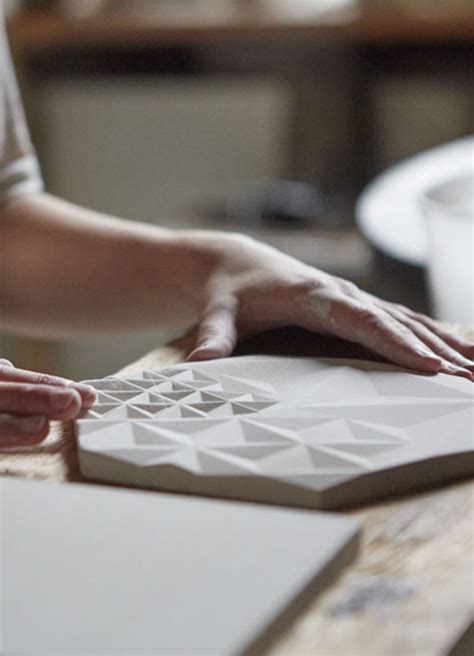
Craftsmanship often relates to the durability, material quality, and attention to detail in a product’s construction. To capture this, prompts should invite reviewers to consider these aspects directly. Consider asking:
- “What specific details stand out regarding the product’s build quality or materials?”
- “How does the craftsmanship contribute to the overall feel and perceived value of the product?”
- “After using it, do you notice any signs of exceptional durability or meticulous construction?”
These questions nudge the reviewer to inspect the item closely and reflect on its construction, rather than just its immediate function.
Eliciting Aesthetic and Emotional Responses
Aesthetic appeal is subjective, but common themes often emerge. Prompts can encourage reviewers to describe the specific design elements they find pleasing or how the product makes them feel. Examples include:
- “Which design elements or colors do you find most appealing, and why?”
- “Does the product elevate the space or experience it’s used in? If so, how?”
- “How does the product’s appearance compare to your expectations based on product photos or descriptions?”
- “Describe the ‘elegance’ or ‘sophistication’ of the product in your own words.”
By using words like ‘elevate,’ ‘sophistication,’ and asking for comparison, businesses can guide reviewers toward deeper aesthetic contemplation.

Integrating Prompts into the Review Process
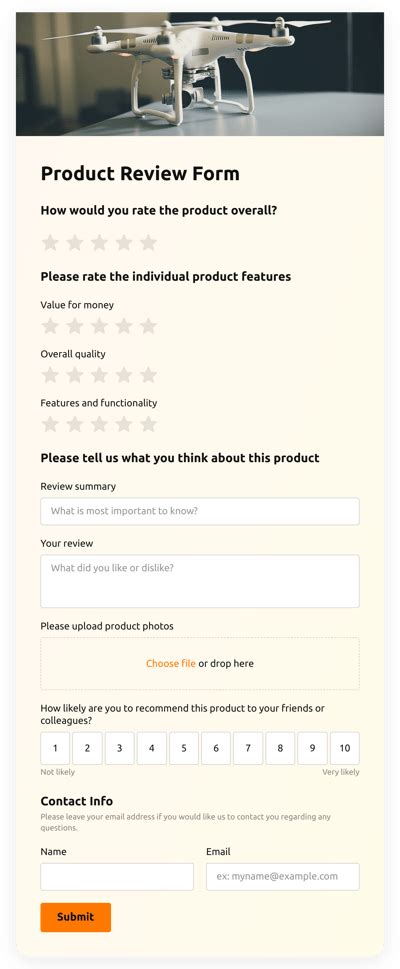
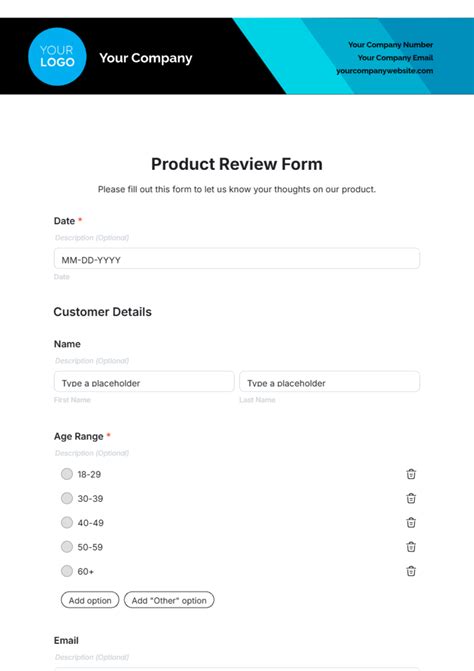
Effective prompts can be integrated into post-purchase email sequences, dedicated review forms, or even within packaging inserts. Presenting a few specific, optional questions related to elegance, craftsmanship, and aesthetics after the main functional review questions can encourage customers to expand their feedback. Offering multiple-choice options for certain aesthetic qualities (e.g., “Which best describes the finish: matte, glossy, satin?”) followed by an open-ended comment box can also gather structured yet detailed input.

Conclusion
Ultimately, fostering reviews that detail product elegance, craftsmanship, and aesthetic appeal requires a deliberate shift from generic feedback requests to targeted, evocative prompts. By asking customers to observe, feel, and reflect on the qualitative aspects of a product, businesses can unlock a wealth of descriptive content. These richer reviews not only enhance a product’s online presence but also provide invaluable insights into customer perception, helping brands refine their offerings and communicate their unique value proposition more effectively.