


What review guide elements best capture the elegance and unique artistry of our designs?

Unveiling the Soul of Design: More Than Just Features
In a world saturated with products, distinguishing true artistry and elegance requires a review guide that transcends a simple bullet-point list of features. Our designs are not merely functional items; they are expressions of creativity, skill, and unique vision. Therefore, the elements within a review must meticulously capture the intangible qualities—the ‘soul’—that make each piece exceptional. The goal is to create a narrative that educates, inspires, and allows the audience to truly appreciate the craftsmanship and artistic intent.

The Visual Language: Beyond Basic Photography
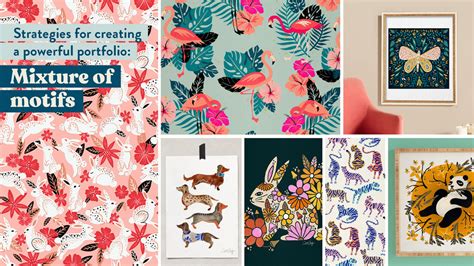
To convey elegance and artistry, visuals are paramount. A review guide should insist on high-resolution photography and potentially videography that goes beyond standard product shots. We need dynamic angles that highlight form, silhouette, and intricate details. Close-ups should reveal textures, joinery, and finishes, underscoring the meticulous attention paid to every surface. Consider incorporating lifestyle shots that demonstrate how the design elevates an environment or interacts with its user, providing context for its beauty and utility. Discussions within the guide should encourage reviewers to articulate the visual impact: the play of light on materials, the balance of proportions, and the overall aesthetic harmony.
The Narrative Thread: Storytelling and Inspiration
Every unique design has a story, an inspiration, or a particular design philosophy behind it. A compelling review guide encourages the exploration of this narrative. Who is the designer? What was their vision for this piece? What cultural, historical, or natural elements inspired its creation? Understanding the genesis of a design adds layers of appreciation, transforming a mere object into a piece of art with a history. Reviewers should be prompted to delve into how the design communicates these stories, allowing the audience to connect with the piece on a deeper, more intellectual and emotional level.

Tactile and Material Exploration: Engaging the Senses
Elegance often lies in the tactile experience and the quality of materials. A review guide should prompt a sensory exploration. How does the material feel to the touch—smooth, rough, cool, warm? What is its weight and balance? Is there a subtle scent? Describing the chosen materials—be it a rare wood, a specially treated metal, or a unique textile—and the craftsmanship involved in shaping them is crucial. Highlighting techniques like hand-finishing, intricate joinery, or bespoke upholstery elevates the perception of value and artistry. This sensory detail helps readers imagine interacting with the design, bridging the gap between a two-dimensional image and a three-dimensional experience.

Contextualizing Impact: Integrating Design into Life
Artistic designs are meant to be experienced, not just observed. A review guide should encourage reviewers to consider the design’s impact within a practical context. How does it enhance its surroundings? Does it evoke a particular mood or feeling when used? For instance, a beautifully crafted chair isn’t just a place to sit; it might be a statement piece, a comfortable retreat, or a focal point of a room. Describing how the design fits into a lifestyle, complements an interior, or solves an aesthetic need helps articulate its elegance and unique value beyond its inherent beauty.

Expert Perspective and Comparative Analysis
For truly capturing artistry, an expert perspective can be invaluable. Review guides should encourage reviewers to apply a discerning eye, potentially drawing on knowledge of design principles, art history, or material science. While direct comparisons to competitors should be handled subtly to maintain focus on our unique offerings, discussing how our designs push boundaries, innovate within their category, or exemplify specific artistic movements can provide significant depth. This analytical layer validates the perceived elegance and demonstrates a deeper understanding of the design’s place in the broader aesthetic landscape.

Conclusion: A Holistic Approach to Appreciation
Ultimately, capturing the elegance and unique artistry of our designs in a review guide requires a holistic approach. It’s about more than just listing specifications; it’s about weaving a rich tapestry of visuals, narratives, sensory descriptions, contextual understanding, and expert analysis. By empowering reviewers with these elements, we ensure that the true essence and distinctive character of each meticulously crafted piece resonate deeply with potential admirers and owners, fostering a profound appreciation for its inherent beauty and creative spirit.