




What review guide elements foster discerning feedback on artistry & elegance?

Beyond Function: The Challenge of Subjective Qualities
In the realm of product reviews, assessing functionality, durability, and value is relatively straightforward. These aspects often lend themselves to objective metrics and clear comparisons. However, when a product’s core appeal lies in its artistry, elegance, or aesthetic refinement, the traditional review framework often falls short. How does one objectively evaluate a handcrafted sculpture, a finely tailored garment, or a meticulously designed piece of furniture? Such products demand a deeper, more discerning level of feedback that delves into subjective experience while still providing actionable insights.
The challenge lies in guiding reviewers to articulate their perceptions of beauty, balance, and creative intent without resorting to vague platitudes. An effective review guide for these items must transcend simple ‘like’ or ‘dislike’ and instead cultivate an environment where nuanced observation and informed interpretation flourish.

Key Elements for Fostering Discerning Feedback
To cultivate reviews that truly capture the essence of artistry and elegance, several critical elements should be integrated into your review guide:
1. Defined Criteria and Rubrics
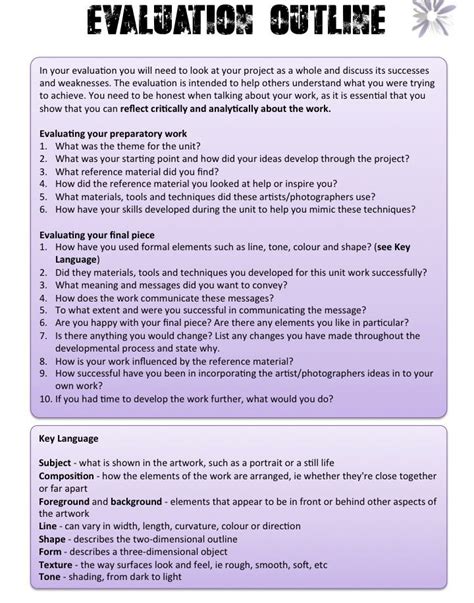
Provide specific, descriptive criteria that reviewers should consider. Instead of asking “Is it beautiful?”, prompt them with questions like: “How does the artist demonstrate balance and proportion?”, “Describe the harmony (or contrast) of materials and textures.”, “Evaluate the quality of the finish and attention to minute details.”, “Does the piece convey a clear theme or narrative?” A qualitative rubric, perhaps with descriptive tiers (e.g., “Exceptional,” “Refined,” “Developing,” “Needs Improvement”) for each criterion, can further guide their assessment.
2. Guided Observational Prompts
Direct reviewers’ attention to specific aspects. Use prompts that encourage close looking and detailed description. Examples include: “Examine the brushstrokes/stitching/carvings – what do they reveal about the maker’s hand?”, “How does the item interact with light?”, “Describe the tactile experience of touching the piece.”, “What emotions or ideas does the artwork evoke in you?” These prompts transform passive viewing into active, analytical engagement.

3. Contextualization and Background Information
Understanding the context can significantly deepen appreciation. Provide reviewers with information about the artist’s inspiration, the cultural or historical significance, the materials used, and the techniques employed. Knowing the story behind a piece can illuminate design choices and foster a more informed assessment of its artistic merit. For instance, explaining the symbolism of certain motifs or the difficulty of a particular craft technique adds layers to the review.
4. Comparative Analysis Opportunities
Encourage reviewers to compare the product against relevant benchmarks, either explicit or implicit. This could involve comparing it to other works by the same artist, similar pieces in the same category, or established design principles. This helps ground subjective opinions in a broader understanding of quality and innovation within the field. For example, asking: “How does this piece differentiate itself from contemporary designs in its category?”

5. Visual Guidance and Terminology
Offer a vocabulary list or visual examples of what constitutes “elegance,” “harmony,” or “craftsmanship” within your specific product domain. Showing examples of excellent and less successful execution can calibrate reviewers’ perspectives. For example, providing images illustrating different types of joinery or fabric drapes can help them identify and articulate quality more precisely.
6. Encouraging Personal Reflection, Grounded in Observation
While objectivity is sought, personal resonance is integral to appreciating artistry. Ask reviewers to reflect on their personal connection to the piece, but always anchor these reflections in concrete observations. For example: “The minimalist design evokes a sense of calm (observation: clean lines, muted colors).” This balances subjective experience with tangible attributes, making the feedback both personal and useful.
Implementing and Refining Your Review Guide
Creating such a guide is an iterative process. Pilot test your guide with a small group of reviewers and gather feedback on its clarity and effectiveness. Refine prompts, criteria, and rubrics based on their input. Consider offering brief training sessions for reviewers to ensure they understand the guide’s intent and how to apply the criteria. Regularly update the guide as new products or artistic trends emerge.

Conclusion
By thoughtfully designing review guides with specific elements tailored to artistry and elegance, we empower reviewers to move beyond superficial impressions. The result is a body of feedback that is rich, descriptive, and genuinely discerning, offering invaluable insights for both creators and consumers who seek products defined by their profound aesthetic appeal.