

What review prompts best capture a product’s artistry, design, and elegance?
Beyond Function: Capturing the Soul of a Product
In a world saturated with products, mere functionality often isn’t enough to stand out. Consumers are increasingly drawn to items that not only perform well but also captivate with their beauty, thoughtful design, and inherent elegance. Yet, traditional review prompts often focus heavily on features, performance, and durability, leaving little room to articulate the more subjective, artistic, and aesthetic qualities that define truly exceptional products. To provide a comprehensive understanding, review platforms must evolve to include questions that delve into the artistry, design philosophy, and sheer elegance of an item.
Capturing these nuanced aspects requires prompts that encourage reviewers to engage with a product on a deeper, more emotional, and sensory level. It’s about shifting the focus from ‘what it does’ to ‘how it makes you feel,’ ‘how it looks,’ and ‘what story it tells.’ This approach enriches the review landscape, offering potential buyers insights that resonate beyond a spec sheet.

The Dimensions of Aesthetic Excellence: What to Ask
To effectively prompt reviewers, it’s crucial to break down artistry, design, and elegance into tangible dimensions. These aren’t abstract concepts but rather a culmination of deliberate choices made by designers and artisans. Here are key areas to explore:
1. Visual Aesthetics and Form Language
This dimension addresses the product’s immediate visual impact. It encompasses its lines, curves, proportions, color palette, and the overall harmony of its visual elements.
- Prompt Example: “Describe the product’s initial visual impact. What striking features or design choices immediately catch your eye?”
- Prompt Example: “How would you characterize the product’s overall form (e.g., minimalist, ornate, futuristic, classic)? Do its lines and proportions feel balanced and harmonious?”
- Prompt Example: “Comment on the color palette and finish. Do they contribute to a sense of elegance, modernity, or warmth?”
2. Tactile Experience and Materiality
Elegance often lies in the tactile qualities and the thoughtful use of materials. How a product feels in the hand, its weight, and the texture of its surfaces are all critical.
- Prompt Example: “How do the materials feel to the touch? Is there a sense of quality, craftsmanship, or luxury in its physical texture?”
- Prompt Example: “Does the product’s weight and balance feel appropriate and contribute to its perceived quality and elegance?”
- Prompt Example: “Are there any specific details in the material use or finish that reveal exceptional artistry or attention to detail?”

3. User Interaction and Intuitive Grace
A truly elegant design isn’t just about looks; it’s about how gracefully and intuitively a user interacts with the product. It’s the ‘aha!’ moment of seamless functionality wrapped in beautiful form.
- Prompt Example: “Does the product’s design make it intuitive and delightful to use? How does the physical interaction feel fluid or natural?”
- Prompt Example: “Are there subtle design elements that enhance usability without being obtrusive?”
- Prompt Example: “Does the product feel ‘engineered with care’ rather than just ‘assembled’?”
4. Emotional Resonance and Storytelling
Artistry often evokes emotion and tells a story, even subtly. An elegant product can make you feel a certain way or convey a particular identity or philosophy.
- Prompt Example: “What emotions does the product’s design evoke in you (e.g., calm, excitement, sophistication, nostalgia)?”
- Prompt Example: “Does the product’s design communicate a sense of heritage, innovation, or a unique brand philosophy?”
- Prompt Example: “Do you feel a personal connection to the product’s aesthetic or the values it seems to represent?”

Crafting Effective Prompts: Specificity and Open-Endedness
The best prompts combine specificity to guide the reviewer with open-endedness to allow for genuine subjective expression. Instead of yes/no questions, encourage descriptive language and personal reflection. Focus on ‘how’ and ‘why’ rather than just ‘what’.
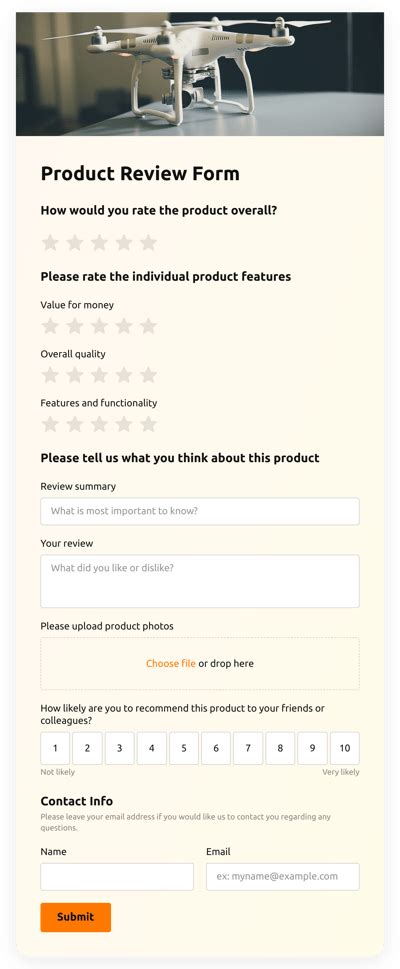
- General Prompt: “Rate the product’s design on a scale of 1-5.” (Too vague)
- Better Prompt: “Beyond its core function, in what specific ways does the product’s design elevate your experience? Consider its form, materials, and ease of interaction.”
Conclusion: Elevating Product Reviews to an Art Form
By integrating thoughtful, descriptive prompts that target a product’s artistry, design, and elegance, review platforms can empower consumers to articulate and share richer, more meaningful feedback. This not only benefits potential buyers seeking products that resonate on an aesthetic and emotional level but also provides invaluable qualitative data for designers and brands striving for excellence beyond mere utility. Ultimately, these prompts help elevate the act of product reviewing itself, transforming it from a functional checklist into an exploration of beauty, craftsmanship, and the profound impact of well-considered design.