


What review prompts best capture product artistry, design, and nuanced user experience?

Beyond the Star Rating: Capturing the Soul of a Product
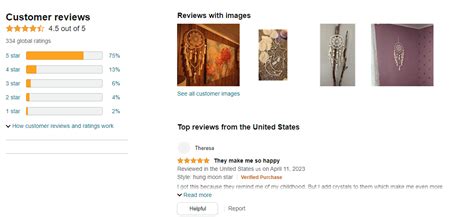
In an age saturated with products, discerning true excellence often requires looking beyond mere functionality and basic satisfaction. Standard star ratings and generic prompts (“Was this product useful?”) rarely scratch the surface of what makes a product truly exceptional—its artistry, thoughtful design, and the subtle, often subconscious, nuances of its user experience. To truly understand and appreciate a product, reviewers need to be guided by prompts that encourage deeper reflection and more qualitative feedback, allowing the product’s true character to shine through.
Unveiling Product Artistry and Craftsmanship
Product artistry isn’t just about how something looks; it encompasses the skill, creativity, and passion poured into its creation. This includes material selection, ergonomic considerations, aesthetic harmony, and the overall tactile experience. Capturing these elements requires prompts that invite sensory descriptions and subjective interpretation.
Prompts for Artistry and Design:
- “Describe the first impression the product made on you. What visual or tactile elements stood out?”
- “How do the materials feel and look? Do they convey quality, durability, or a particular aesthetic (e.g., minimalist, luxurious, rugged)?”
- “In what ways does the design enhance or detract from its intended purpose? Consider its form, lines, and proportions.”
- “If this product were a piece of art, what story would it tell? What emotions or ideas does its aesthetic evoke?”
- “Are there any subtle design details—a particular curve, a button’s texture, a unique finish—that you particularly appreciate or dislike?”

Delving into Nuanced User Experience
The user experience (UX) is more than just ease of use; it’s the entire journey a user takes with a product, encompassing their emotions, frustrations, moments of delight, and overall flow. Nuance lies in the subtle interactions, the intuitiveness (or lack thereof), and how a product integrates into a user’s life. Generic prompts often miss these critical, yet hard-to-articulate, aspects.
Prompts for Nuanced User Experience:
- “Think about a specific moment when you felt delight or frustration while using this product. Can you describe that moment and what caused it?”
- “How does this product make you feel when you interact with it? (e.g., confident, efficient, elegant, clumsy, annoyed)”
- “Describe a ‘flow state’ or a ‘hiccup’ you encountered. Was the product intuitive, or did it require a learning curve you found satisfying or frustrating?”
- “Does the product anticipate your needs, or do you often find yourself working around its limitations? Provide an example.”
- “How does this product integrate into your daily routine? Does it feel like a natural extension, a helpful tool, or an intrusive presence?”

Encouraging Storytelling and Detailed Narratives
The most compelling reviews often come in the form of stories. By encouraging users to narrate their experiences, we tap into a richer vein of qualitative data. Prompts that foster storytelling allow reviewers to connect their personal experiences to the product’s attributes, providing context and depth that bullet points cannot.
Prompts for Storytelling:
- “Walk us through your typical use-case scenario. How does the product perform from start to finish?”
- “Share an anecdote where the product truly surprised you, for better or worse.”
- “Imagine you’re recommending this product to a friend. What specific experience would you highlight to them?”

Combining Quantitative with Qualitative for a Holistic View
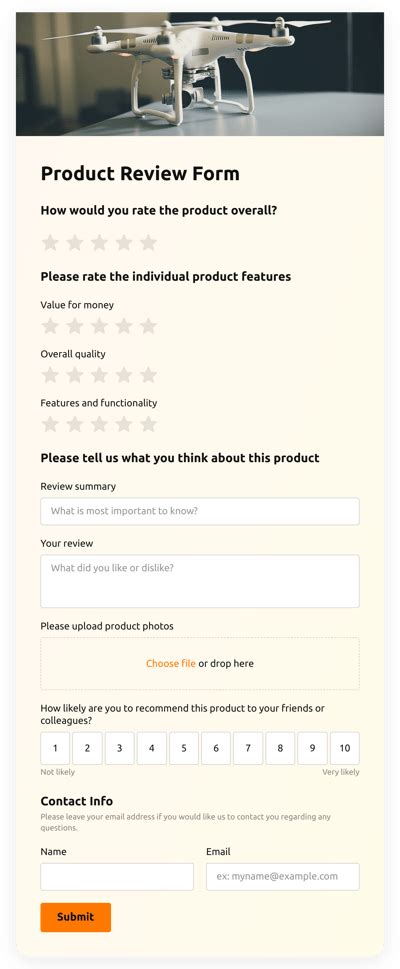
While subjective descriptions are vital, coupling them with targeted quantitative prompts can provide valuable benchmarks and identify common patterns. For example, after asking about “delight,” follow up with a scale from 1-10 on “overall delightfulness.” This allows for both measurable data and the rich context explaining those numbers.
Holistic Prompt Strategy:
- Start broad: “Overall, what was your initial gut feeling about the product?”
- Go deep: Use the artistry, design, and nuanced UX prompts.
- Summarize and rate: “Considering all your experiences, how would you rate the product’s design elegance (1-5)? Its intuitiveness (1-5)? Its ability to evoke positive emotions (1-5)?”
- Open final thoughts: “Is there anything else you’d like to share about your experience that hasn’t been covered?”

Conclusion: The Art of Eliciting Richer Feedback
Moving beyond simplistic feedback mechanisms to embrace prompts that explore artistry, design, and nuanced user experience is crucial for both consumers and creators. For consumers, it provides a more authentic and descriptive understanding of what a product truly offers. For creators, it offers invaluable qualitative data that can drive innovation and refinement, ensuring products are not just functional but genuinely delightful and thoughtfully crafted. By asking the right questions, we elevate the entire review ecosystem from a mere rating system to a platform for true product appreciation and critique.