

What review prompts best capture true craftsmanship & aesthetic value for luxury items?
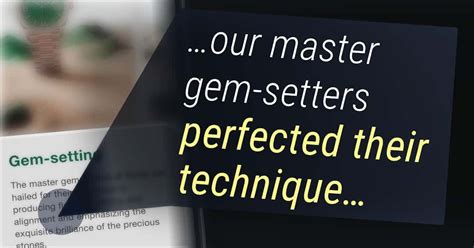
Reviewing luxury items goes far beyond a simple star rating or a list of pros and cons. True luxury isn’t just about price; it’s an intricate tapestry woven from meticulous craftsmanship, exceptional materials, innovative design, and a profound aesthetic appeal. For consumers investing significantly, and for brands striving for excellence, the standard review prompts often fall short, failing to capture the nuanced details that define genuine value.
The Challenge of Articulating Luxury
Traditional review models frequently focus on functionality, ease of use, or basic satisfaction. While important for everyday products, these metrics barely scratch the surface when evaluating a bespoke timepiece, a haute couture garment, or a meticulously designed piece of furniture. The essence of luxury lies in the ‘how’ and the ‘why’ – how it’s made, why certain materials were chosen, and why its design evokes a particular feeling or sense of timelessness. Reviewers need prompts that encourage a deeper, more reflective engagement with the item.
Capturing Craftsmanship: Beyond the Obvious
Craftsmanship speaks to the skill, precision, and dedication involved in an item’s creation. It’s the story told through every stitch, every polish, and every perfectly joined component. To truly assess this, prompts should guide reviewers to:
- Materiality and Sourcing: “Describe the tactile experience of the materials. How do they feel, sound, or even subtly smell? What do these characteristics convey about their quality and origin?”
- Construction and Finish: “Examine a specific joint, seam, or finish. What does it reveal about the maker’s skill, precision, and attention to hidden details? Are there any subtle imperfections that add to its character, or conversely, detract from its perfection?”
- Durability and Longevity: “Beyond initial impressions, how does the item’s construction suggest it will age, wear, and potentially improve over time? Does it feel built to last generations?”
- Artistry in Execution: “Identify a specific element of its construction (e.g., an engraving, a hand-stitched detail, a unique mechanism) that showcases a mastery of technique or an artisan’s signature.”

Appreciating Aesthetic Value: The Language of Beauty
Aesthetic value is subjective yet universally recognized. It’s about more than just looking ‘nice’; it’s about design philosophy, emotional resonance, and cultural context. Effective prompts should draw out a reviewer’s deeper appreciation:
- Design Philosophy and Intent: “What emotions or intellectual impressions does the design evoke? Does it tell a story, challenge conventions, or embody a particular era or artistic movement?”
- Form and Function Harmony: “How does the item’s design interact with its intended use? Is beauty sacrificed for function, or does one elevate the other seamlessly?”
- Timelessness and Originality: “Beyond its current appeal, how do you anticipate the design will age or remain relevant over time? Does it possess an inherent originality or classic elegance that transcends trends?”
- Sensory Impact: “How does the item engage multiple senses? Is there a satisfying weight, a pleasing sound, or a visual harmony that delights the eye from different angles?”
The Experiential Dimension: Ownership and Legacy
Luxury is often an experience that extends beyond the initial purchase. It encompasses the unboxing, the daily interaction, and the pride of ownership. Prompts can explore this holistic journey:
- Unboxing and First Impressions: “Describe the initial unboxing or reveal experience. How did the packaging and presentation contribute to your perception of its luxury and exclusivity?”
- Integration into Life: “How does owning this item enhance your appreciation for fine artistry, engineering, or a particular lifestyle? Does it spark joy or contemplation during its use?”
- Story and Provenance: “Does the brand’s history, the designer’s vision, or the item’s unique origin story add to its perceived value and aesthetic appeal for you?”

Conclusion: Elevating the Discourse
By employing these thoughtful and probing review prompts, we can move beyond superficial assessments to cultivate a richer, more meaningful dialogue around luxury items. Such reviews not only provide invaluable insights for potential buyers but also serve as a powerful testament to the artisans and designers who pour their passion and expertise into creating objects of enduring beauty and exceptional quality. It’s about fostering a culture where true craftsmanship and aesthetic brilliance are not just observed, but deeply understood and eloquently articulated.