
What review prompts best elicit descriptions of design, elegance & artistry?
In the competitive world of product design and marketing, understanding how customers perceive a product’s aesthetic value – its design, elegance, and artistry – is crucial. While functional feedback is relatively easy to obtain, eliciting rich, descriptive accounts of a product’s visual and tactile appeal often proves challenging. Standard ‘star ratings’ or simple ‘was it easy to use?’ questions fall short. The key lies in crafting specific, evocative prompts that guide reviewers to articulate their sensory and emotional experiences.
The Challenge of Articulating Aesthetics
Many consumers struggle to translate their subjective appreciation for beauty or sophisticated design into concrete language. They might know a product ‘looks good’ or ‘feels luxurious,’ but lack the vocabulary or mental framework to explain why. Effective prompts must bridge this gap, encouraging them to move beyond superficial observations and delve into the specifics of form, material, finish, and the overall impression a product makes.
Crafting Prompts for Design Appreciation
Focusing on Sensory Experience
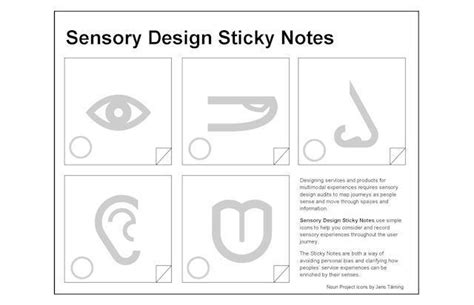
Design is inherently sensory. Prompts that tap into touch, sight, and even sound can unlock deeper descriptions. Instead of asking ‘Do you like the design?’, try:
- “How does the product feel in your hands? Describe its texture, weight, and ergonomics.”
- “Walk us through the first impression the product made visually. What elements immediately caught your eye?”
- “Describe the quality of the materials used. Do they contribute to a sense of luxury or durability?”
Evoking Elegance and Artistry
To capture elegance and artistry, prompts should encourage reflection on the product’s overall presence and the designer’s intent:
- “Beyond its function, what emotion does the product’s design evoke in you? Is it calming, exciting, sophisticated?”
- “If this product were a piece of art, what kind would it be? What story does its form tell?”
- “How does the product’s aesthetic integrate with your personal style or home décor? Does it elevate its surroundings?”
- “Are there any subtle design details that you particularly appreciate or that make the product feel unique?”

Guiding Observational Detail
Sometimes, reviewers just need a little guidance on what to observe. Prompting them to break down the design can be effective:
- “Consider the lines and curves of the product. How do they contribute to its overall flow and visual balance?”
- “How does the finish (matte, glossy, brushed) impact the product’s perceived elegance or durability?”
- “Are there specific elements of its construction or assembly that speak to its craftsmanship?”
The Power of Open-Ended Questions and Context
The most effective prompts are open-ended, inviting narrative rather than simple yes/no answers. Providing a small amount of context can also be beneficial, for example, ‘We designed this with a focus on minimalist elegance. How well do you think we achieved that?’
Best Practices for Implementation
- Mix and Match: Use a combination of sensory, emotional, and detail-oriented prompts.
- Optional Fields: Make these descriptive prompts optional to avoid overwhelming reviewers who just want to leave a quick rating.
- Examples: Provide a few example words or phrases to spark ideas, without being too leading.
- Follow-up: If possible, enable follow-up questions for particularly insightful reviews.
By thoughtfully designing review prompts, businesses can empower customers to articulate the beauty, sophistication, and artistic merit of their products. This not only provides invaluable qualitative data for product development and marketing but also fosters a deeper connection between the consumer and the brand, moving beyond mere transactions to shared appreciation for well-crafted design.