


What review prompts best elicit details on craftsmanship and bespoke product experience?
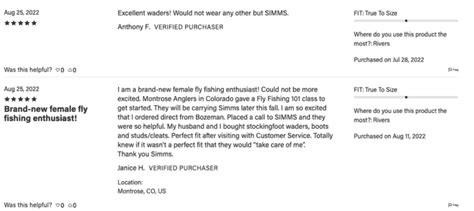
In the age of online commerce, customer reviews are paramount. However, for products where craftsmanship and a bespoke experience are key selling points, generic star ratings and one-line comments fall short. Businesses specializing in custom-made items, handcrafted goods, or premium artisan products need more than just “good product”; they require detailed feedback that captures the essence of their unique offering. Eliciting rich, descriptive reviews not only helps potential buyers understand the true value of an item but also provides invaluable insights for continuous improvement.
Why Specific Feedback Matters for Artisanal Goods
For mass-produced items, reviews often focus on price, basic functionality, and delivery speed. But for bespoke and handcrafted products, the narrative shifts dramatically. Customers invest in the story, the materials, the skill, and the personalization. A review that neglects these elements fails to convey the product’s true worth. Detailed feedback can highlight:
- The quality of materials used and their feel.
- The artisan’s attention to detail and skill.
- The uniqueness and customizability of the item.
- The personalized customer journey from order to delivery.
- The longevity and durability, reflecting true craftsmanship.
Such specific insights build trust, differentiate the product in a crowded market, and serve as powerful testimonials that resonate deeply with prospective buyers looking for something truly special.
The Pillars of Craftsmanship and Bespoke Experience
Before crafting effective prompts, it’s crucial to understand what customers value most in these categories. Craftsmanship speaks to the skill involved, the quality of execution, and the materials. A bespoke experience encompasses the journey – consultation, customization options, communication, and how well the final product reflects the customer’s vision.
Key Aspects to Probe:
- Material Quality: Texture, appearance, durability, sourcing.
- Attention to Detail: Flawless finishes, intricate work, precise seams, perfect alignment.
- Design Integrity: How well the design functions and looks, its uniqueness.
- Customization Process: Ease of communication, clarity of options, accuracy of personalization.
- Overall Feel & Experience: How the product feels to use, its emotional impact, how it aligns with expectations.

Effective Prompt Categories and Examples
To move beyond superficial feedback, prompts should be open-ended, specific, and guide the reviewer’s attention to the intrinsic qualities of the product and service.
1. Material & Quality Assessment
- “Describe the quality and feel of the materials used in your product. Did they meet your expectations?”
- “How would you rate the durability and finish of the item? Are there any specific details that stood out?”
- “Did the product’s construction or materials give you confidence in its longevity?”
2. Attention to Detail & Craftsmanship
- “What specific details or aspects of the craftsmanship impressed you the most?”
- “Did you notice any particular elements that showcased the artisan’s skill or care?”
- “How does the finish (e.g., stitching, carving, polishing) compare to other similar products you’ve owned?”
3. Bespoke & Customization Experience
- “Please describe your experience with the customization process. Was it easy to communicate your preferences?”
- “How well did the final product match your personalized vision or specifications?”
- “Were there any aspects of the custom-making process that particularly delighted you?”
- “How did the communication with the creator contribute to your overall satisfaction?”
4. Functionality & User Experience
- “Beyond its appearance, how does the product perform in its intended use? Is it comfortable, practical, or efficient?”
- “Does the design enhance its functionality or user experience in any specific ways?”
5. Overall Value & Recommendation
- “Considering the craftsmanship, materials, and bespoke experience, do you feel this product offers good value?”
- “Would you recommend this artisan/brand to someone seeking a similar handcrafted or custom item? Why or why not?”

Best Practices for Implementation
Simply having the right prompts isn’t enough; how and when they are asked also matters.
- Keep it Concise: While detailed, avoid overwhelming reviewers with too many questions at once. Group them logically.
- Use Open-Ended Questions: Avoid yes/no questions. Encourage narrative answers.
- Timing is Key: Send review requests after the customer has had ample time to use and appreciate the product (e.g., a week or two after delivery).
- Personalize the Request: If possible, reference the specific custom elements of their order in the review request.
- Offer Incentives (Optional): A small discount on a future purchase can encourage more detailed responses, though authenticity should always be prioritized.

Conclusion
For businesses built on the principles of craftsmanship and bespoke creation, generic reviews are a missed opportunity. By strategically implementing thoughtful and specific review prompts, brands can empower their customers to articulate the true value of their unique offerings. These detailed testimonials not only serve as potent marketing tools but also provide invaluable feedback that fosters continuous improvement and strengthens the connection between creator and consumer. Investing time in crafting the right questions pays dividends in richer insights and a more vibrant community around your exceptional products.