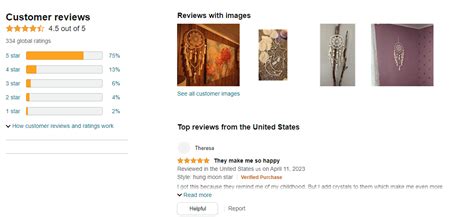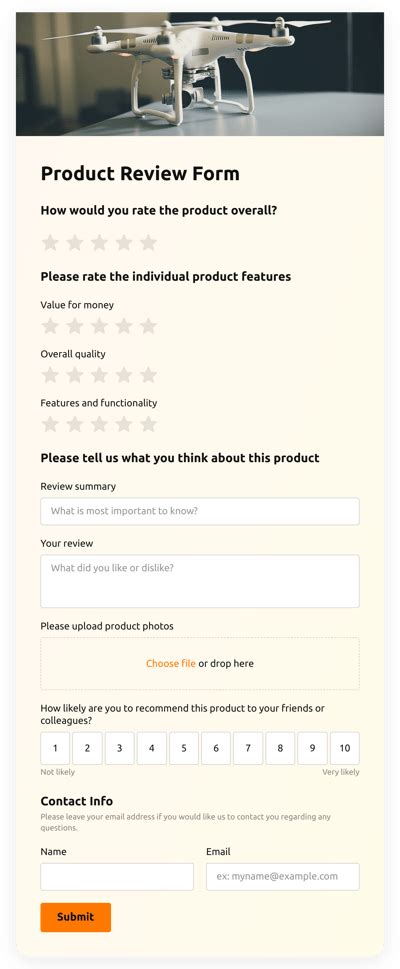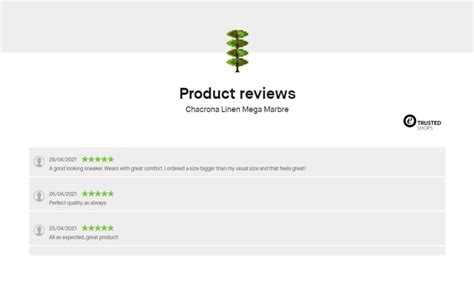
What review prompts best elicit details on our product’s unique artistry and elegance?
For products where artistry and elegance are core differentiators, generic review questions often fall short. They might capture functional satisfaction but miss the profound impact of design, craftsmanship, and aesthetic appeal. Eliciting rich, descriptive feedback on these subjective qualities requires a thoughtful approach to prompt design, guiding customers to articulate their deeper experiences and observations.
The Nuance of Artistry and Elegance in Product Feedback
Artistry and elegance are inherently qualitative, residing in the subtle interplay of form, material, texture, and emotional resonance. Unlike features that can be objectively rated, these aspects speak to a product’s soul and its ability to inspire or delight. Customers often ‘feel’ elegance without consciously breaking down why. Our goal is to provide the vocabulary and framework for them to express these feelings and observations in detail.
Traditional review prompts like ‘How would you rate the product?’ or ‘What did you like most?’ are too broad. They might garner a ‘beautiful’ or ‘elegant’ but lack the specifics needed for actionable insights or compelling testimonials. To truly understand how your product’s unique aesthetic impacts users, we need to prompt for specific details that reveal perceived value and thoughtful design.
Crafting Prompts for Deeper Aesthetic Insights
Effective prompts are open-ended, specific, and encourage descriptive language. They should gently guide the reviewer’s attention to the sensory and emotional dimensions of the product.
Focusing on Sensory Experience and First Impressions
The initial interaction with a product – from unboxing to first touch – is crucial for forming aesthetic judgments. Prompts here should tap into sight, touch, and even sound, depending on the product.
- Visual Impact: “Describe your initial visual impression of [Product Name] when you first unboxed it. What specific design elements or details immediately caught your eye?”
- Tactile Experience: “How does the texture or material quality of [Product Name] contribute to its overall feel of luxury or craftsmanship? Please describe your tactile experience.”
- Overall Ambiance: “How does [Product Name] integrate into and enhance the aesthetic of your personal space or environment? Does it create a particular mood or atmosphere?”
Highlighting Design Elements and Craftsmanship
These prompts encourage reviewers to think like a designer or an artisan, focusing on the intentional choices behind the product’s creation.
- Specific Design Features: “Which particular design element – perhaps a curve, a joint, an engraving, or a unique finish – do you find most striking or indicative of its artistry? Why?”
- Perceived Quality & Craft: “Can you identify any aspects of the product’s construction or materials that particularly impressed you and speak to its high quality or craftsmanship?”
- Innovation in Design: “In what ways does [Product Name]’s design feel innovative or distinct from other similar products you’ve encountered?”

Eliciting Emotional and Experiential Responses
Elegance often evokes an emotional response or enhances the user’s personal identity or aspirations. These prompts aim to uncover that deeper connection.
- Emotional Connection: “How does interacting with [Product Name] make you feel? Does it evoke a sense of pride, sophistication, tranquility, or something else?”
- Statement Piece: “Do you feel [Product Name] makes a statement in your home or on your person? If so, what kind of statement?”
- Timelessness: “Does the design of [Product Name] feel timeless or trend-setting? What makes you say that?”

Comparative and Contextual Prompts
Asking users to implicitly compare or contextualize the product can help them articulate its unique value without directly naming competitors.
- Distinction: “Compared to other items in its category (without naming brands), how does the aesthetic and overall elegance of [Product Name] stand out?”
- Value Perception: “Considering its artistry and design, do you feel [Product Name] offers exceptional aesthetic value? Please elaborate.”
Analyzing the Rich, Qualitative Feedback
Once you’ve collected detailed feedback, the next step is to analyze it for patterns, recurring language, and specific insights. Look for common descriptors of beauty, elegance, and craftsmanship. These phrases can be invaluable for marketing copy, product development, and understanding your brand’s unique perceived aesthetic value.

Key Takeaways for Designing Effective Aesthetic Prompts
- Be Open-Ended: Avoid yes/no questions.
- Be Specific: Guide attention to particular aspects (materials, finishes, forms).
- Use Evocative Language: Employ words like ‘artistry,’ ‘craftsmanship,’ ‘sophistication,’ ‘elegance,’ ‘design details.’
- Encourage Storytelling: Ask reviewers to describe their experience, not just rate it.
- Target Sensory & Emotional Responses: How does it look, feel, and make them feel?
- Avoid Leading Questions: Frame questions neutrally to avoid influencing the answer.

By thoughtfully crafting your review prompts, you empower your customers to articulate the unique artistry and elegance that define your product. This not only provides invaluable insights for your brand but also generates authentic, compelling testimonials that resonate with prospective buyers who value these qualities above all else.