

What review prompts best elicit feedback on product artistry & elegance?

In the competitive landscape of product development, functionality and performance are often the primary focus of user reviews. However, for products where aesthetics, craftsmanship, and overall elegance play a pivotal role – be it high-end fashion, artisanal goods, premium electronics, or luxury home decor – capturing feedback on their “artistry” becomes paramount. This subjective quality, though challenging to quantify, profoundly influences perceived value and customer satisfaction. The right review prompts can unlock invaluable insights into how users perceive and appreciate a product’s design language and sophistication.
The Challenge of Quantifying Artistry and Elegance
Direct questions like “Is it elegant?” often yield superficial answers. Artistry and elegance are deeply personal and experiential. They encompass visual appeal, tactile quality, perceived craftsmanship, and the emotional resonance a product evokes. To truly understand these aspects, review prompts need to encourage descriptive, reflective, and even emotive responses, guiding users to articulate what they see, feel, and think beyond mere utility.
Open-Ended & Evocative Prompts for Initial Impressions
Starting with broad, inviting questions allows users to freely express their initial and most potent reactions to a product’s design. These prompts aim to capture the “wow factor” or the subtle allure that might not be immediately apparent.
- “What first caught your eye or attention about this product’s design?”
- “Describe the overall ‘vibe’ or aesthetic impression you get from this product.”
- “How does its appearance contribute to your overall experience or feeling when you use/view it?”
Sensory & Experiential Prompts for Deeper Engagement
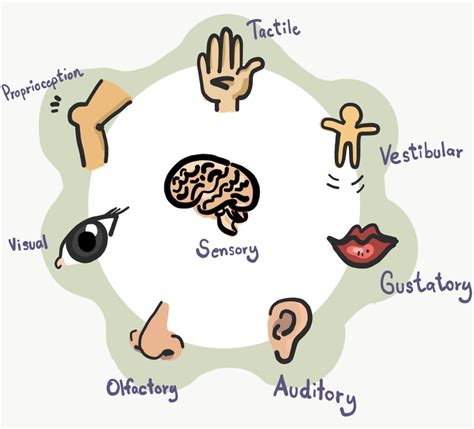
Elegance isn’t just visual; it’s often multi-sensory. Prompts that encourage users to think about texture, weight, balance, and even sound (where applicable) can reveal a deeper appreciation for craftsmanship and material quality. These questions help users move beyond surface-level observations.
- “Beyond its visual appeal, how does the product’s texture, weight, or the feel of its materials enhance its sense of quality or luxury?”
- “Imagine showing this product to a friend. What specific details about its craftsmanship or design would you highlight?”
- “Does interacting with this product (holding it, opening it, using its controls) feel intuitive and refined? How so?”
Comparative & Contextual Prompts for Perceived Value
Placing a product within a broader context can help users articulate its unique aesthetic advantages. Comparing it to alternatives, or considering its role in a specific environment, can highlight why its design stands out or integrates seamlessly.
- “How does the design of this product compare to other similar items you’ve encountered, specifically in terms of sophistication, uniqueness, or timelessness?”
- “Where do you envision this product fitting best in your home or daily routine, and why does its appearance matter in that particular setting?”
- “Does its design make it feel like a statement piece or something that blends in harmoniously? Elaborate.”
Specific Design Element Prompts for Detailed Feedback
Sometimes, asking about particular features can unlock detailed feedback. These prompts guide users to focus on individual components that contribute to the overall artistry.
- “Focus on a specific design element (e.g., the finish, the curvature, the material choice, the color palette). How does it contribute to the product’s overall artistry or elegance?”
- “If you could use one word to describe its visual appeal, what would it be and why?”
- “Are there any subtle design choices that you particularly appreciate or find innovative?”

Emotional Resonance Prompts for Deep Connection
Ultimately, artistry often connects with emotion. Prompts that delve into the feelings a product evokes can reveal the deepest level of appreciation for its design and its impact on the user’s perception of value.
- “Does this product evoke any particular mood, feeling, or memory when you look at it or use it?”
- “In what way does its design elevate your perception of its quality, value, or status?”
- “Does its aesthetic inspire confidence, joy, calm, or something else?”
Conclusion: Unlocking Deeper Design Insights
Eliciting feedback on product artistry and elegance requires a thoughtful approach that goes beyond standard functional reviews. By crafting prompts that are open-ended, sensory-focused, comparative, specific to design elements, and emotionally resonant, companies can gather rich, qualitative data. This deeper understanding of customer perception regarding aesthetics is crucial for refining design strategies, enhancing brand image, and ultimately creating products that not only perform well but also captivate and delight through their inherent beauty and sophistication.