

What review prompts best reveal the exquisite craftsmanship and aesthetic appeal?

The Art of Eliciting Detailed Feedback
In the vast landscape of online shopping and product evaluation, generic reviews like “It’s good” or “I like it” fall short, especially when assessing items where craftsmanship and aesthetic appeal are paramount. For products ranging from artisan furniture to high-tech gadgets, the true value often lies in the intricate details, the quality of materials, and the thoughtful design. Crafting review prompts that specifically guide users to articulate these nuances is crucial for both prospective buyers and manufacturers seeking meaningful feedback.
Focusing on Craftsmanship: Beyond the Surface
Craftsmanship speaks to the skill, precision, and care invested in a product’s creation. It encompasses material selection, construction techniques, and the flawless execution of intricate designs. To uncover these details, prompts must encourage close examination and descriptive language.
Materials and Construction Quality
- “Describe the tactile feel and visual quality of the primary materials. Do they convey durability, luxury, or sustainability?” This prompts reviewers to go beyond mere identification and evaluate the material’s perceived quality.
- “Examine the seams, joints, stitching, or connections. How precise and robust do they appear? Are there any signs of hurried assembly or unevenness?” This directs attention to critical areas often indicative of manufacturing quality.
- “If applicable, discuss the weight and balance of the product. How does it contribute to the overall sense of quality or stability?” For many items, heft and balance are key indicators of thoughtful engineering and material density.
Finish and Attention to Detail
- “Are there any imperfections in the finish (e.g., paint, polish, sanding, carving)? How consistent is the quality across the entire product surface?” This pushes reviewers to scrutinize the final presentation.
- “Consider any intricate details or embellishments. How well are they executed? Do they enhance or detract from the overall design?” This focuses on the finer points that often define exquisite craftsmanship.
- “Does the product show evidence of hand-finishing or machine precision? How does this impact its perceived value?” This helps differentiate between mass-produced and artisan goods.
Unveiling Aesthetic Appeal: The Visual and Sensory Experience
Aesthetic appeal is subjective but can be guided by prompts that encourage articulate descriptions of design elements, emotional responses, and sensory experiences. It’s about understanding why something looks good, or how its design communicates its purpose or personality.
Design Language and Harmony
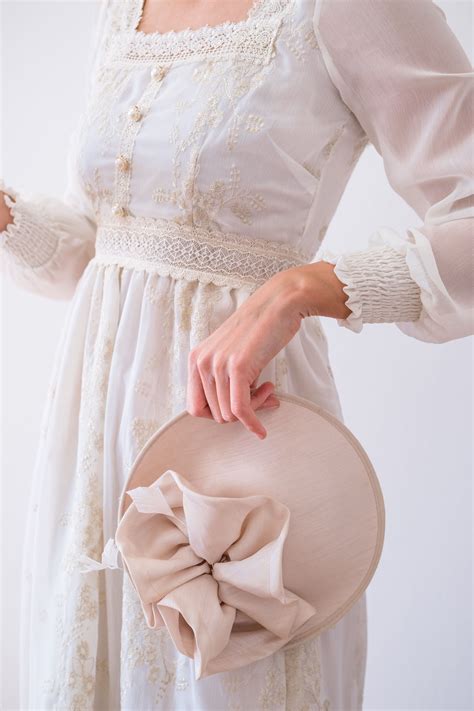
- “How well do the various design elements (shape, color, texture, lines) work together? Does the product have a cohesive and harmonious appearance?” This asks for an evaluation of design unity.
- “Describe the product’s overall style. Does it evoke a particular era, mood, or design philosophy (e.g., minimalist, ornate, futuristic, rustic)?” This helps categorize and understand its visual identity.
- “How does the product look in different lighting conditions or environments? Does its appearance change or adapt?” This considers the product’s versatility and presence.
Sensory Impact and Emotional Response
- “Beyond sight, how does the product engage other senses (e.g., scent of leather, sound of a mechanism, warmth of wood)?” This encourages a multi-sensory evaluation.
- “What overall feeling or mood does the design convey to you (e.g., sophistication, playfulness, robustness, tranquility)?” This taps into the emotional resonance of the design.
- “How does the product integrate into your personal space or lifestyle? Does its design enhance or complement its surroundings?” This links aesthetics to practical application and user experience.
Crafting Effective Prompts: Best Practices
To maximize the quality of responses, prompts should be:
- Open-Ended: Avoid yes/no questions. Encourage detailed explanations.
- Specific: Pinpoint exact areas of the product for examination.
- Guiding, Not Leading: Suggest areas of focus without dictating an answer.
- Action-Oriented: Use verbs that encourage interaction and observation (e.g., “examine,” “describe,” “consider”).
By implementing these types of review prompts, businesses can gather invaluable insights into how their products are truly perceived, allowing them to refine designs, improve manufacturing, and better market the unique selling points that set their creations apart. For consumers, it empowers them with a richer tapestry of information, moving beyond superficial impressions to a deeper appreciation of quality and design.

Conclusion
Moving beyond generic feedback to detailed reviews of craftsmanship and aesthetic appeal requires thoughtful prompt design. By guiding reviewers to meticulously examine materials, construction, finish, and the overall design language, we unlock a wealth of information that truly reflects a product’s quality and desirability. These specific, open-ended questions not only benefit prospective buyers but also provide manufacturers with actionable insights, ultimately elevating the standard of product evaluation in the digital age.