

What review prompts boost detailed feedback on product elegance & artistry?

Unlocking Deeper Insights into Product Design
In a marketplace increasingly saturated with options, a product’s functional utility is often just one piece of the puzzle. For many premium, luxury, or artisan goods, qualities like elegance, artistry, and aesthetic appeal are paramount differentiators. However, soliciting detailed, articulate feedback on these subjective yet crucial attributes from customers can be challenging. Standard review prompts often yield superficial responses, leaving product designers and marketers without the rich insights needed to refine their craft.
Understanding how to prompt reviewers effectively to articulate their perceptions of a product’s beauty, sophistication, and artistic merit is key to not only improving design but also understanding its emotional resonance with the target audience. This article delves into specific strategies and prompts designed to encourage more profound and descriptive feedback on these elusive qualities.

The Value of Aesthetic Feedback
Why go to such lengths for feedback on “elegance” or “artistry”? For products where form is as important as function—think high-end jewelry, bespoke furniture, handcrafted ceramics, or designer apparel—the aesthetic appeal is often the primary driver of purchase intent and brand loyalty. Generic feedback like “It looks nice” or “I like it” provides little actionable intelligence. Designers need to know why it looks nice, what specific elements evoke that feeling, and how it contributes to the overall user experience.
Detailed aesthetic feedback can inform material choices, color palettes, form language, finishing techniques, and even packaging design. It helps brands understand if their artistic vision is translating effectively to the consumer and if the product is truly embodying the intended level of sophistication or craftsmanship.
Beyond the Generic: Crafting Targeted Prompts
To move past superficial comments, prompts must be carefully constructed to guide the reviewer towards specific aspects of design and encourage descriptive language. They should encourage introspection and the articulation of sensory and emotional experiences.
Focus on Sensory Experience & Materiality
Encourage reviewers to describe what they see, touch, and even how the product makes them feel physically. This taps into the immediate, tangible aspects of elegance and artistry.
- “Describe the texture and feel of the [material] used. How does it contribute to the product’s overall sense of luxury or craftsmanship?”
- “When you first saw the product, what visual elements immediately captured your attention (e.g., lines, curves, finish, color palette)?”
- “How does the weight and balance of the product feel in your hand? Does it enhance your perception of its quality?”

Evoke Emotion & Impression
Elegance and artistry are deeply connected to emotion. Prompts that explore these feelings can yield rich qualitative data.
- “What initial emotion or impression did the product evoke in you upon unboxing/first viewing?”
- “Does the product convey a sense of sophistication, simplicity, boldness, or a different aesthetic? Please elaborate.”
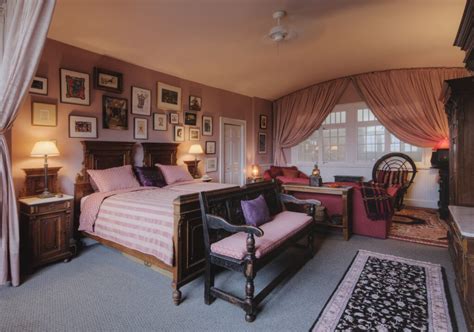
- “How does the product fit into the aesthetic of your home or personal style? Does it elevate the space/look?”
Highlight Specific Design Elements & Details
Directing attention to particular features can help reviewers notice and comment on the nuances of design.
- “Consider the subtle details, such as the [specific joint/stitch/engraving]. How do these small touches contribute to the product’s overall artistry?”
- “Describe the interplay of light and shadow on the product’s surface. What effect does this create?”
- “How does the choice of [specific color/finish] enhance or detract from the product’s elegance?”

Comparative & Contextual Prompts
Asking reviewers to compare or place the product in a context can help them articulate specific strengths or weaknesses.
- “Compared to similar products you’ve encountered, what makes this design stand out (or not stand out) in terms of elegance or unique artistry?”
- “If you were to display this product, where would it fit best in your environment, and why? What mood does it help create?”
- “Does the product live up to your expectations of its artistry or elegance based on its visual presentation online or branding?”

Implementing Review Prompts Effectively
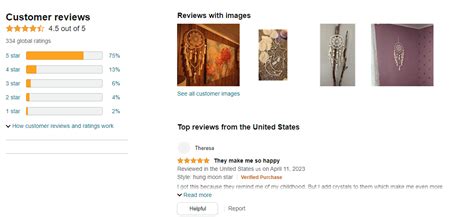
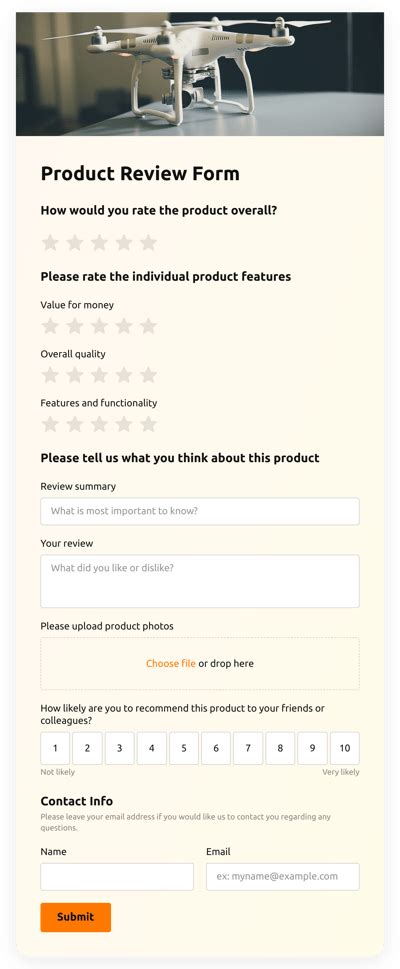
Beyond the prompts themselves, consider the review platform’s design. Providing ample space for open-ended responses, perhaps even allowing image/video uploads to illustrate points, can further encourage detailed feedback. Optionally, categorizing review fields (e.g., “Aesthetic Appeal,” “Craftsmanship,” “Functionality”) can guide users. Offering incentives for highly detailed or photo-rich reviews can also boost engagement.
Conclusion
Eliciting meaningful feedback on abstract qualities like elegance and artistry requires a thoughtful approach to review prompting. By guiding customers to reflect on sensory experiences, emotional responses, specific design elements, and contextual fit, brands can gather invaluable insights. These insights empower designers to create products that not only perform well but also deeply resonate with consumers on an aesthetic and emotional level, ensuring their artistic vision is truly appreciated and understood.