

What review prompts elicit authentic, detailed feedback on craftsmanship & elegant design?
Beyond the Star Rating: Unlocking Deeper Insights
In the world of product reviews, a five-star rating tells only a fraction of the story. For products where craftsmanship and elegant design are paramount—think artisan goods, high-end electronics, or luxury fashion—generic satisfaction scores fall woefully short. Customers often struggle to articulate what makes a product truly exceptional, resorting to vague descriptors like “great” or “nice.” The challenge for businesses is how to guide reviewers to provide the nuanced, qualitative feedback that illuminates the artistry and thoughtful engineering behind a product.
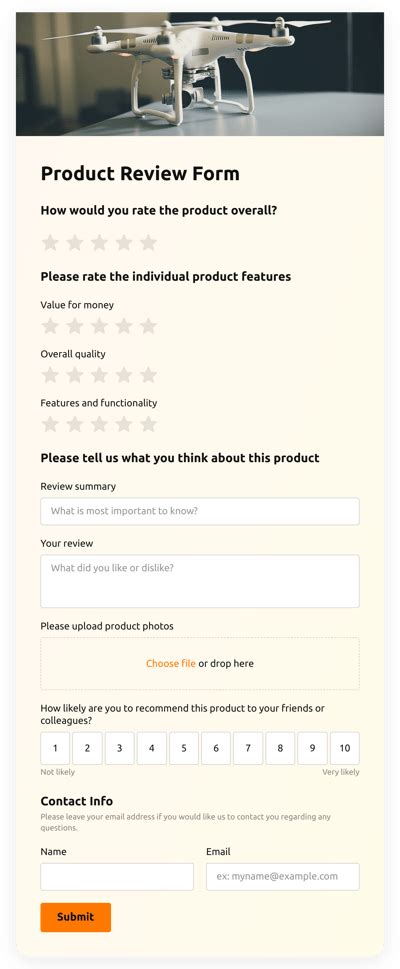
Eliciting authentic, detailed feedback on craftsmanship and design requires a deliberate shift from broad questions to targeted prompts that encourage observation, reflection, and storytelling. It’s about moving beyond the functional and diving into the aesthetic, tactile, and emotional connection a user has with a product.

The Pitfalls of Vague Questions
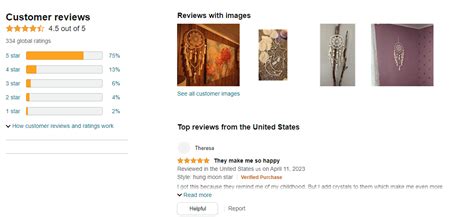
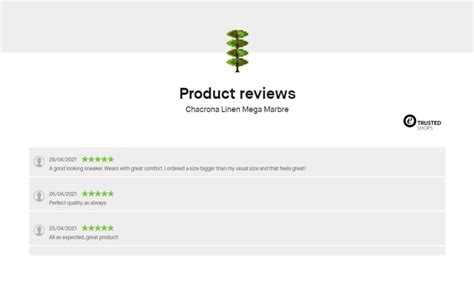
Traditional review systems often rely on prompts like “Rate your overall satisfaction” or “What did you like/dislike?” While these serve a purpose, they rarely yield the kind of insights that help refine design, highlight unique selling points, or inspire other potential buyers who value quality and aesthetics. Reviewers might mention a product “looks good,” but fail to explain *why* it looks good or how specific design choices contribute to that perception.
To capture the essence of craftsmanship and elegant design, prompts must be designed to focus the reviewer’s attention on specific attributes, encouraging them to think critically about their experience rather than just recalling a general feeling.
Crafting Prompts for Qualitative Feedback
Effective prompts are typically:
- Specific: They pinpoint a particular aspect (e.g., material, finish, weight, visual balance).
- Open-Ended: They cannot be answered with a simple ‘yes’ or ‘no’ or a numerical rating.
- Evocative: They encourage sensory descriptions and emotional responses.
- Comparative: They invite the reviewer to compare the product to others, either implicitly or explicitly.

Focusing on Materials and Build Quality
Craftsmanship often begins with the choice and execution of materials. Prompts should guide users to consider the tangible aspects:
- “Describe the tactile experience of holding or using the product. What about the materials suggests durability, luxury, or quality?”
- “Are there any specific details in the construction (e.g., seams, joints, finish, weight distribution) that stand out to you? How do they contribute to your perception of quality?”
- “If you could inspect one hidden part of this product, what would you expect to find, and why?”
Unpacking Aesthetics and Visual Appeal
Elegant design goes beyond mere attractiveness; it’s about harmony, thoughtfulness, and sometimes, subtle ingenuity. Encourage reviewers to articulate the ‘why’ behind their visual appreciation:
- “Which specific design elements contribute most to its elegant or distinctive appearance? (e.g., color palette, curves, lines, proportions)”
- “Does the product evoke any particular feeling or style (e.g., minimalist, luxurious, rustic, futuristic)? How do the visual design choices achieve this?”
- “How does the product look in different settings or lighting conditions? Does its aesthetic appeal hold up, or even improve?”

Evaluating User Experience and Practical Elegance
True design elegance often manifests in the seamless integration of form and function. Prompt users to reflect on how design impacts usability:
- “How does the product’s design enhance or hinder its functionality in daily use? Provide an example.”
- “Are there subtle design features (e.g., button placement, grip texture, interface layout) that make the product more intuitive or enjoyable to interact with?”
- “Does the product’s design make it feel more personal, efficient, or delightful to use than alternatives you’ve tried?”

Encouraging Comparative and Evocative Responses
To gauge true impact, sometimes prompts need to push reviewers beyond direct observation into deeper reflection or comparison:
- “How does this product’s craftsmanship or design compare to similar items you’ve owned or considered? What makes it stand out?”
- “If you were to describe this product’s design and build quality in three adjectives, what would they be and why?”
- “Imagine describing this product to someone who can’t see or touch it. What details about its design and craftsmanship would you emphasize?”
Beyond the Question: Fostering Elaboration
While well-crafted prompts are crucial, encouraging detailed responses also involves other strategies:
- Provide Examples: Offer short examples of the type of detailed feedback you’re looking for.
- Follow-Up Questions: If possible, implement dynamic follow-up questions based on initial responses.
- Incentivize Thoughtfulness: Consider offering small incentives for reviews that exceed a certain word count or include specific detail.
- Contextual Cues: Remind reviewers of the product’s intended purpose or its unique design philosophy.
The Art of Eliciting Meaningful Reviews
Eliciting authentic, detailed feedback on craftsmanship and elegant design is an art that blends psychology with precise language. By moving beyond superficial prompts and embracing specific, open-ended, and evocative questions, businesses can empower their customers to become articulate advocates and invaluable sources of insight. This not only provides richer data for product development and marketing but also fosters a deeper appreciation for the thought and effort invested in creating truly exceptional products.