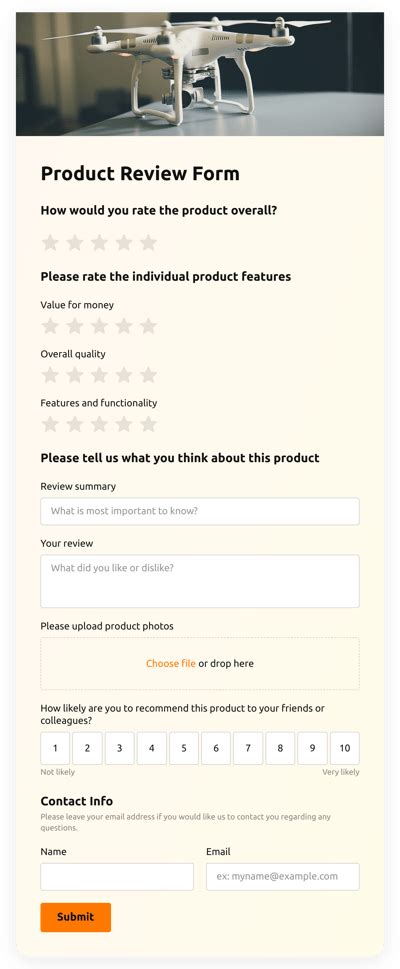





What review prompts elicit feedback on design nuances and refined experience?

In the quest for exceptional products, understanding user perception goes far beyond basic satisfaction. While ‘Do you like the product?’ might yield a simple ‘yes’ or ‘no,’ it reveals little about the intricate design choices that shape the user’s journey. To truly elevate a product, designers and product managers need to unearth insights into the design nuances and the perceived refinement of the experience. This means crafting prompts that encourage users to articulate their subconscious impressions, the ‘feel’ of the product, and the often-overlooked details that distinguish good from great.
The Importance of Nuance in Product Feedback
Many feedback mechanisms focus on functionality or broad satisfaction, missing the granular insights that drive true innovation. Design nuances encompass everything from the subtle animation of a button click to the texture of a physical product, the consistency of a color palette, or the intuitive flow of a complex task. A refined experience isn’t just about ‘it works,’ but ‘it works beautifully, effortlessly, and enjoyably.’ Capturing feedback on these aspects requires a deliberate approach to prompt design.
Without specific guidance, users often struggle to articulate these subtle observations. They might feel a product is ‘off’ or ‘clunky’ but lack the vocabulary to explain why. Effective prompts act as a guide, helping users pinpoint the exact elements that contribute to their overall perception of quality and sophistication.
Crafting Prompts for Design Details and Refinement
To move beyond generic feedback, prompts should encourage descriptive and reflective responses. Instead of asking ‘Is the design good?’, aim for questions that invite users to share their specific interactions and emotional responses. Here are categories of prompts designed to elicit feedback on design nuances and a refined experience:
Visual & Aesthetic Prompts
These questions focus on the visual appeal and consistency, encouraging users to consider the deliberate choices made in the product’s appearance.
- “Describe your initial visual impression of the product/interface. What stands out?”
- “How do the colors, fonts, and imagery contribute to the overall feel? Do they align with the product’s purpose?”
- “Are there any visual elements that feel out of place, or perhaps surprisingly delightful? Please elaborate.”
- “Consider the spacing and layout. Does it feel balanced, cluttered, or spacious?”

Interaction & Usability Prompts
This category probes the fluidity and intuitiveness of the user’s interaction with the product, looking for friction points or moments of seamless execution.
- “Walk us through the steps of [a specific task]. Where did it feel smooth, and where did you encounter resistance or confusion?”
- “How do the animations or transitions feel? Are they helpful, distracting, or just right?”
- “When you click a button or tap an icon, how does the system respond? Does it feel immediate, delayed, or satisfying?”
- “Are there any small details in the interaction that made the experience more intuitive or enjoyable?”

Sensory & Emotional Prompts (for physical products or digital feel)
These questions venture into the tactile, auditory, or emotional responses evoked by the product, capturing a deeper level of experience.
- “Describe the texture or feel of the product in your hands. Is it premium, utilitarian, or something else?”
- “If the product makes sounds (e.g., notifications, button clicks), how do they impact your perception of quality?”
- “How does using this product make you feel? (e.g., frustrated, empowered, calm, efficient). What design elements contribute to that feeling?”
- “Are there any ‘aha!’ moments or delightful surprises you encountered while using the product?”
Analyzing and Acting on Nuanced Feedback
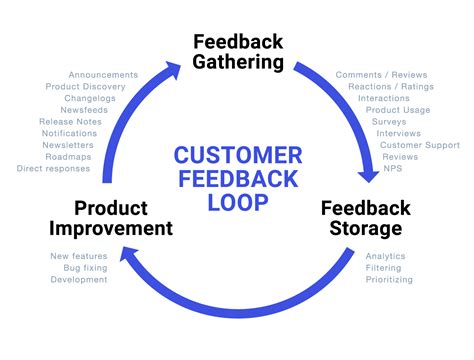
Collecting this rich, qualitative data is only half the battle. Analyzing it requires careful attention to recurring themes, specific descriptive language, and emotional indicators. Look for patterns in how users describe their ‘delight’ or ‘frustration.’ Often, it’s the aggregation of several small insights that points to a critical design opportunity or flaw.

Prioritize feedback that addresses core design principles like consistency, clarity, learnability, and aesthetic appeal. Use this feedback to iterate on specific design elements, refine interaction patterns, and ensure the overall product experience reflects the intended level of sophistication and usability.
Common Pitfalls to Avoid
While seeking nuanced feedback, it’s crucial to avoid leading questions or overwhelming users with too many open-ended prompts. Balance specificity with freedom for users to express themselves. Frame questions neutrally to prevent bias, and consider offering examples of what you mean by ‘nuance’ or ‘refined experience’ to help guide their responses without dictating them.

By strategically designing review prompts, product teams can move beyond surface-level opinions to uncover the profound impact of subtle design choices. This deeper understanding is essential for crafting products that not only function well but also deliver a truly refined and memorable user experience, ultimately setting them apart in a competitive market.