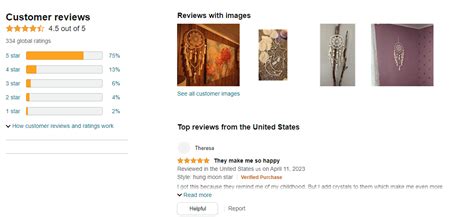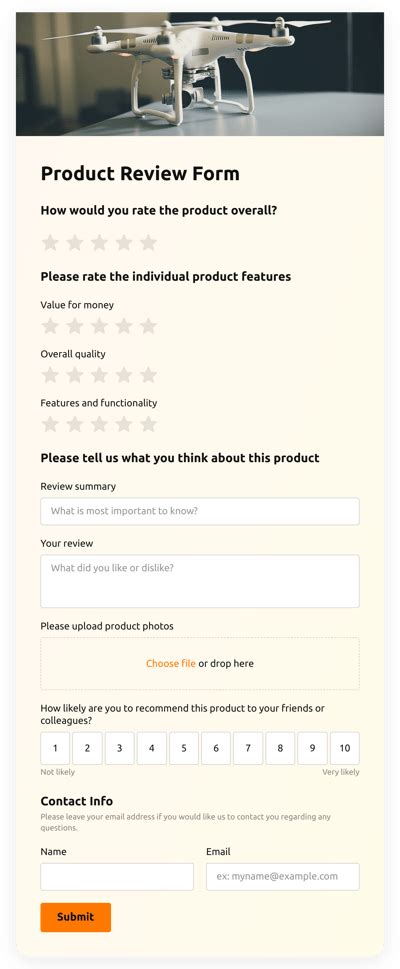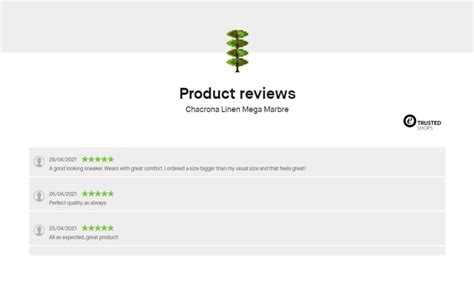

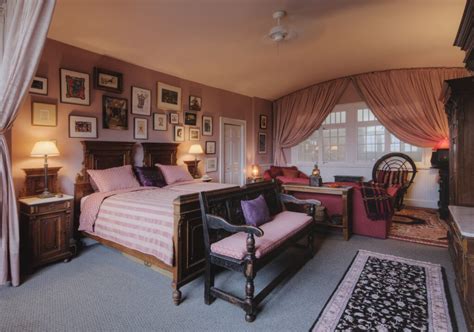

What review prompts elicit feedback on the elegance and unique artistry of our designs?

Beyond the Basics: Eliciting Deep Design Insights
In the competitive world of product design, understanding how customers perceive the elegance and unique artistry of your creations is paramount. Generic “rate your satisfaction” questions often fall short, failing to capture the rich, qualitative feedback that truly informs and inspires. To move beyond superficial reviews, businesses need to strategically craft prompts that guide customers toward articulating their aesthetic experience and appreciation for design nuances.

The Pitfalls of Vague Questions
Most review systems rely on broad questions like, “Are you happy with your purchase?” or “How would you rate the product’s appearance?” While these provide a general sentiment, they rarely offer actionable insights into the specific elements of design that resonate or disappoint. To truly gauge elegance and unique artistry, we must encourage reviewers to become thoughtful critics, rather than just casual users.
Prompts for Unveiling Elegance
Elegance in design often speaks to a sense of refined simplicity, harmonious proportions, and timeless appeal. To prompt feedback on these qualities, consider questions that invite reflection on the overall aesthetic and tactile experience:
- “How would you describe the overall aesthetic of [Product Name]? Does it convey a sense of sophistication or understated luxury?”
- “What specific elements (e.g., lines, curves, finish) contribute most to the product’s elegant appearance?”
- “Does the design feel balanced and harmonious to you? Please elaborate on why or why not.”
- “Imagine this product in a different setting. Does its elegance translate across various environments or styles?”
Encouraging Artistry Appreciation
Unique artistry refers to the distinctiveness, creativity, and original vision embedded within a design. These are the elements that make a product stand out and tell a story. Prompts here should encourage customers to identify and appreciate these unique characteristics:
- “What makes the design of [Product Name] stand out from similar items you’ve seen or owned?”
- “Are there any particular design features or details that strike you as especially creative or original?”
- “Does the product’s design evoke any particular feeling, mood, or story? If so, please describe it.”
- “In what ways does this design reflect a unique artistic vision, beyond mere functionality?”

Focusing on Specific Design Elements
Sometimes, customers need a little guidance to articulate their thoughts. Asking about specific aspects of the design can help them structure their feedback:
- “How do the chosen materials (e.g., wood, metal, glass) contribute to the product’s overall aesthetic and perceived quality?”
- “Describe your impression of the product’s color palette. Does it enhance its elegance or unique character?”
- “Consider the form or shape of the product. Does it feel innovative, classic, or something else entirely?”
The Power of Open-Ended Narrative
While structured prompts are valuable, always include opportunities for open-ended feedback. A question like, “Is there anything else you’d like to share about the design of your [Product Name]?” can often yield unexpected and profound insights. Customers appreciate the space to express their thoughts freely, and their unprompted observations can reveal a deeper understanding of your product’s impact.
Integrating Comparative Feedback
To understand true distinction, sometimes it helps to ask customers to compare. This doesn’t mean asking them to name competitors, but rather to reflect on how the design stands in a broader context:
- “Compared to other products in its category, how would you rate the design of [Product Name] in terms of elegance and artistic merit?”
- “What design elements, if any, do you feel set this product apart as a unique piece of artistry?”

Conclusion: Crafting a Dialogue, Not Just a Survey
Eliciting meaningful feedback on elegance and unique artistry requires a shift from simple questionnaires to a guided conversation. By asking thoughtful, specific questions, businesses can empower customers to articulate their aesthetic experiences, providing invaluable data that fuels design iteration, marketing narratives, and a deeper connection with their audience. These insights don’t just improve products; they build a stronger brand identity rooted in perceived artistic value.