

What review prompts yield elegant insights for high-end artisanal products?

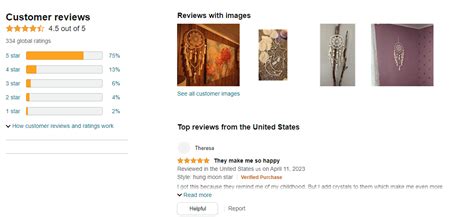
Generic review prompts often fall short when attempting to capture the true essence and value of high-end artisanal products. These items are more than just functional; they embody stories, unparalleled craftsmanship, and unique sensory experiences that transcend a simple star rating. To truly understand customer perception and drive meaningful improvement, we need prompts that go beyond surface-level feedback, encouraging a rich, qualitative narrative.

The Soul of Artisanal Products: Beyond Utility
Artisanal creations are distinguished by their handmade nature, the passion of their creators, and often a rich, compelling narrative. They appeal to discerning customers who value uniqueness, durability, and the irreplaceable human touch. Standard prompts asking “Was the product good?” or “Was the delivery on time?” fundamentally fail to capture the nuanced appreciation and specific details that define such luxury and craftsmanship.
For brands operating in this space, collecting feedback isn’t just about validating a purchase; it’s about understanding the deep emotional and intellectual connection customers form with their products. It’s about preserving and enhancing the integrity of the craft itself.
Why Generic Prompts Miss the Mark
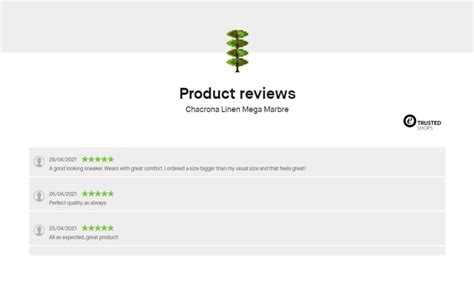
Most conventional review systems are designed for mass-produced goods, focusing primarily on functionality, basic satisfaction, and perhaps a value-for-money assessment. For a hand-stitched leather bag, a bespoke piece of jewelry, a unique piece of pottery, or a gourmet food item, these metrics are insufficient. We need to probe deeper into the “why” – why does this item resonate so profoundly? What specific details elevate it from mere utility to a cherished possession?
Without carefully constructed questions, reviews risk becoming bland affirmations or complaints about peripheral issues, completely missing the rich tapestry of experience that artisanal products offer. The goal is to unlock the narrative within the customer’s experience.
Crafting Prompts for Deep Insights
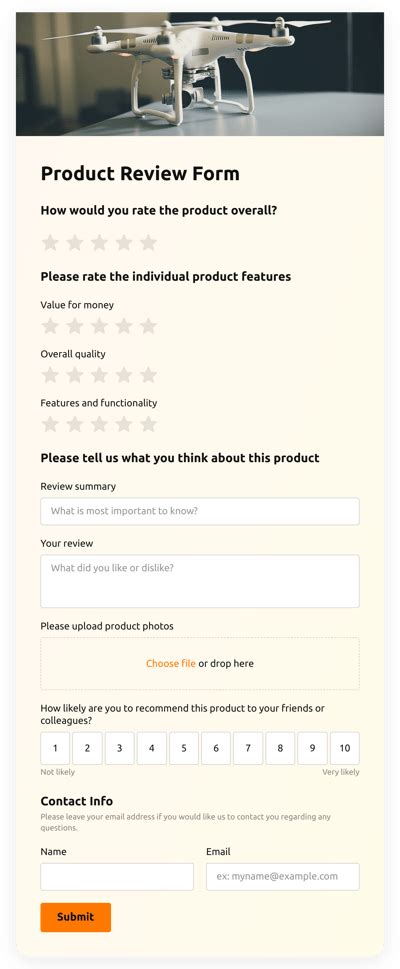
Eliciting elegant insights requires prompts that encourage storytelling, vivid sensory descriptions, and thoughtful reflection on the product’s broader impact. Here are key areas to focus on when designing your questions:
Sensory Experience: How Does It Engage the Senses?
- “Describe the texture and feel of [product name]. What was your initial tactile impression?”
- “What distinct aromas, visual details, or even sounds stood out to you upon receiving or using [product name]?”
Craftsmanship and Detail: Highlighting the Maker’s Skill
- “Which specific details of the craftsmanship truly impressed you? (e.g., stitching, carving, finish, material choice)”
- “How does the quality of materials and construction compare to other similar items you’ve owned, and what makes it superior?”
Narrative and Connection: The Story Behind the Product
- “Does the product’s origin story, the artisan’s philosophy, or its cultural significance resonate with you? If so, how?”
- “In what ways does this product feel unique or personal to you, beyond its functional purpose?”

Emotional Impact and Value: Beyond the Tangible
- “How does [product name] make you feel when you interact with it, or when it’s part of your daily life?”
- “Do you perceive this product as a long-term investment, a cherished heirloom, or a statement piece? Please elaborate on its perceived value.”
Unboxing and First Impressions: The Crucial Initial Experience
- “Walk us through your unboxing experience. Were there any elements of the packaging, presentation, or accompanying materials that enhanced your anticipation or appreciation?”
Moving Beyond the Stars: The Power of Open-Ended Questions
While star ratings offer a quick summary, open-ended questions are the goldmine for artisanal products. They allow customers to articulate their experiences in their own words, revealing unforeseen strengths or areas for subtle refinement. Employing language that invites reflection rather than simple yes/no answers is crucial. For instance, instead of “Was it high quality?”, ask “What specific aspects of its quality make [product name] stand out from other items you’ve encountered?”
This approach transforms a passive review into an active dialogue, yielding data rich with context and personal meaning. It’s about giving customers the space to express the true depth of their connection to a product crafted with care.

Leveraging These Insights for Brand Growth
The rich, qualitative data gathered from such thoughtful prompts is invaluable. It helps artisans refine their craft, improve product presentation, and tailor marketing messages that genuinely resonate with their target audience. These insights can highlight specific design elements to emphasize, inform future product development by identifying unarticulated desires, and even strengthen the brand’s narrative by showcasing authentic customer experiences in their own words.
By understanding what truly captivates their customers, artisanal brands can not only enhance their offerings but also build a community of loyal advocates who appreciate the profound value behind each handcrafted item.
Conclusion
By thoughtfully designing review prompts, brands selling high-end artisanal products can transcend superficial feedback and tap into the genuine appreciation and discerning observations of their clientele. This strategic approach fosters a deeper connection with customers and continuously elevates the unique value proposition that defines true craftsmanship and luxury. It transforms a mere transaction into a meaningful exchange of passion and appreciation, ensuring that the legacy of artisanal excellence endures and thrives.