

What specific curation process achieves ‘Artistry Enhanced, Elegance Defined’ in a pro portfolio?

Unveiling the Masterpiece: The Essence of ‘Artistry Enhanced, Elegance Defined’
For a professional artist, a portfolio is far more than a collection of work; it is a meticulously crafted statement of skill, vision, and aesthetic philosophy. To achieve the coveted state of ‘Artistry Enhanced, Elegance Defined,’ artists must engage in a deep, intentional curation process that elevates individual pieces into a cohesive, compelling narrative. This isn’t merely about showcasing talent but about demonstrating discerning judgment, strategic presentation, and an unwavering commitment to quality that resonates deeply with clients, galleries, and collaborators.
Phase 1: Strategic Selection – The Foundation of Excellence
The first and most critical step is an unsparing selection process. Artists must resist the urge to include every piece they’ve ever created. Instead, the focus shifts to quality over quantity, with each selected artwork serving a specific purpose. This involves:
- Highlighting Peak Performance: Only the strongest, most technically proficient, and conceptually resonant works should make the cut. These are the pieces that exemplify the artist’s unique style and highest capabilities.
- Targeted Relevance: The portfolio should be tailored to its intended audience or specific career goals. A fine artist seeking gallery representation will curate differently than a commercial illustrator targeting advertising agencies.
- Demonstrating Range (with focus): While showing versatility can be beneficial, it should not dilute the core message. Select pieces that demonstrate different skills or approaches but still align with the artist’s overarching vision and brand.
Phase 2: Intentional Grouping and Flow – Crafting a Visual Narrative
Once the individual pieces are chosen, the next challenge is to arrange them in a way that creates a seamless, engaging experience. This phase transforms a mere collection into a story:
The sequence of artworks dictates the viewer’s journey. Begin with a powerful opening piece that immediately captures attention, perhaps the artist’s signature work. Subsequent pieces should flow logically, perhaps grouped by theme, project, medium, or chronological development. This creates a rhythm and helps build a coherent understanding of the artist’s journey and capabilities. The pacing should avoid monotony, introducing variety strategically while maintaining a consistent aesthetic quality.
Phase 3: Refined Presentation – The Visual Experience
The most exquisite artwork can be undermined by poor presentation. ‘Elegance Defined’ comes alive through meticulous attention to detail in how the work is displayed:
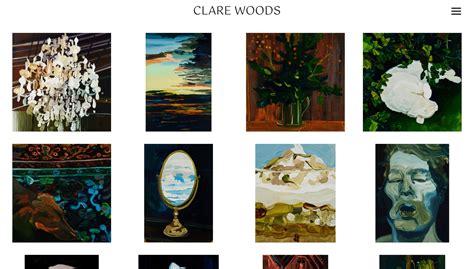
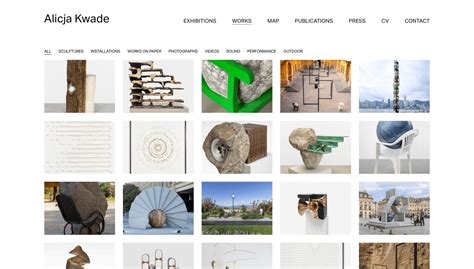
- High-Fidelity Imaging: For digital portfolios, this means professional-grade photography or high-resolution scans that accurately represent color, texture, and detail. Images must be consistently lit, cropped, and edited.
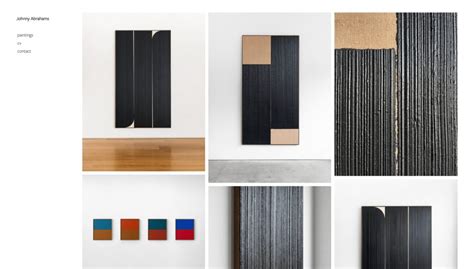
- Clean and Intuitive Platform: Whether a physical book or a website, the presentation platform must be polished, easy to navigate, and free from distractions. A minimalist aesthetic often serves best, allowing the artwork to take center stage.
- Contextual Storytelling: Each piece should be accompanied by concise, impactful descriptions that provide necessary context without overwhelming the viewer. This includes titles, dimensions, mediums, and a brief artistic statement or project goal.
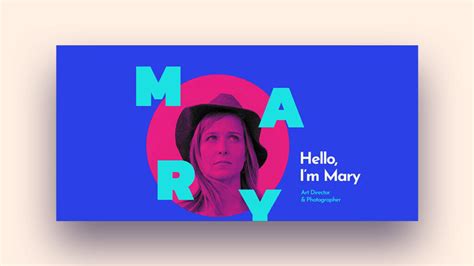
- Consistent Branding: The overall look and feel of the portfolio – from fonts and colors to tone of voice – should reinforce the artist’s unique brand identity.
Phase 4: Critical Review and Iteration – Polishing the Gem
Curation is rarely a one-time event; it’s an ongoing process of refinement. To ensure the portfolio remains sharp and relevant, artists must:
- Seek Objective Feedback: Share the portfolio with trusted mentors, peers, or target audience members. External perspectives can reveal blind spots or areas for improvement in flow, selection, or presentation.
- Self-Critique with Fresh Eyes: Step away from the portfolio for a period, then return to it with a critical, objective viewpoint. Does it still feel cohesive? Are there any weak links that detract from the overall strength?
- Regular Updates: As the artist’s style evolves or new, stronger works are created, the portfolio must be updated. Older, less representative pieces should be gracefully retired to maintain the ‘Artistry Enhanced’ standard.
This iterative process ensures that the portfolio always represents the artist’s absolute best, adapting to their growth and evolving career objectives.
Conclusion: The Art of Deliberate Curation
Achieving ‘Artistry Enhanced, Elegance Defined’ in a professional portfolio is a testament to an artist’s commitment to excellence, not just in their craft but also in their professional presentation. It’s a deliberate, multi-layered process that transcends simple collection, moving into strategic selection, thoughtful narrative construction, impeccable presentation, and continuous refinement. By embracing this rigorous approach, artists transform their portfolio from a mere compilation of works into a powerful, elegant statement that captivates, communicates, and ultimately, elevates their artistic career.