



What specific curation strategies define an elegant, enhanced Pro Artist Portfolio?

Beyond the Gallery: Crafting a Portfolio That Captivates
In the competitive realm of professional art, a portfolio is far more than just a collection of works; it’s a meticulously curated narrative, a powerful statement of an artist’s vision, skill, and brand. An “elegant, enhanced” Pro Artist Portfolio distinguishes itself by its intentionality, presenting not just what an artist creates, but why it matters and how it speaks to a discerning audience. It’s about transforming a simple display into an experience that resonates, leaving a lasting impression of professionalism and artistic integrity.

1. Defining Your Artistic Narrative and Brand Identity
The cornerstone of an elegant portfolio is a clear, compelling artistic narrative. Before selecting a single piece, an artist must understand their core identity, their unique voice, and the overarching themes or messages they wish to convey. Every inclusion should reinforce this narrative, creating a cohesive story that guides the viewer through the artist’s creative journey. This isn’t about limiting scope, but rather about presenting a focused perspective that makes the artist’s work instantly recognizable and memorable. Whether through specific techniques, recurring motifs, or thematic explorations, the portfolio should clearly articulate “who” the artist is.
This strategic approach extends to brand identity. An enhanced portfolio subtly communicates professionalism through consistent visual elements – from the typography and layout to the overall aesthetic. These elements should harmonize with the artwork itself, reinforcing the artist’s brand without overshadowing the art.

2. Strategic Selection: The Art of “Less is More”
Perhaps the most critical curation strategy is ruthless selection. An elegant portfolio prioritizes quality over quantity, showcasing only the strongest, most impactful, and most relevant works. Each piece must earn its place by demonstrating mastery, innovation, or a unique contribution to the artist’s narrative. Including mediocre or inconsistent work dilutes the impact of truly exceptional pieces. Artists should aim for a concise yet comprehensive representation of their current artistic direction and capabilities, typically selecting 10-20 pieces that collectively represent their best work and align with their specific goals (e.g., gallery representation, commission work, academic applications).

3. Cohesive Presentation and Seamless Flow
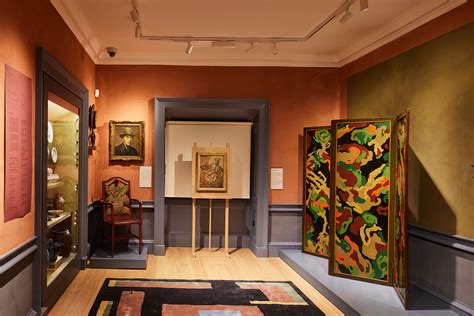
Beyond individual pieces, the arrangement and presentation within the portfolio are paramount. A truly enhanced portfolio ensures a seamless visual flow, guiding the viewer from one artwork to the next in a logical and aesthetically pleasing manner. This might involve grouping works by series, theme, medium, or even by a subtle progression of color or form. The overall layout—whether physical or digital—should be clean, uncluttered, and intuitive, allowing the art to breathe and command attention. High-resolution images, consistent lighting, and accurate color representation are non-negotiable for professional presentation.
4. Providing Context and Engagement
An elegant portfolio doesn’t just display art; it invites engagement through thoughtful context. This includes concise, well-written artist statements that articulate the artist’s philosophy and process, as well as brief, informative descriptions for individual pieces. These texts should be succinct, insightful, and complementary to the visual experience, offering just enough information to deepen appreciation without overwhelming the viewer. Furthermore, tailoring the portfolio to specific opportunities—such as a particular gallery’s aesthetic or a client’s project requirements—demonstrates professionalism and a clear understanding of the target audience.
Regular review and refinement are also crucial. A professional artist’s work evolves, and so too should their portfolio. Periodically assessing which pieces still best represent current skills and artistic direction ensures the portfolio remains dynamic, relevant, and continually enhanced.
Conclusion: The Art of Intentional Presentation
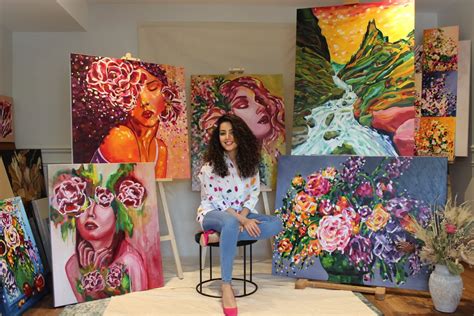
Ultimately, an elegant, enhanced Pro Artist Portfolio is a testament to intentionality. It’s a strategic masterpiece born from a clear artistic vision, meticulous selection, cohesive presentation, and thoughtful contextualization. By embracing these specific curation strategies, artists transcend merely showing their work; they craft an immersive experience that not only showcases their talent but also powerfully communicates their unique voice, professionalism, and potential, opening doors to new opportunities and lasting recognition in the art world.