


What specific curation techniques enhance portfolio elegance and define unique artistry?
The Art of Intentional Presentation: Elevating Your Portfolio
For any professional artist, a portfolio is far more than just a collection of works; it’s a meticulously crafted narrative, a statement of artistic intent, and a testament to unique vision. The difference between a good portfolio and an outstanding one often lies in the mastery of specific curation techniques. These methods don’t just showcase art; they define an artist’s elegance, clarify their voice, and amplify their unique artistry to gallerists, clients, and collectors.
Strategic Selection: Quality Over Quantity
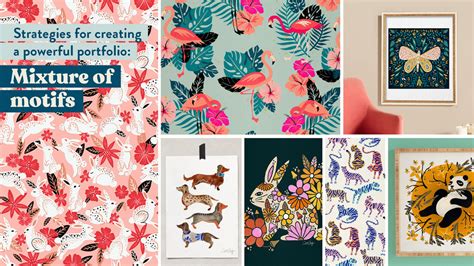
The foundation of an elegant portfolio begins with ruthless selection. Every piece included must serve a purpose, demonstrating your strongest skills, most coherent aesthetic, and clear thematic interests. Resist the urge to include everything you’ve ever created. Instead, focus on:
- Cohesion: Do the selected pieces speak to each other? Is there a consistent style, medium, or conceptual thread that ties them together?
- Impact: Each piece should be strong enough to stand alone, yet contribute to the overall power of the collection. Prioritize works that are fully resolved and represent your current best.
- Relevance: Tailor your selection to your target audience or specific opportunity. A portfolio for a gallery exhibition might differ from one for commercial commissions.
Intentional Sequencing and Flow
The order in which your works are presented is critical. Effective sequencing guides the viewer through your artistic journey, creating a rhythmic and engaging experience. Consider your portfolio as a visual story with a beginning, middle, and end.
- Opening Statement: Start with one or two of your absolute strongest, most indicative pieces to immediately capture attention.
- Narrative Arc: Arrange subsequent works to create a natural progression. This might be chronological, thematic, or an evolution of ideas.
- Pacing: Vary the visual intensity. Intermix complex, detailed pieces with simpler, more elegant ones to prevent visual fatigue and maintain interest.
- Strong Close: End with another powerful piece that leaves a lasting impression and reinforces your unique artistic signature.
Mastering Presentation Aesthetics
Beyond the art itself, the way your work is presented speaks volumes about your professionalism and attention to detail. Aesthetic consistency enhances perceived elegance.
- High-Quality Documentation: For digital portfolios, invest in professional photography or high-resolution scans of your physical work. Ensure consistent lighting, color accuracy, and clean backgrounds.
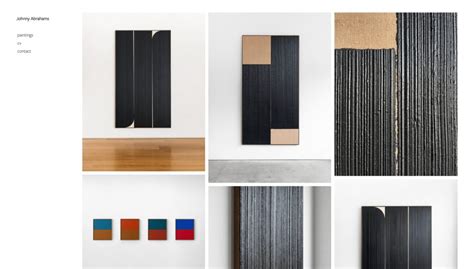
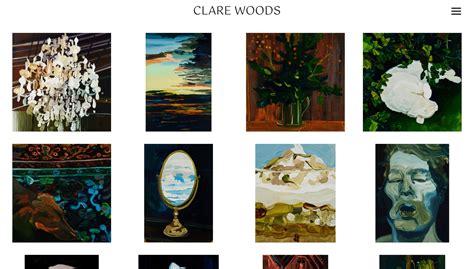
- Consistent Formatting: Maintain uniform aspect ratios, framing styles (if applicable), and digital file sizes. Use negative space effectively to allow each artwork to breathe.
- Branding Elements: Integrate subtle, professional branding – a consistent font, color palette, and logo (if you have one) – across your portfolio platform, whether it’s a website or a physical book.

Crafting a Compelling Narrative and Context
An elegant portfolio doesn’t just display art; it tells a story. Your artist statement and individual artwork descriptions provide essential context that deepens the viewer’s understanding and appreciation of your unique artistry.
- Concise Artist Statement: Develop a powerful, one-paragraph statement that articulates your artistic philosophy, influences, and what you aim to explore or communicate through your work.
- Meaningful Descriptions: For each piece, provide a brief, insightful description. This could include the title, dimensions, medium, and a sentence or two about its concept or inspiration. Avoid overly academic or jargon-filled language.
- Process Revelation (Selective): Occasionally, including a single process shot or sketch can offer a glimpse into your unique working method, provided it enhances rather than distracts from the finished piece.
The Iterative Refinement Process
Curation is not a one-time event but an ongoing process of refinement. A truly elegant portfolio is never static; it evolves with the artist.
- Seek External Feedback: Share your portfolio with trusted mentors, peers, or art professionals. Fresh eyes can spot weaknesses or areas for improvement you might overlook.
- Regular Review and Update: Periodically revisit your portfolio. Remove older works that no longer represent your best, and integrate new, stronger pieces that reflect your artistic growth.
- Know Your Audience: Continuously align your portfolio with the specific opportunities you’re pursuing. A refined portfolio is dynamic, adapting while maintaining its core identity.

By diligently applying these curation techniques – strategic selection, intentional sequencing, masterful presentation, compelling narrative, and continuous refinement – an artist transforms a simple collection of works into an elegant, powerful statement that articulates their unique artistry with clarity and impact. This dedication to curation is what truly distinguishes a professional artist in a competitive world.