



What specific curation techniques enhance Pro Artist Portfolio elegance and artistic impact?
The Art of Strategic Selection: Quality Over Quantity
A truly elegant and impactful pro artist portfolio is not a mere collection of every piece ever created; it is a meticulously curated exhibition of your strongest, most cohesive work. The first and most crucial technique is rigorous selection. Artists must critically evaluate each piece, asking whether it represents their best technical skill, conceptual depth, and current artistic direction. Discarding good pieces to highlight excellent ones is essential for maintaining a high standard. Focus on a narrative arc or thematic consistency, ensuring that each included artwork contributes meaningfully to the overall message and impression.
Furthermore, ensure variety within your strongest work if your practice encompasses different mediums or styles, but present these variations in a way that demonstrates versatility rather than inconsistency. A common pitfall is including too many similar pieces, which can dilute the impact of truly exceptional works. The goal is to leave the viewer wanting to see more, not feeling overwhelmed.

Crafting a Compelling Visual Narrative
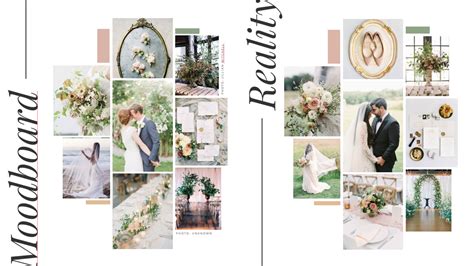
Beyond individual artwork quality, the sequence and flow of your portfolio tell a story. This visual narrative is a powerful curation technique that significantly enhances impact. Consider the order in which pieces are presented: does it build tension, reveal a progression, or introduce a central theme? Many artists find success in grouping related works—whether by series, medium, or concept—to create mini-exhibitions within the portfolio. This allows viewers to delve deeper into specific aspects of your practice without losing the overarching context.
Think about the emotional journey you want to take your viewer on. Does your portfolio start with a strong, foundational piece and then explore complexities, or does it open with a challenging work that sets a provocative tone? Experiment with different arrangements until the flow feels intuitive and purposeful. The narrative should subtly guide the viewer, revealing your artistic voice and intellectual depth without needing extensive verbal explanation.
Presentation Perfection: Layout and Documentation
The elegance of a portfolio extends to its physical or digital presentation. High-quality documentation of your artwork is non-negotiable. Professional photography or scanning, accurate color representation, and clear, well-lit images are fundamental. Poorly lit or low-resolution images can severely detract from even the most brilliant artwork, undermining all other curation efforts.
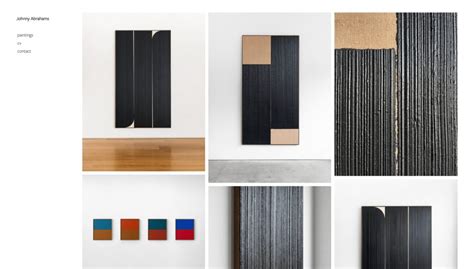
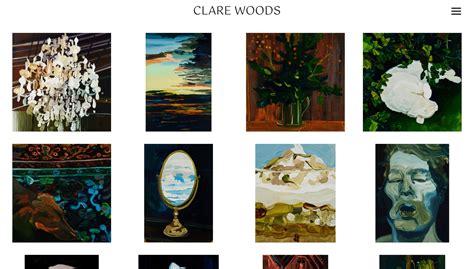
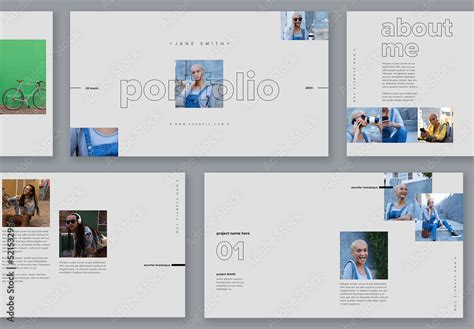
Equally important is the layout. For digital portfolios, ensure a clean, intuitive user interface with minimal distractions. Consistent branding—such as a unified font, color palette, or watermark—contributes to a polished, professional look. For physical portfolios, choose a high-quality binder or case, and ensure prints are impeccably mounted and protected. Ample white space around each image on a page or screen allows the artwork to breathe and commands attention, enhancing its perceived value and impact.
Contextualization Through Strategic Information
While the artwork should speak for itself, strategic contextual information can greatly enhance its impact and elegance. A concise, engaging artist statement that articulates your practice, influences, and conceptual framework provides invaluable insight. For individual pieces or series, brief project descriptions can offer context, illuminate process, or explain complex ideas, deepening the viewer’s understanding and appreciation.
Avoid verbose descriptions; aim for clarity and conciseness. Include essential details such as title, year, medium, and dimensions for each artwork. Depending on your objective, you might also include a brief biography, a CV outlining exhibitions and achievements, or even press mentions. However, always prioritize relevance. Every piece of information should serve to elevate the artwork and reinforce your professional identity, not distract from it.
Tailoring for Impact: Knowing Your Audience
The most sophisticated curation technique is tailoring your portfolio to specific opportunities or audiences. A portfolio submitted to a gallery for representation might emphasize conceptual depth and a cohesive body of work, while one presented to a commercial client might highlight versatility, technical skills, and a track record of successful projects. Understanding the objectives and preferences of your target audience allows you to select, sequence, and present your work in the most resonant way.
This doesn’t mean having a completely different portfolio for every occasion, but rather maintaining a robust master portfolio from which you can quickly create customized selections. This bespoke approach demonstrates professionalism, thoughtfulness, and a keen understanding of the art world’s varied demands, significantly enhancing both elegance and artistic impact by ensuring your message hits home every time.
![How to Create & Present Your Portfolio Presentation [Including Templates]](/images/aHR0cHM6Ly90czIubW0uYmluZy5uZXQvdGg/aWQ9T0lQLk11SDVEOFQ5RzFacmJHNXBoVmFyclFIYUVKJnBpZD0xNS4x.webp)