


What specific design choices enhance portfolio elegance to showcase professional artistry?
The Foundation: Minimalism and Intentional White Space
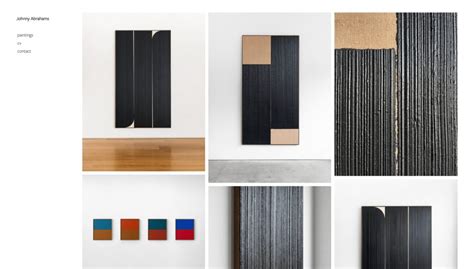
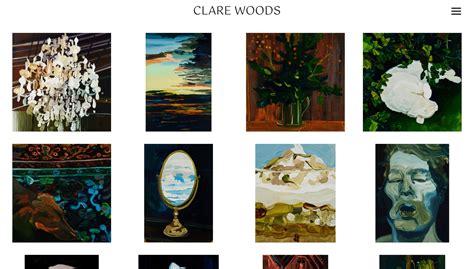
An elegant portfolio begins with the embrace of minimalism. Overly cluttered layouts distract from the artwork itself. By adopting a clean, uncluttered design, artists create a sophisticated visual experience that guides the viewer’s eye directly to their creations. Ample white space—or negative space—around each piece is crucial; it acts as a visual breather, allowing each artwork to stand out and be appreciated individually. This intentional spacing communicates confidence and refinement, suggesting that the artist values their work enough to give it room to breathe and shine.
The choice of a simple, intuitive navigation system also contributes to an elegant user experience. Avoid complex menus or excessive animations that can detract from the artistry. A streamlined path through your portfolio reflects professionalism and respect for the viewer’s time.
Curatorial Excellence: Quality Over Quantity
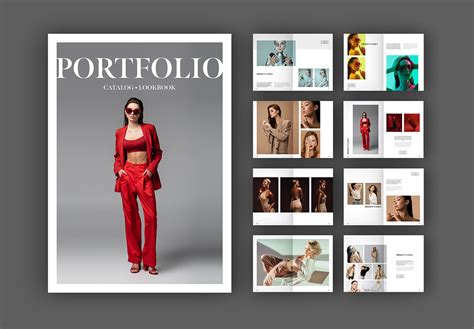
Elegance is deeply intertwined with discernment. A truly professional portfolio showcases a carefully curated selection of an artist’s best and most representative works, rather than an exhaustive compilation. This thoughtful curation demonstrates an artist’s critical eye and ability to self-edit, reinforcing their artistic maturity. Each piece chosen should not only exemplify technical skill but also speak to the artist’s unique voice and vision. It’s better to present fewer, impeccably chosen pieces that resonate with impact than many mediocre ones that dilute the overall impression.
Consider arranging your selected works in a logical, aesthetically pleasing sequence. This might mean grouping similar themes, media, or chronological order to create a coherent narrative that unfolds gracefully for the viewer.
Typography and Color Palette: Subtle Sophistication
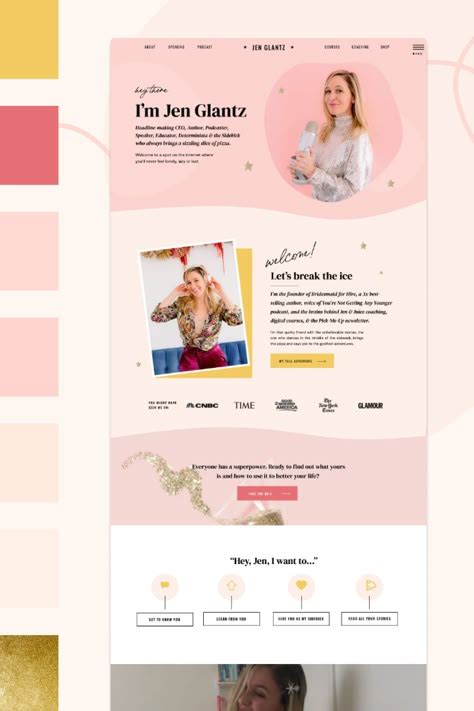
The design choices for typography and color palette are subtle yet powerful arbiters of elegance. Opt for clean, legible fonts—typically one or two complementary typefaces—that enhance readability without competing with the artwork. Serif fonts can convey tradition and artistry, while sans-serif fonts often project a modern, crisp feel. Consistency in font usage throughout the portfolio is paramount.

Similarly, the color palette should be understated and complementary, serving as a backdrop that allows the artwork to pop. Muted, neutral tones—grays, creams, soft whites, or deep charcoals—are often excellent choices. These colors create a sophisticated and timeless aesthetic, preventing the portfolio itself from becoming a distracting visual element. The goal is to create an environment where the artwork is the undisputed star.
High-Resolution Imagery and Consistent Presentation
The quality of your digital images is non-negotiable for an elegant portfolio. Each artwork must be presented through high-resolution, perfectly lit, and accurately color-corrected photographs or scans. Pixelated, blurry, or poorly lit images instantly detract from professionalism and undermine the perceived value of the art. Consistency in image presentation—such as uniform cropping, lighting, and framing—creates a cohesive and polished look across the entire portfolio.

Furthermore, provide concise, professional descriptions for each piece, including title, medium, dimensions, and year created. Avoid overly verbose or informal language; the elegance lies in clear, succinct information that complements the visual presentation without overshadowing it.
Seamless User Experience and Responsive Design
In today’s digital landscape, elegance also encompasses functionality. A professional portfolio must offer a seamless user experience across all devices. This means ensuring your website is fully responsive, adapting gracefully to desktops, tablets, and smartphones without compromising layout or image quality. Viewers should be able to navigate effortlessly, and images should load quickly. Any friction in the user experience can quickly diminish the perceived elegance of the presentation.

By thoughtfully applying these design principles—minimalism, careful curation, sophisticated typography and color, high-quality imagery, and a flawless user experience—artists can transform their portfolio into an elegant showcase that truly amplifies their professional artistry and leaves a lasting, distinguished impression.