


What specific editorial approach elevates product reviews to ‘Artistry Enhanced’ technique guides?
In the bustling world of beauty blogging, product reviews are a dime a dozen. From quick swatches to first impressions, content often prioritizes immediacy over depth. However, a significant opportunity exists to transcend the typical, transforming simple product critiques into invaluable ‘Artistry Enhanced’ technique guides. This elevated approach not only provides a more comprehensive understanding of a product but also empowers readers with practical skills, fostering a deeper, more loyal engagement.
Beyond Swatches and First Impressions

Traditional product reviews, while useful for initial insights, often fall short of demonstrating a product’s full potential. They might tell you if a foundation feels good or if a lipstick shade is pretty, but rarely do they guide you through how to best apply it for different effects, what tools to use, or when to integrate it into a complex look. An ‘Artistry Enhanced’ review moves beyond surface-level observations, delving into the practical application and creative possibilities each product unlocks.
The goal is to equip the reader not just with information about a product, but with the confidence and skills to use it like a pro. This shift requires a deliberate editorial strategy, focusing on educational value and actionable insights.
The Core Pillars of Artistry Enhancement
Elevating a review to an ‘Artistry Enhanced’ technique guide rests on several critical pillars, each designed to empower the reader with practical knowledge and inspire creativity.

1. Contextual Application: Showing It In Action
Instead of merely describing a product, demonstrate its use within a specific context. For an eyeshadow palette, create 2-3 distinct looks—a daytime natural, an evening glam, and an editorial pop—using only that palette. For a skincare serum, explain not just its ingredients but how to layer it effectively within a morning or evening routine, considering other products. This shows versatility and helps readers visualize the product fitting into their own beauty regimen.
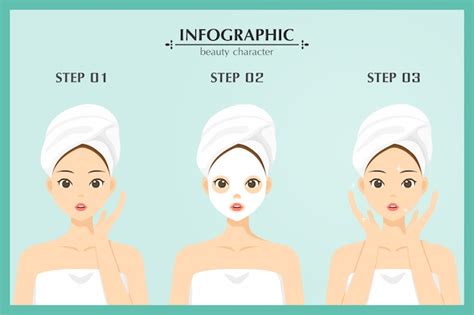
2. Step-by-Step Methodology: Guiding the Hand
This is where the ‘technique guide’ truly shines. Break down the application process into clear, numbered or bulleted steps. For a contour stick, detail the exact placement on different face shapes, the blending technique, and what brushes or sponges work best. Include common pitfalls to avoid (e.g., “don’t over-apply here”) and pro tips (e.g., “set with a translucent powder for longevity”). Highlighting the ‘how-to’ transforms a review into a mini-masterclass.
3. Comparative Insights & Customization: Tailoring for the Individual
An artistry-enhanced review also provides comparative analysis. How does this product perform against similar alternatives? What makes it unique? More importantly, how can the techniques be customized? For a blush, suggest how to apply it differently for oily versus dry skin, or for achieving a natural flush versus a dramatic sculpt. Addressing diverse needs and preferences makes the guide universally valuable.

4. Visual Storytelling & Demonstrations: Seeing is Believing
While the textual content is paramount, the visual component (even implied for this text-only output) is crucial for a beauty blog. High-quality, clear imagery or video demonstrating each step and the final look reinforces the instructions. Before-and-after shots, close-ups of texture, and in-action photos illustrating blending techniques are far more impactful than static product shots. This visually rich narrative transforms abstract advice into concrete, achievable results.

Crafting Engaging Narratives
Beyond the instructional elements, the editorial voice plays a significant role. Adopt a knowledgeable yet approachable tone, acting as a trusted mentor rather than a distant critic. Share personal experiences, challenges, and successes with the product, making the content relatable. Frame the review as an opportunity for the reader to learn, experiment, and elevate their own beauty skills, fostering a sense of shared discovery and artistic growth.
Conclusion
Transforming product reviews into ‘Artistry Enhanced’ technique guides demands a commitment to depth, education, and practical application. By moving beyond superficial observations and embracing contextual demonstrations, step-by-step methodologies, comparative insights, and compelling visual narratives, beauty bloggers can create content that not only informs but truly empowers. This editorial approach cultivates a more engaged, skilled, and loyal audience, cementing a blog’s reputation as an indispensable resource for beauty enthusiasts eager to refine their craft.