


What specific prompts elicit reviews detailing craftsmanship and aesthetic value?

Unlocking Deeper Insights: The Power of Specific Review Prompts
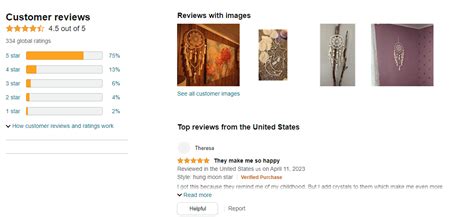
In an age dominated by quick star ratings and generic feedback, businesses often struggle to capture the nuances of what truly makes their products stand out. While a five-star rating is welcome, it rarely conveys the intricate details of a product’s craftsmanship or the subjective beauty of its aesthetic design. For products where quality, materials, and visual appeal are paramount, eliciting detailed reviews on these aspects is crucial. This article explores specific prompts designed to encourage customers to elaborate on these valuable attributes.

Why Generic Prompts Fall Short for Craftsmanship and Aesthetics
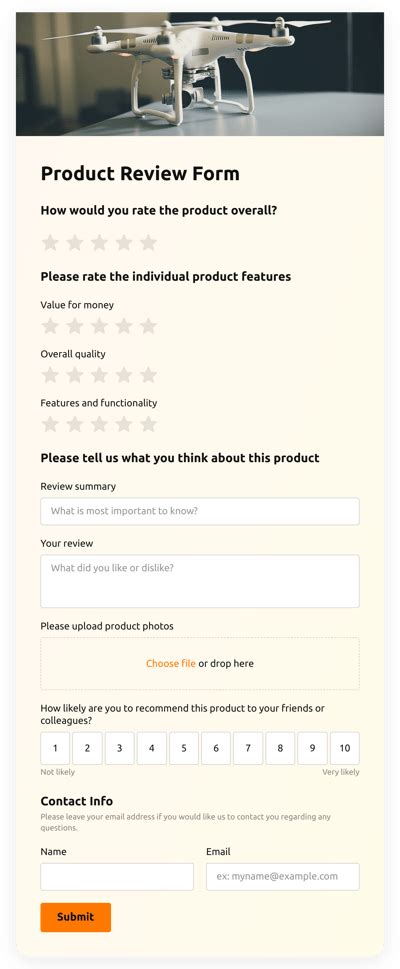
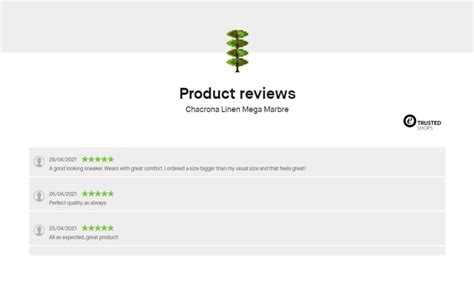
Standard review prompts like “How would you rate this product?” or “What did you like/dislike?” often lead to superficial responses. Craftsmanship, by its nature, involves skill, material quality, and attention to detail. Aesthetic value is about design, visual appeal, feel, and how a product integrates into a user’s life or space. These are complex, often subjective experiences that require more than a simple yes/no or a numerical score. To get truly insightful feedback, we need to guide the customer’s thoughts towards these specific areas.
Targeting the Tangible: Prompts for Craftsmanship
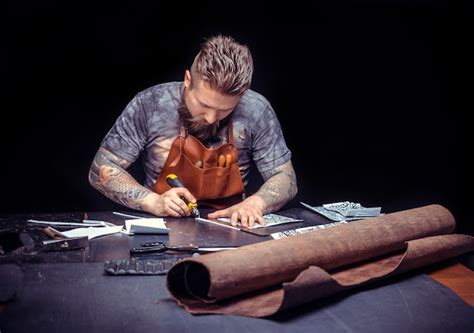
Craftsmanship speaks to the quality of construction, materials, and the care taken in a product’s creation. Prompts in this category should encourage customers to inspect and articulate the physical attributes of the item:
- “Please describe the quality of the materials used. Do they feel premium, durable, or unique?”
- “How does the product feel in your hands? Comment on its weight, texture, and structural integrity.”
- “Are there any specific details in the construction (e.g., stitching, joinery, finish) that stood out to you?”
- “Did the product meet your expectations regarding its build quality and durability? Please explain.”
- “Could you comment on the precision and finish of the product? Are seams tight, surfaces smooth, or components well-aligned?”
Evoking Experience: Prompts for Aesthetic Value
Aesthetic value is deeply personal and encompasses visual appeal, emotional response, and how a product fits into an environment. These prompts should invite subjective interpretation and sensory descriptions:
- “What was your initial impression of the product’s design and appearance?”
- “How would you describe the product’s style, color palette, or visual texture? Does it match the photos?”
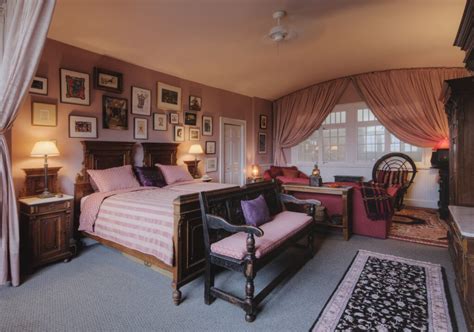
- “Does the product enhance the look and feel of the space where you use or display it?”
- “Did the design evoke any particular feelings or emotions (e.g., elegance, modernity, nostalgia, joy)?”
- “Are there any specific design elements you find particularly appealing or unique?”
- “How does the product’s design contribute to your overall enjoyment or satisfaction?”
Combining Form and Function: Holistic Prompts
Often, craftsmanship and aesthetics are intertwined with functionality. Prompts that bridge these aspects can provide a more comprehensive review:
- “How does the product’s design (aesthetics) enhance or hinder its usability (functionality)?”
- “Did the quality of craftsmanship make the product feel more reliable or enjoyable to use?”
- “Considering both its look and build, what is the overall value proposition of this product?”

Best Practices for Implementing Prompts
Beyond the specific questions, how you present these prompts also impacts response quality:
- Keep it Open-Ended: Avoid yes/no questions. Encourage elaboration.
- Contextualize: Explain why you’re asking about craftsmanship or aesthetics. Emphasize that their detailed feedback helps others.
- Selective Prompting: Don’t overwhelm customers with too many questions. Choose 2-3 key prompts per review request.
- Visual Cues: If possible, show a picture of the product again within the review request to jog their memory.
- Timing: Send review requests after the customer has had ample time to use and experience the product.
- Incentivize Thoughtfulness: While not always necessary, small incentives (e.g., a discount on a future purchase) can encourage more thoughtful responses.

Conclusion: Elevating Feedback for Quality Products
Moving beyond basic star ratings and generic feedback is essential for brands that pride themselves on quality, design, and attention to detail. By implementing specific, targeted prompts, businesses can empower customers to articulate their experiences with craftsmanship and aesthetic value, providing invaluable insights for potential buyers and product developers alike. This rich, qualitative data not only builds trust and demonstrates transparency but also fosters a deeper appreciation for the artistry and effort invested in well-made products.