





What specific review criteria ensure authentic insights on design artistry & refined quality?
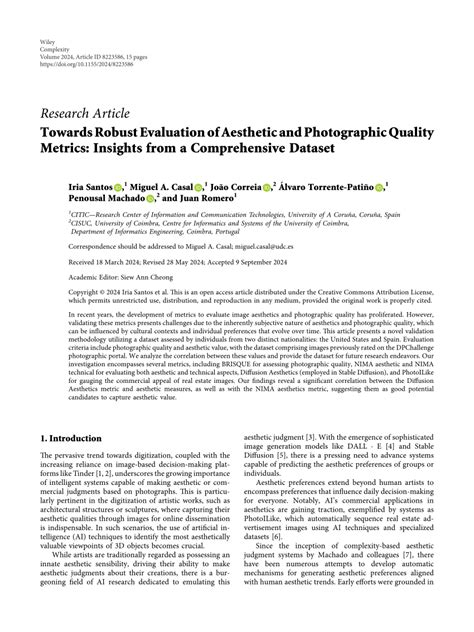
In an increasingly competitive market, products are not just about functionality; they are expressions of creativity, precision, and thoughtful execution. Evaluating design artistry and refined quality requires a discerning eye, transcending subjective preferences to identify objective standards. Authentic insights stem from a structured approach that delves into the nuances often overlooked in conventional reviews.
Beyond Functionality: The Essence of Design Artistry
Design artistry is the soul of a product, a testament to the creator’s vision and skill. It encompasses the aesthetic appeal, emotional resonance, and a product’s ability to communicate its purpose elegantly. This isn’t just about looking good; it’s about the deliberate choices in form, line, color, and texture that evoke a specific feeling or thought in the user.
To truly assess artistry, a reviewer must consider the originality of the concept, the coherence of the visual language, and how well the design integrates with the product’s function. Does it tell a story? Does it challenge conventions gracefully? These questions help move beyond superficial appraisal to a deeper appreciation of the design’s intent and execution.

Decoding Refined Quality: More Than Just Durability
Refined quality extends beyond mere durability or a product’s ability to withstand wear and tear. It speaks to the meticulous attention to detail, the choice of premium materials, and the flawless execution of construction. It’s about the seamlessness of joints, the precision of finishes, and the consistent feel across all components. A product with refined quality feels inherently valuable, often communicating a sense of luxury and longevity through its tactile and visual properties.
This aspect requires a keen understanding of manufacturing processes and material science. Identifying refined quality involves scrutinizing the tolerances, the consistency of surface treatments, and the integrity of the assembly. It’s about recognizing when a manufacturer has gone the extra mile to ensure every aspect of the product meets an exceptional standard.
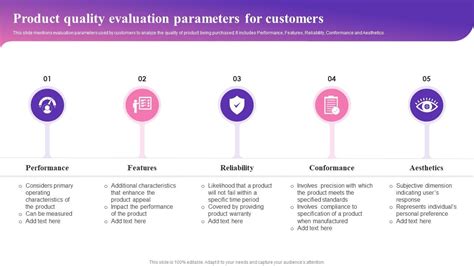
Key Review Criteria for Authentic Insights
Materiality and Tactile Experience
The choice of materials profoundly impacts both artistry and quality. A critical review assesses not only the grade of materials (e.g., aerospace-grade aluminum vs. standard alloy, full-grain leather vs. bonded leather) but also how they feel to the touch, their weight, temperature, and how they interact with light. The tactile experience should align with the product’s intended purpose and emotional appeal.
Ergonomics and User Interaction
An artfully designed and high-quality product is intuitive and a pleasure to use. Reviewers must assess how well the product fits the human body and how effortlessly users can interact with its features. This includes button responsiveness, screen clarity, weight distribution, and the overall comfort during prolonged use. Flaws here can undermine even the most beautiful design.
Craftsmanship and Finish Precision
This criterion directly addresses the ‘refined quality.’ Examine seams, edges, surface treatments, and component alignment. Are there any visible imperfections like gaps, uneven coatings, or misaligned parts? Precision in craftsmanship is a hallmark of true quality and reflects the manufacturer’s commitment to excellence.

Aesthetic Cohesion and Visual Balance
Design artistry relies on a harmonious composition. Does the product’s design feel complete and unified? Are proportions balanced? Do colors, textures, and forms work together harmoniously, or do they clash? A truly artistic design achieves a visual balance that is pleasing to the eye and enhances the product’s overall appeal.
Durability and Longevity (The Quality Benchmark)
While distinct from ‘refined quality,’ durability is an indispensable component. A review should consider the product’s construction methods, the robustness of its materials, and any features designed to enhance its lifespan. Authentic insights require considering how well the product is engineered to withstand the test of time and consistent use.
Innovation and Originality
Does the design offer a fresh perspective or solve a problem in an innovative way? Is it merely replicating existing ideas, or does it push boundaries in terms of form, function, or material application? Originality in design contributes significantly to its artistic merit and long-term relevance.

Emotional Resonance and Storytelling
The most compelling designs evoke emotions and tell a story. Does the product feel luxurious, playful, futuristic, or nostalgic? Does its design communicate a specific narrative or brand identity? A review that captures this emotional connection provides deeper, more authentic insights into its artistic impact.

The Reviewer’s Role: Cultivating a Discerning Eye
For a reviewer, cultivating a discerning eye involves more than just observation. It requires experience with diverse products, an understanding of design principles, and a nuanced appreciation for manufacturing processes. Objective assessment combined with an empathetic understanding of the user experience allows for insights that are both authentic and valuable to potential consumers.
Conclusion
Providing authentic insights into design artistry and refined quality demands a comprehensive review process that scrutinizes every aspect of a product. By focusing on materiality, ergonomics, craftsmanship, aesthetic cohesion, durability, innovation, and emotional resonance, reviewers can move beyond superficial assessments to deliver analyses that truly appreciate the intricate balance of form, function, and finesse.