




What targeted review questions capture bespoke product craftsmanship?

Unlocking the Essence of Bespoke Excellence
In a world increasingly dominated by mass production, bespoke products stand as a testament to individuality, artistry, and meticulous human skill. Unlike their factory-made counterparts, these items are often handcrafted, customized, and imbued with the unique touch of their creator. Standard product review questions, designed for uniformity and broad appeal, frequently fall short when attempting to capture the true essence and value of such bespoke craftsmanship. To genuinely evaluate and appreciate these unique creations, a more thoughtful, targeted approach to questioning is essential.
Why Generic Reviews Miss the Mark
Generic reviews often focus on aspects like ease of use, basic functionality, or value for money in a generalized sense. While important, these criteria barely scratch the surface for a bespoke item. A custom-made leather bag isn’t just about carrying items; it’s about the quality of the hide, the stitching precision, the hand-finishing, and the story behind its creation. A mass-produced chair might be judged on assembly ease; a handcrafted one on its joinery, wood grain selection, and ergonomic artistry. Without specific questions tailored to these nuances, reviewers risk overlooking the very qualities that define and justify the premium of bespoke craftsmanship.
The goal isn’t just to report satisfaction, but to articulate why the product is exceptional, highlighting the skill, materials, and processes involved. This helps both potential buyers understand the investment and artisans receive meaningful feedback.
Pillars of Exceptional Bespoke Craftsmanship
To formulate effective questions, we must first understand the core elements that constitute true bespoke craftsmanship:
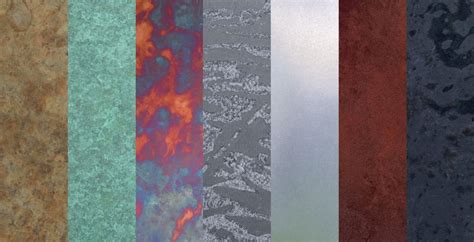
- Material Selection: The deliberate choice of premium, often rare or ethically sourced, materials.
- Attention to Detail: Precision in execution, flawless finishes, and hidden nuances.
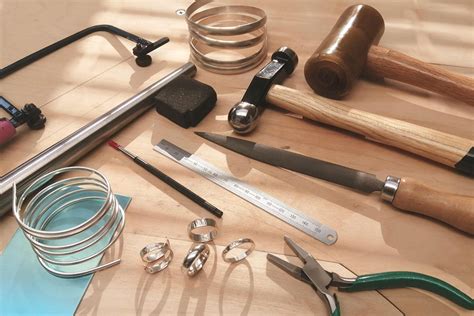
- Artisan Skill & Technique: The mastery of specific crafts, often passed down through generations or honed over decades.
- Customization & Personalization: The process of tailoring the product to specific client needs and desires.
- Durability & Longevity: Built to last, often designed for repairability and to age gracefully.
- Narrative & Authenticity: The story behind the product, the maker, and its unique journey.
Targeted Questions for Deeper Insight
Regarding Material Quality & Sourcing:
- How did the quality and feel of the materials meet your expectations? Were they superior to what you typically encounter?
- Were you provided with information regarding the origin or ethical sourcing of the materials? How did this contribute to your appreciation of the product?
- Did the materials age or develop a patina as expected over time?
Regarding Design & Execution Precision:
- Beyond its basic function, what specific design elements or details stood out to you?
- How would you describe the precision and neatness of the joins, seams, or finishes?
- Did you notice any subtle design choices that revealed the maker’s thoughtfulness or unique artistic vision?
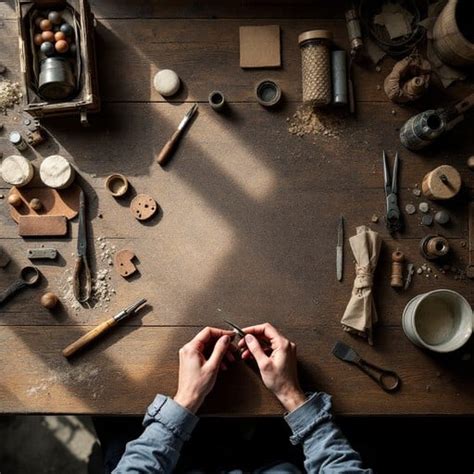
Regarding Artisan Skill & Process:
- Could you discern the level of skill or mastery involved in the product’s creation (e.g., hand-stitching, intricate carvings, unique finishing techniques)?
- Did any aspect of the construction or assembly impress you with its ingenuity or complexity?
- How does the product feel in terms of balance, weight, or tactile quality, reflecting the maker’s careful crafting?
Regarding the Customization Experience:
- How clear and communicative was the artisan throughout the customization process?
- Did the final product accurately reflect your specific requests and vision? Were any adjustments needed, and how were they handled?
- To what extent did you feel involved in the creation process, and how did this enhance your connection to the product?

Regarding Durability, Longevity & Value:
- How robust and well-constructed does the item feel? Do you anticipate it lasting a lifetime?
- Did the product come with care instructions or a guarantee of quality/repairability?
- Considering the craftsmanship, materials, and unique nature, does the product represent exceptional value to you?
- How does owning this bespoke item enhance your daily life or aesthetic environment compared to a mass-produced alternative?
The Impact of Thoughtful Reviewing
By asking these targeted questions, reviewers move beyond surface-level observations to provide feedback that truly matters. This not only helps other consumers make informed decisions but also champions the incredible talent and dedication of artisans. It fosters a culture of appreciation for quality, sustainability, and the stories embedded in every handcrafted piece. When reviews delve into the specifics of craftsmanship, they elevate the entire bespoke market, celebrating the human touch in an automated world.

Ultimately, capturing bespoke product craftsmanship in a review is about telling a richer story—a narrative that honors the journey from raw material to finished masterpiece, guided by skilled hands and a discerning eye. It encourages us to look closer, feel deeper, and understand the profound value of something truly unique.