


What visual storytelling tactics elevate artistry tutorials & engage a discerning audience?
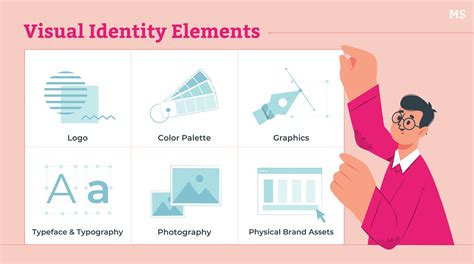
In the crowded landscape of online beauty education, merely demonstrating a technique is no longer enough to stand out. To truly engage a discerning audience and elevate an artistry tutorial from instructional video to compelling visual experience, creators must master the art of visual storytelling. This involves a thoughtful integration of cinematography, lighting, editing, and narrative elements that transcend basic how-to’s.
The Power of Cinematic Camera Work & Framing
One of the most impactful visual storytelling tactics is the intentional use of camera work and framing. Instead of static, eye-level shots, incorporating dynamic angles, slow zooms, and pans can create a sense of intrigue and professionalism. Consider the rule of thirds for framing your subject, ensuring that the artist’s hands, the product, or the area of application are always the focal point without feeling too centered. Varying shot distances, from wide establishing shots to medium close-ups, helps provide context while gradually drawing the viewer into the intricate details.

Mastering Light & Color for Mood and Clarity
Lighting is arguably the most crucial element in any visual medium, and artistry tutorials are no exception. Professional lighting setups don’t just illuminate; they sculpt. Soft, diffused lighting can create a flattering, aspirational glow, while strategic use of shadows can emphasize contours and textures. Beyond illumination, thoughtful color grading can set the mood, enhance product vibrancy, and ensure color accuracy. A consistent color palette throughout the video contributes to a cohesive brand aesthetic and a polished, high-end feel, signaling attention to detail to a discerning viewer.
The Indispensable Detail: Close-ups & Macro Shots
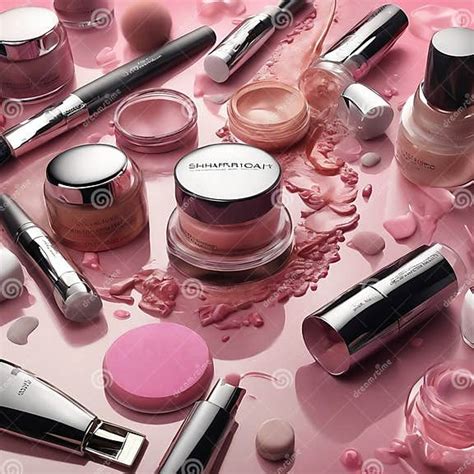
For an audience genuinely interested in artistry, seeing the nuanced details is paramount. High-definition close-ups and even macro shots are essential for demonstrating product texture, brush strokes, blending techniques, and the subtle shift in a shade. These shots not only provide critical educational value but also create a sense of intimacy and precision, allowing viewers to truly understand the application process and appreciate the artistry involved. They serve as visual proof of skill and technique.
Seamless Editing & Pacing as a Narrative Device
The rhythm and flow of an tutorial are largely dictated by its editing. Smooth transitions, well-timed cuts, and a considered pace prevent viewer fatigue and maintain engagement. Fast-paced segments can highlight energetic application, while slower cuts can emphasize precision and delicate movements. Integrating B-roll footage – shots of products, tools, or the artist’s hands in preparation – can break up longer instructional segments and add visual interest, enhancing the overall narrative without disrupting the educational flow. Thoughtful music selection, used sparingly and effectively, can also elevate the emotional impact and professional feel.

Curating the Environment: Props, Backgrounds & Aesthetic
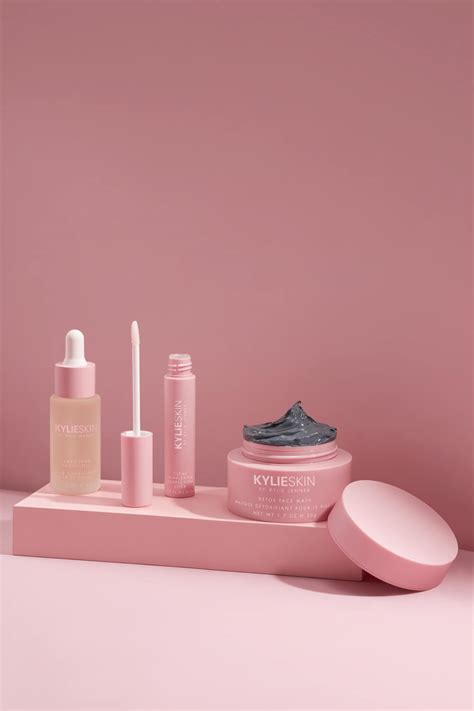
The visual story extends beyond the artist and their hands to the entire environment captured on screen. A clean, aesthetically pleasing background, curated props, and a consistent color scheme contribute significantly to the tutorial’s overall appeal and brand identity. A minimalist, chic setup can convey sophistication, while a vibrant, textured background might suggest creativity. This careful curation signals to the audience that every detail has been considered, reinforcing the professional and artistic intent behind the tutorial.

Beyond Technique: Crafting a Story Arc & Personality
Finally, true visual storytelling imbues the tutorial with a subtle narrative arc and a touch of the artist’s personality. This doesn’t mean fabricating drama, but rather presenting the process with a clear beginning, middle, and satisfying end. A brief intro setting the intention, a clear demonstration with occasional insights or tips, and a beautiful reveal of the finished look can create a fulfilling viewing experience. Allowing the artist’s genuine passion and unique approach to shine through, whether via subtle gestures, expressive eyes, or even carefully chosen voiceovers, fosters a deeper connection with the audience, moving beyond mere instruction to genuine inspiration.

By thoughtfully applying these visual storytelling tactics, artistry tutorials can transcend the purely functional, becoming engaging, inspiring, and truly artistic works that resonate deeply with a discerning audience and firmly establish the creator as a master of their craft.