


What visual strategies enhance artistry & define elegance in an artist’s portfolio?

Beyond the Brushstroke: Crafting a Visually Stunning Portfolio
An artist’s portfolio is far more than a mere showcase of work; it is a meticulously crafted visual narrative that speaks volumes about their aesthetic sensibilities, professional dedication, and unique artistic voice. To truly enhance artistry and define elegance, specific visual strategies must be employed, transforming a collection into a compelling experience for the viewer. This involves a thoughtful approach to selection, presentation, and the overall design language.
The Art of Curation: Less is Truly More
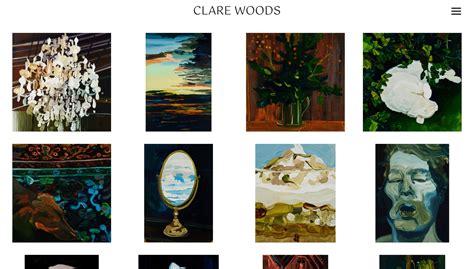
The first and most critical visual strategy lies in ruthless curation. Elegance often stems from restraint. Instead of presenting every piece ever created, an artist must select only their strongest, most representative, and most cohesive works. This selective inclusion demonstrates confidence and a keen eye for quality over quantity. A portfolio with fewer, stellar pieces will always outshine one cluttered with mediocre work.
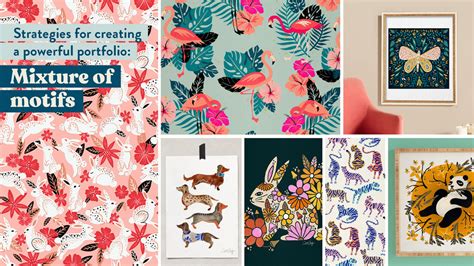
Furthermore, consider thematic coherence. Grouping works that share a conceptual thread, a color palette, or a stylistic approach creates a harmonious flow, guiding the viewer through a narrative rather than a disjointed display. This intentional arrangement underscores the artist’s vision and maturity.
Masterful Presentation: Layout, Negative Space, and Consistency
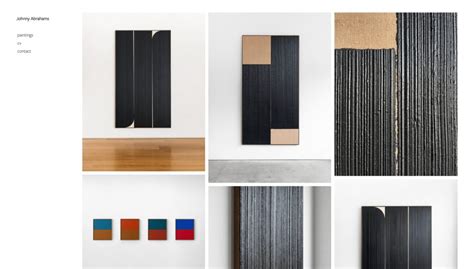
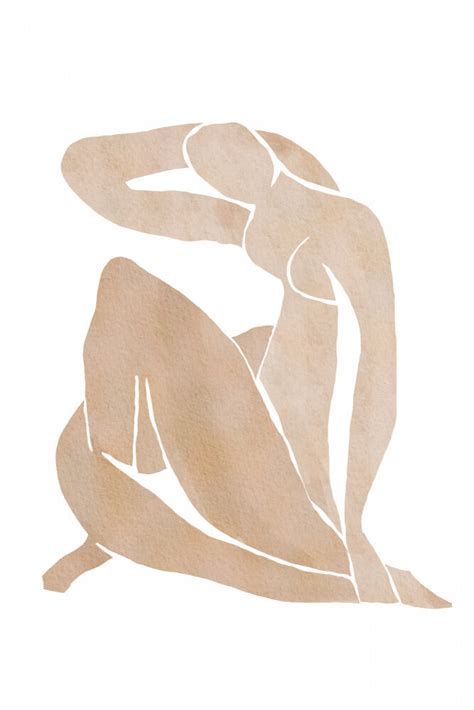
Once curated, the presentation itself becomes paramount. An elegant portfolio prioritizes clean, uncluttered layouts that allow each artwork to breathe and command attention. The strategic use of negative space – the empty areas around and between elements – is crucial. It acts as a visual pause, preventing visual fatigue and accentuating the artwork it frames.
Consistency across all visual elements is key to elegance. This includes uniform sizing or scaling of images, consistent background colors (often neutral to avoid distraction), and a cohesive visual identity that extends to typography and any accompanying descriptive text. A unified aesthetic makes the portfolio itself a work of art.
Quality of Imagery: Beyond the Artwork Itself
Even the most magnificent artwork can be undermined by poor photography. High-resolution, professionally lit, and accurately color-corrected images of your art are non-negotiable. Blurred images, distorted perspectives, or inaccurate color rendition immediately detract from elegance and professionalism. Invest in professional photography or learn advanced techniques to capture your work in its best light.

Subtlety in Design: Typography and Color Palettes
Elegance often resides in subtlety. This applies to the choice of typography and the overall color palette of the portfolio design. Opt for clean, legible fonts that complement your artwork without competing with it. A sans-serif font often conveys a modern, refined feel, while a well-chosen serif can suggest timelessness and sophistication. Limit your font choices to one or two complementary styles.
Similarly, a restrained and sophisticated color palette for the portfolio’s background and text elements enhances elegance. Neutral tones like grays, whites, and blacks are timeless and ensure that the artwork remains the star. If color is introduced, it should be done sparingly and intentionally, echoing tones within the artwork or the artist’s brand.
Context and Narrative: The Artist’s Voice
While primarily visual, an elegant portfolio also incorporates concise, well-written context. Brief artist statements, project descriptions, or conceptual notes can elevate the viewer’s understanding and appreciation of the work, adding intellectual depth to the visual experience. These textual elements should be integrated seamlessly into the design, using the chosen elegant typography.
This narrative aspect helps define the artist’s unique voice and perspective, turning a simple viewing into an engaging dialogue between the artist and the audience. It showcases not just what was created, but why and how.

Conclusion: A Portfolio as a Masterpiece
Ultimately, a portfolio that successfully enhances artistry and defines elegance is one that has been treated as a masterpiece in its own right. Through meticulous curation, thoughtful presentation, impeccable image quality, subtle design choices, and compelling narrative, an artist can create a visual experience that not only showcases their talent but also profoundly communicates their sophisticated aesthetic and professional stature. It’s about crafting an immersive journey that leaves a lasting impression of refined artistry.