


What visual techniques enhance engagement in elegant artistry tutorials?
The Power of Visuals in Captivating Artistry Education
In the realm of elegant artistry, be it intricate makeup designs, sophisticated hairstyling, or delicate nail art, the ability to effectively teach and inspire through online tutorials hinges significantly on visual presentation. Beyond mere demonstration, certain visual techniques can profoundly enhance viewer engagement, ensuring that complex steps are understood, retained, and replicated with ease. For creators aiming to produce tutorials that are not just informative but truly captivating, understanding these visual strategies is paramount.
Engaged viewers are more likely to complete a tutorial, share it, and return for more content, making visual excellence a cornerstone of successful online artistry education.

Crystal Clear Cinematography and Optimal Lighting
The foundation of any visually engaging tutorial is high-quality video production. This begins with sharp, in-focus cinematography that captures every minute detail. Viewers need to see textures, colors, and precise movements without blurriness or pixelation. Paired with this is thoughtful lighting, which can make or break a tutorial’s clarity. Natural, diffused light is often preferred for its soft, flattering qualities, especially in beauty-related content. When natural light isn’t sufficient, professional studio lighting setups (ring lights, softboxes) are crucial to illuminate the subject evenly, eliminate harsh shadows, and ensure true-to-life color representation. A clean, uncluttered background also helps keep the focus solely on the artistry being demonstrated.
Mastering Detail with Close-Ups and Multi-Angle Perspectives
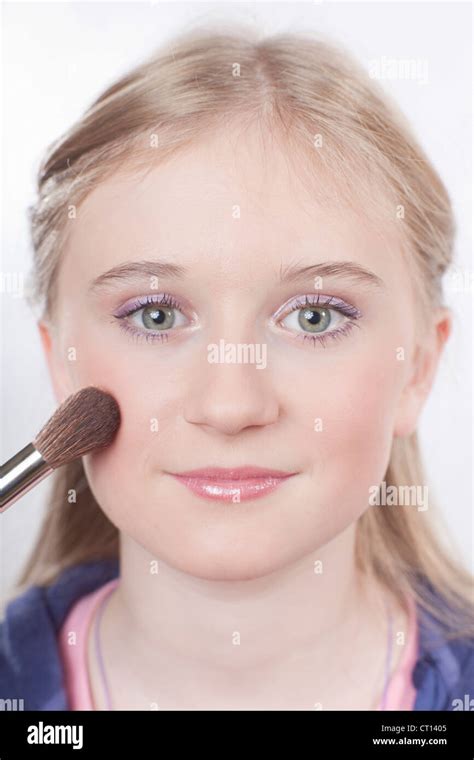
Elegant artistry often involves intricate work that requires precision. Static, wide shots simply won’t suffice. Strategic use of close-ups is vital to showcase fine brushstrokes, product consistency, blending techniques, and the subtle nuances that define elegance. Furthermore, incorporating multi-angle shots allows viewers to grasp the technique from various vantage points. For instance, demonstrating a specific eyeliner flick might benefit from a front-facing shot, a side profile, and even an overhead view to illustrate the angle and pressure applied. These varied perspectives provide a comprehensive understanding that a single camera angle cannot.
Strategic Graphics and Informative Text Overlays
While visual demonstration is key, enhancing it with well-placed graphics and text overlays can significantly boost comprehension and retention. On-screen text can highlight product names, ingredient lists, specific tool types, or crucial tips that might be easily missed in verbal narration alone. Animated graphics can be used to emphasize key steps, break down complex processes into simpler visual chunks, or illustrate abstract concepts like color theory. These elements serve as visual aids, reinforcing the verbal instructions and catering to different learning styles, ensuring no crucial information is lost.
Pacing, Seamless Editing, and Engaging Transitions
The rhythm and flow of a tutorial are just as important as its individual visual components. Effective editing ensures that the tutorial is well-paced – not too fast to follow, nor too slow to bore. Smooth, logical transitions between different shots or segments maintain viewer engagement and prevent jarring visual breaks. Concise editing means cutting out unnecessary pauses or repetitions, getting straight to the point while maintaining clarity. Incorporating visual cues for pauses or changes, like title cards for new sections or elegant wipes, can also add to the professional and engaging feel of the content.
The Art of Color Grading and Aesthetic Cohesion
An often-underestimated visual technique is color grading. Consistent and aesthetically pleasing color grading throughout a tutorial, and indeed across a series, contributes immensely to the overall elegance and brand identity. It can evoke a specific mood, enhance skin tones, and ensure product colors are accurately represented. A cohesive visual style, from the color palette used in graphics to the overall brightness and contrast, creates a professional and polished viewing experience. This attention to detail reinforces the ‘elegant’ aspect of the artistry being taught, building trust and familiarity with the creator’s brand.

Elevating the Artistry Learning Experience
Ultimately, enhancing engagement in elegant artistry tutorials boils down to thoughtful consideration of every visual element. By investing in high-quality cinematography, utilizing close-ups and multiple angles, strategically implementing graphics, refining pacing through seamless editing, and maintaining aesthetic cohesion with careful color grading, creators can transform a simple demonstration into a rich, immersive, and highly effective learning experience. These techniques not only captivate the audience but also empower them to master the artistry with greater confidence and inspiration.