


What workshop methods ensure lasting skill mastery for defined artistry?
The Challenge of Lasting Skill Mastery in Makeup Artistry
In the dynamic world of makeup artistry, workshops are invaluable for learning new techniques and refining existing skills. However, the true measure of a workshop’s success lies not just in the immediate ‘aha!’ moments, but in its ability to foster lasting skill mastery – ensuring artists can consistently apply refined techniques to defined artistic visions long after the class concludes. This requires a strategic approach to workshop design and delivery, moving beyond simple demonstrations to truly embed knowledge and capability.
Core Workshop Methods for Enduring Proficiency
Intensive Hands-On Practice with Deliberate Repetition
Passive observation falls short of true mastery. Workshops must prioritize extensive hands-on practice, allowing participants to immediately apply new theories and techniques. This isn’t just about trying it once; it’s about deliberate repetition under expert guidance. Repetition builds muscle memory, refines precision, and helps artists internalize complex movements, transforming new knowledge into intuitive skill. Providing diverse face shapes and skin types for practice further solidifies adaptability and problem-solving.
Personalized, Constructive Feedback and Coaching
Generic praise or criticism is unhelpful for skill development. Effective workshops integrate personalized, constructive feedback from expert instructors. This involves direct observation of participants’ work, identifying specific areas for improvement, and offering actionable advice. One-on-one coaching moments, where instructors demonstrate corrections or provide alternative approaches, are crucial for targeted skill refinement and addressing individual learning curves.
Deconstructing “Why” Behind the “How”
True mastery goes beyond merely copying a look; it involves understanding the underlying principles. Workshops should delve into the “why” behind specific techniques – why certain brushes are chosen, why particular color theories are applied, or why specific light sources are preferred. Understanding these foundational concepts empowers artists to adapt techniques creatively and solve unexpected challenges, rather than rigidly adhering to learned steps. This conceptual understanding is key to developing unique artistic vision.

Progressive Curriculum and Scaffolding
Skills are best built in layers. A well-structured workshop curriculum introduces concepts progressively, starting with fundamentals and gradually building towards more complex techniques. This scaffolding approach ensures that learners have a solid foundation before tackling advanced artistry. Each lesson should reinforce previous learning while introducing new elements, preventing overwhelm and promoting a steady growth trajectory.
Peer Learning, Collaboration, and Critique
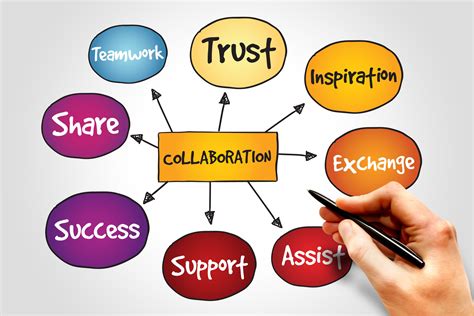
The learning environment extends beyond the instructor. Encouraging peer interaction, collaborative projects, and constructive group critiques provides diverse perspectives and fosters a supportive community. Observing how others interpret and execute techniques, and articulating feedback to peers, strengthens one’s own critical eye and problem-solving abilities. This shared experience often reveals multiple paths to achieving a defined artistic outcome, enriching the learning journey.
Integrated Post-Workshop Support and Community
The learning shouldn’t stop when the workshop ends. To ensure lasting mastery, effective workshops often integrate post-workshop support mechanisms. This might include access to an online community forum, follow-up Q&A sessions, curated resource lists, or even mentorship opportunities. Continuous engagement helps reinforce learned skills, allows participants to troubleshoot real-world application issues, and keeps their motivation high, fostering long-term growth.

Real-World Application and Portfolio Integration
For defined artistry, the ultimate goal is professional application. Workshops should include elements that bridge the gap between classroom learning and real-world scenarios. This could involve mock photoshoots, client consultations simulations, or discussions on building a professional portfolio that showcases the newly acquired skills. Encouraging participants to immediately apply techniques to personal projects or client work is paramount for embedding mastery and building professional confidence.

Conclusion: Investing in Enduring Artistry
Achieving lasting skill mastery in makeup artistry workshops requires a holistic approach that moves beyond simple demonstrations. By combining intensive hands-on practice, personalized feedback, deep theoretical understanding, progressive learning, peer interaction, and continuous support, workshops can transform temporary learning into ingrained, adaptable, and enduring artistic proficiency. For any artist, investing in such comprehensive learning environments is an investment in their long-term creative and professional success, ensuring their skills remain sharp and relevant in a competitive industry.