
What workshop strategies enhance personal makeup artistry for elegant, bespoke looks?

Achieving an elegant, bespoke makeup look is more than just applying products; it’s about understanding your unique features, personal style, and the subtle nuances that create a polished finish. For aspiring makeup artists and beauty enthusiasts alike, workshops offer an invaluable opportunity to refine skills. But what specific strategies within these workshops truly elevate personal artistry to craft those sophisticated, tailor-made looks?
Personalized Assessment and Goal Setting
Effective workshops begin not with a brush, but with a conversation. A crucial strategy involves a one-on-one consultation where instructors assess an individual’s current skill level, understanding of makeup, and most importantly, their personal aesthetic goals. Do they aim for a natural glow, a dramatic evening look, or sophisticated bridal artistry? This initial assessment helps tailor the learning journey, ensuring that the techniques taught are directly relevant to the student’s aspirations for elegant, bespoke looks. It’s about identifying strengths, weaknesses, and defining a clear path for improvement.

Foundational Mastery and Color Theory Deep Dive
No bespoke look can be truly elegant without a strong foundation. Workshops must dedicate significant time to mastering core techniques: flawless skin preparation, correct product application for various skin types, and seamless blending. Beyond mere application, a deep dive into color theory is essential. Understanding undertones, complementary colors, and how light interacts with different pigments allows an artist to choose shades that perfectly harmonize with a client’s complexion and outfit, creating a cohesive and sophisticated aesthetic rather than just a trendy one. This includes lessons on how to correct imperfections subtly and enhance natural beauty without overdoing it.
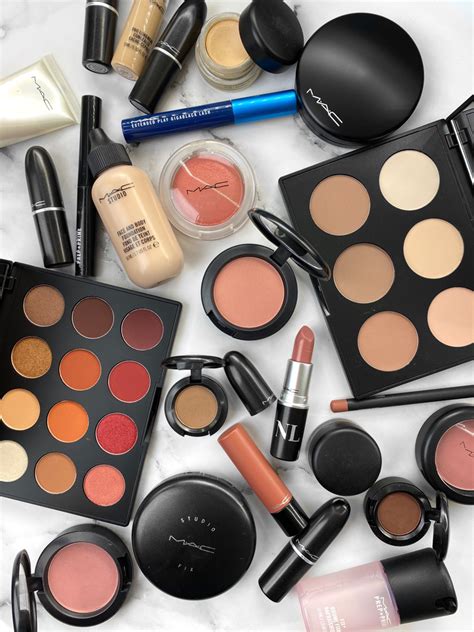
Practical sessions should emphasize the importance of high-quality tools and how to use them effectively. From selecting the right brush for precise application to understanding the hygiene protocols that ensure both safety and optimal product performance, every detail contributes to the overall elegance of the final look. Demonstrations followed by guided practice are key to internalizing these foundational skills, building confidence before moving to more complex applications.
Hands-On Practice with Immediate, Constructive Feedback
Perhaps the most vital strategy in any effective makeup workshop is the provision of ample hands-on practice, coupled with expert, immediate feedback. Students should be encouraged to apply techniques on themselves or models, allowing instructors to observe their process in real-time. This isn’t just about pointing out mistakes; it’s about guiding students through corrections, explaining the ‘why’ behind each adjustment, and demonstrating alternative methods. This iterative process of ‘try, review, refine’ is invaluable for developing muscle memory and a keen eye for detail, which are paramount for achieving bespoke looks that are both elegant and flawless.
Feedback should be specific, actionable, and delivered in a supportive environment, focusing on enhancing the student’s unique style rather than imposing a single aesthetic. This empowers individuals to develop their own artistic voice while adhering to principles of elegance and precision.

Advanced Techniques and Feature Enhancement
Once foundational skills are solid, workshops should progress to more advanced strategies for creating bespoke elegance. This includes mastering sophisticated contouring and highlighting techniques tailored to different face shapes, understanding how to adapt eye makeup for various eye anatomies, and precision lip shaping. The focus here is not on drastic transformations but on subtle enhancements that bring out an individual’s best features in a refined manner. Learning how to identify and play up unique characteristics is at the heart of bespoke artistry.
Specialized modules on event-specific makeup (e.g., bridal, red carpet, editorial) can also be incorporated, demonstrating how to maintain elegance and bespoke quality under different circumstances and and lighting conditions. This expands the artist’s repertoire, allowing them to confidently address a wider range of client needs.
Building a Personal Makeup Artistry Portfolio and Style Guide
A truly enhancing workshop culminates in helping participants build a personal reference system. This involves creating a personalized ‘face chart’ or style guide for themselves, detailing the products, tools, and techniques that work best for their features and desired elegant looks. Photo documentation of their work throughout the workshop, both before and after applying different techniques, provides a visual record of their progress and allows for critical self-analysis. This portfolio becomes an invaluable tool for future self-practice and for showcasing their evolved skills. Understanding how to capture and present their work professionally is also a key takeaway for aspiring professionals.

Conclusion
Workshops that prioritize personalized assessment, foundational mastery, consistent hands-on practice with feedback, and advanced feature-specific techniques are instrumental in elevating personal makeup artistry. By fostering a deep understanding of both products and individual characteristics, these strategies empower participants to move beyond mere imitation, enabling them to craft truly elegant, bespoke looks that reflect a unique and sophisticated personal style. Investing in such comprehensive learning environments is the cornerstone of evolving into a masterful makeup artist.