


What workshop strategies ensure elegant artistry transfer to *my* features?

Many aspiring makeup artists and beauty enthusiasts attend workshops hoping to master techniques, only to find that generic demonstrations don’t quite translate to their unique facial structure, skin type, or eye shape. The true measure of a successful makeup workshop lies in its ability to facilitate elegant artistry transfer to *your* individual features. This requires a strategic approach focused on personalization and direct application.
Understanding Your Unique Canvas: The First Step to Artistry Transfer
The foundation of elegant artistry lies in understanding and working with your distinct features. Generic tutorials, while informative, often fail to address the nuances of individual facial anatomy. For instance, a contouring technique perfect for one face shape might not flatter another. Effective workshops begin by acknowledging this diversity, shifting focus from a ‘one-size-fits-all’ model to a deeply personalized learning experience.
Workshops should encourage participants to identify their unique features – from the subtle curve of an eyelid to the natural asymmetry of a brow. This self-assessment, guided by expert instructors, forms the crucial bedrock for learning techniques that truly enhance your personal beauty, rather than attempting to replicate a look that might not suit you.
Key Workshop Strategies for Tailored Learning
Pre-Workshop Feature Analysis
An ideal workshop starts even before you pick up a brush. Comprehensive pre-workshop assessments, often involving detailed questionnaires, photo submissions, or even a brief virtual consultation, allow instructors to understand each participant’s features, skin concerns, and beauty goals. This valuable information enables the instructor to tailor demonstrations and advice, ensuring relevance to everyone present.
Small Group & One-on-One Mentorship
The ability to receive individualized attention is paramount. Workshops with smaller participant-to-instructor ratios or dedicated one-on-one sessions ensure that you’re not just observing, but actively engaging with the material in a way that directly applies to you. An instructor can then provide customized demonstrations, adapting a technique specifically for your eye shape, lip structure, or face geometry.
This direct interaction allows for questions unique to your challenges and immediate feedback on your application, a critical component for mastery.

Hands-On Application & Real-Time Refinement
Guided Practice on *Your* Face
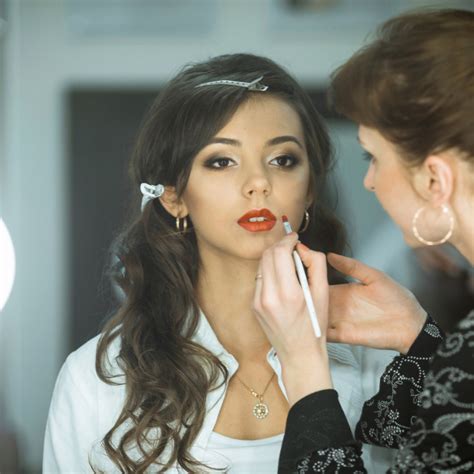
Learning makeup is a kinesthetic process. The most effective workshops prioritize hands-on practice where you apply the techniques on yourself, using your own tools and products (or recommended ones suitable for you), under the watchful eye of an expert. This isn’t about the instructor doing your makeup; it’s about you mastering the application for your own features.
Immediate, Constructive Feedback
As you practice, real-time feedback from the instructor is invaluable. This feedback should be specific, explaining why a certain brush stroke might be more effective for your eye shape, or how to blend foundation seamlessly with your skin texture. This iterative process of application and refinement helps embed the correct techniques into your muscle memory, ensuring they become intuitive for your features.

Mastering Feature-Specific Techniques
Deconstructing Techniques for Different Features
A truly effective workshop doesn’t just show ‘how to do a smoky eye’; it teaches ‘how to do a smoky eye for hooded lids,’ ‘for downturned eyes,’ or ‘for close-set eyes.’ Strategies should include breaking down universal techniques and adapting them for diverse facial features, enabling participants to understand the underlying principles and apply them flexibly to their own unique canvas.
Product & Tool Personalization
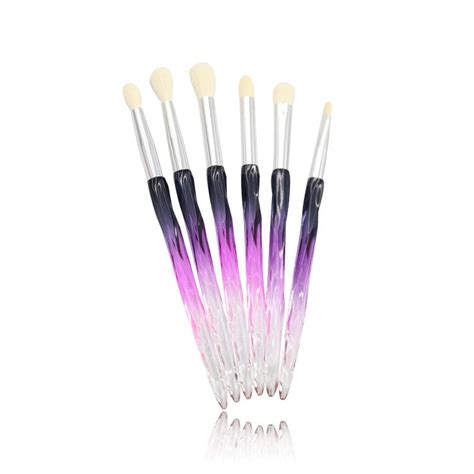
Beyond technique, selecting the right products and tools is crucial. Workshops should offer guidance on choosing shades, textures, and formulas that complement your skin tone, type, and specific features. Similarly, advice on selecting brushes and applicators optimized for the precision needed for your features can significantly improve artistry transfer.
Post-Workshop Reinforcement & Practice
Take-Home Resources & Practice Plans
Learning doesn’t end when the workshop does. Providing personalized face charts, written notes on discussed techniques, product recommendations tailored to the individual, or access to follow-up videos can significantly aid in retention and continued practice. These resources serve as a customized reference, allowing you to revisit and perfect techniques at your own pace.
Encouraging participants to create a personal practice schedule, focusing on specific techniques learned, ensures that the artistry isn’t just transferred during the workshop but becomes a sustainable skill.
Conclusion
To ensure elegant artistry transfer to your unique features, seek out makeup workshops that prioritize personalization, provide ample hands-on practice with direct feedback, and offer strategies for adapting universal techniques to individual needs. By choosing workshops designed with these principles in mind, you can confidently translate expert guidance into a beautiful, bespoke makeup routine that truly celebrates and enhances your unique features.