


What workshop techniques best ensure elegant, personalized artistry beyond basic replication?

Elevating Makeup Artistry: Techniques for Personalized Expression
In the vibrant world of makeup artistry, moving beyond the mere replication of popular looks to cultivate truly elegant and personalized styles is the hallmark of a master. For workshop instructors, the challenge lies in designing curricula that inspire this deeper level of creativity and skill. How can we ensure participants not only learn techniques but also develop their unique artistic voice? It requires a shift from prescriptive teaching to a facilitative approach that prioritizes individual understanding, experimentation, and refinement.
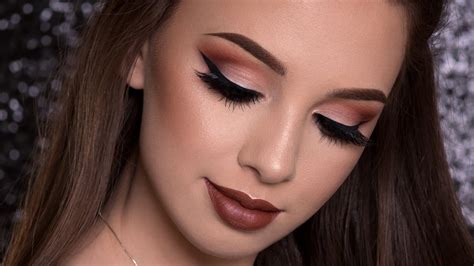
Understanding the Canvas: The Foundation of Personalization
The first step towards personalized artistry is a profound understanding of the individual “canvas.” Workshops must move beyond generic advice to embrace detailed analysis. This includes:
- In-depth Skin Analysis: Teaching participants to assess skin type, undertone, texture, and concerns, ensuring product selection and application are perfectly suited.
- Facial Anatomy & Feature Emphasis: Guiding students to understand face shapes, eye structures, lip contours, and how to use makeup to enhance, balance, or subtly alter features in a way that flatters the individual.
- Personalized Color Theory: Exploring how different color temperatures and intensities interact with various skin tones, hair colors, and eye colors, moving beyond simple warm/cool categories.
Techniques like one-on-one consultations, interactive diagnostic exercises, and comparative swatching sessions are crucial for building this foundational knowledge.

Fostering Creative Exploration and Deconstruction
To break free from replication, workshops need to actively cultivate creative thinking. This isn’t about teaching specific looks, but about teaching how to create looks. Key strategies include:
- Deconstructing Inspiration: Instead of copying a celebrity look directly, teach students to analyze why a certain element works (e.g., the placement of a highlight, the blending technique of an eyeshadow). This allows them to adapt principles rather than replicate outcomes.
- Structured Experimentation: Provide specific “challenges” or “prompts” that encourage creative problem-solving. For instance, “Create a look using only three colors, focusing on texture,” or “Develop an evening look that transitions seamlessly from a daytime aesthetic.”
- Mood Board & Concept Development: Guide participants through creating visual mood boards and developing a clear concept or story behind a makeup look before application, linking makeup to broader artistic expression.
Freestyle sessions with specific guidelines, followed by group critiques, can be incredibly effective.
Mastering Techniques for Adaptive Application
Personalized artistry demands not just knowledge of techniques, but the ability to adapt them. Workshops should focus on:
- Advanced Blending and Layering: Deep dives into seamless transitions, multi-product layering for dimension, and understanding how different formulas interact.
- Texture Play: Exploring matte, satin, shimmer, glitter, and wet-look textures and how to combine them thoughtfully to create interest and sophistication.
- Precision and Control: Emphasizing brush control, product pickup, and intricate detailing that allows for nuanced application tailored to unique features (e.g., adapting eyeliner for hooded eyes, contouring for diverse bone structures).
Live demonstrations followed by extensive hands-on practice, coupled with individualized feedback from instructors, are paramount here. Encouraging participants to document their process and progress also reinforces learning.

Cultivating the Signature Style: Refinement and Feedback
The journey to personalized artistry culminates in developing a distinct signature style, whether for oneself or for clients. Workshops can facilitate this through:
- Guided Self-Critique: Teaching participants how to objectively evaluate their own work against artistic principles and the desired outcome, rather than just technical perfection.
- Peer-to-Peer Feedback: Structuring sessions where students provide constructive criticism to each other, fostering a collaborative learning environment and diversifying perspectives.
- Portfolio Development & Artistic Vision: Encouraging participants to build a portfolio that showcases their unique perspective and evolving aesthetic, guiding them in articulating their artistic vision.
Ultimately, a workshop that ensures elegant, personalized artistry is one that empowers, not dictates. It equips participants with a deep understanding of principles, a toolkit of adaptable techniques, and the confidence to explore and express their unique vision, transforming them from replicators into true artists.